AI Fashion Imagery, Guided by Craft and Creative Alchemy
From Mannequin to Living Garment
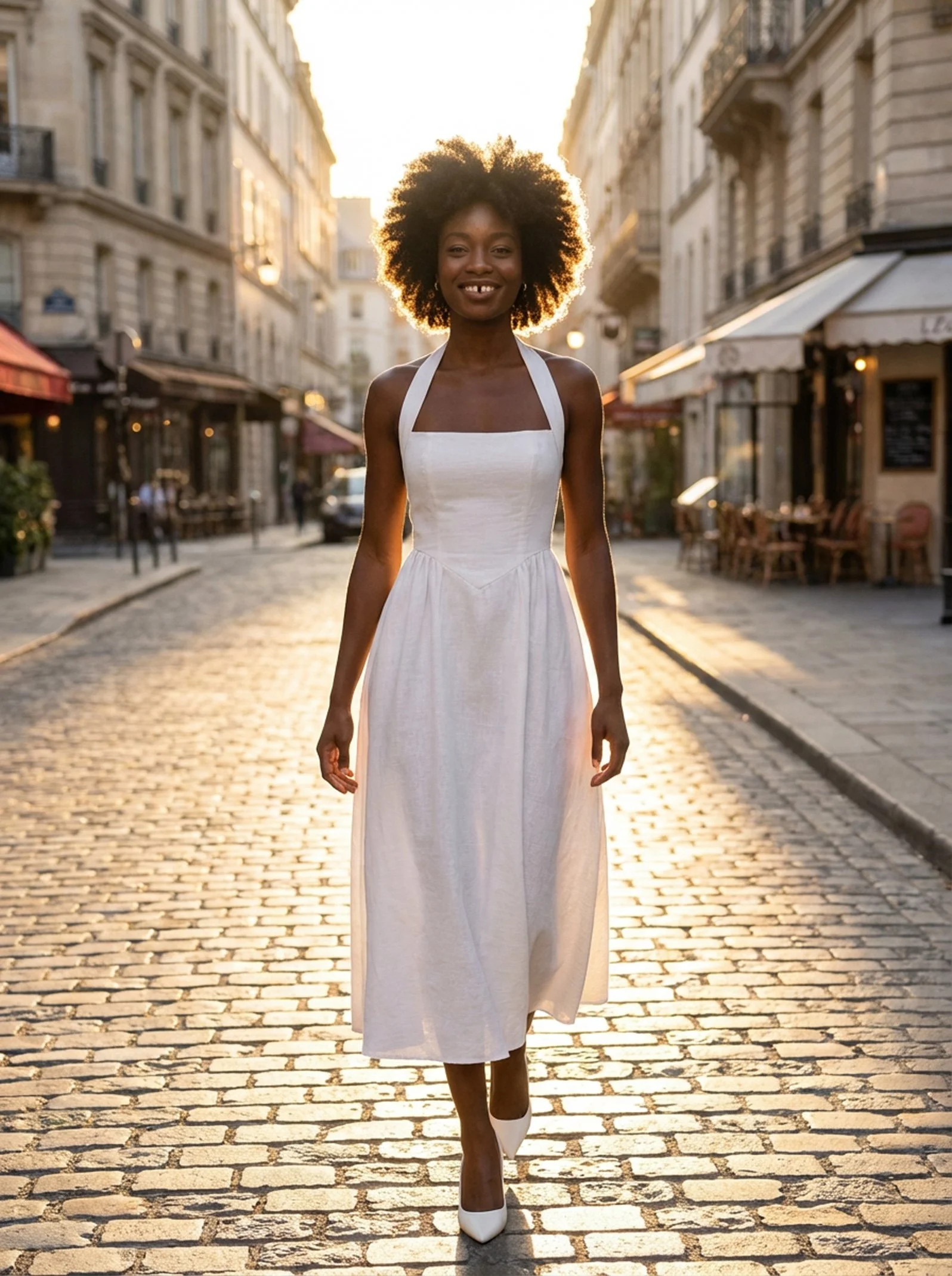
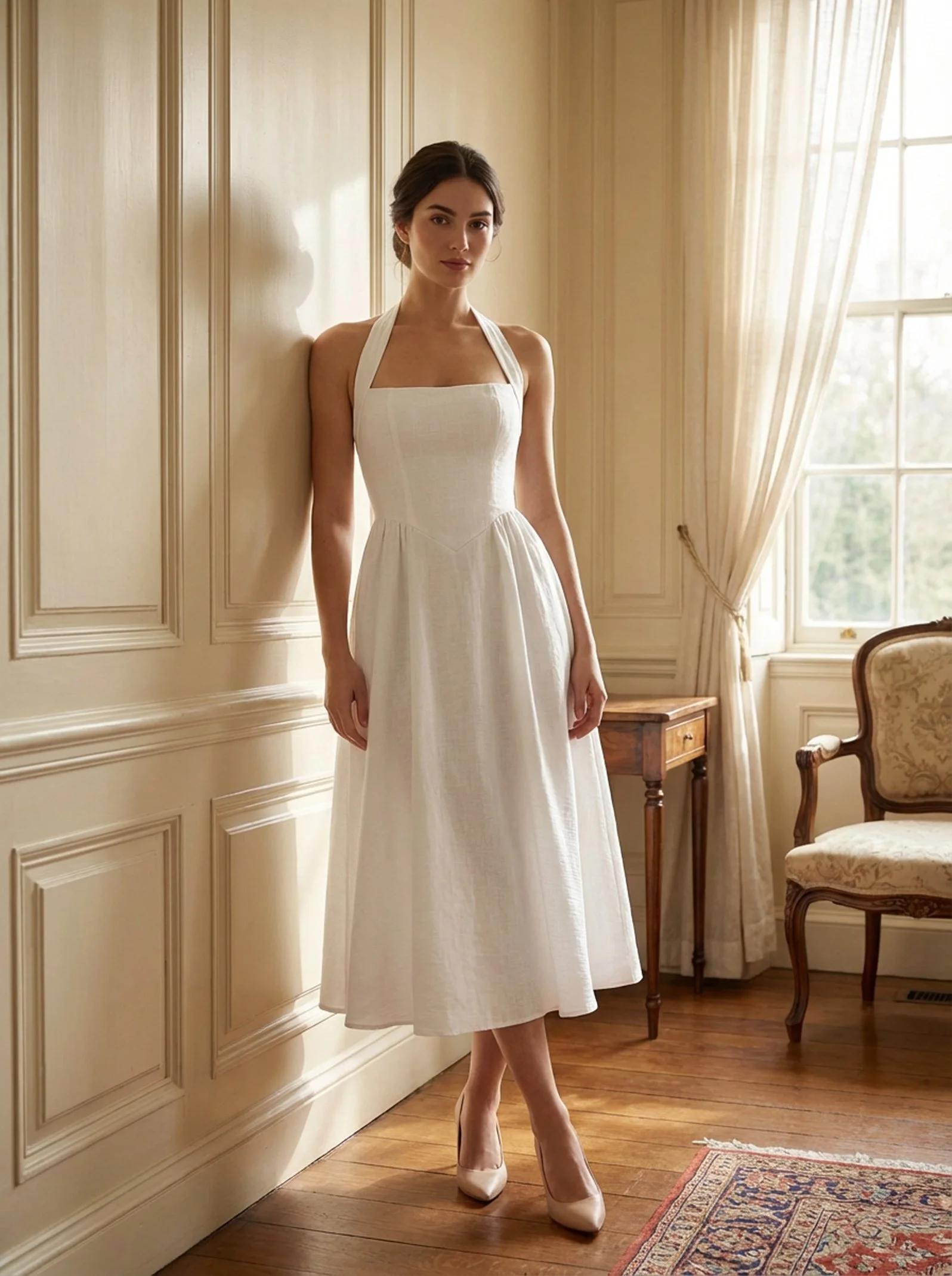
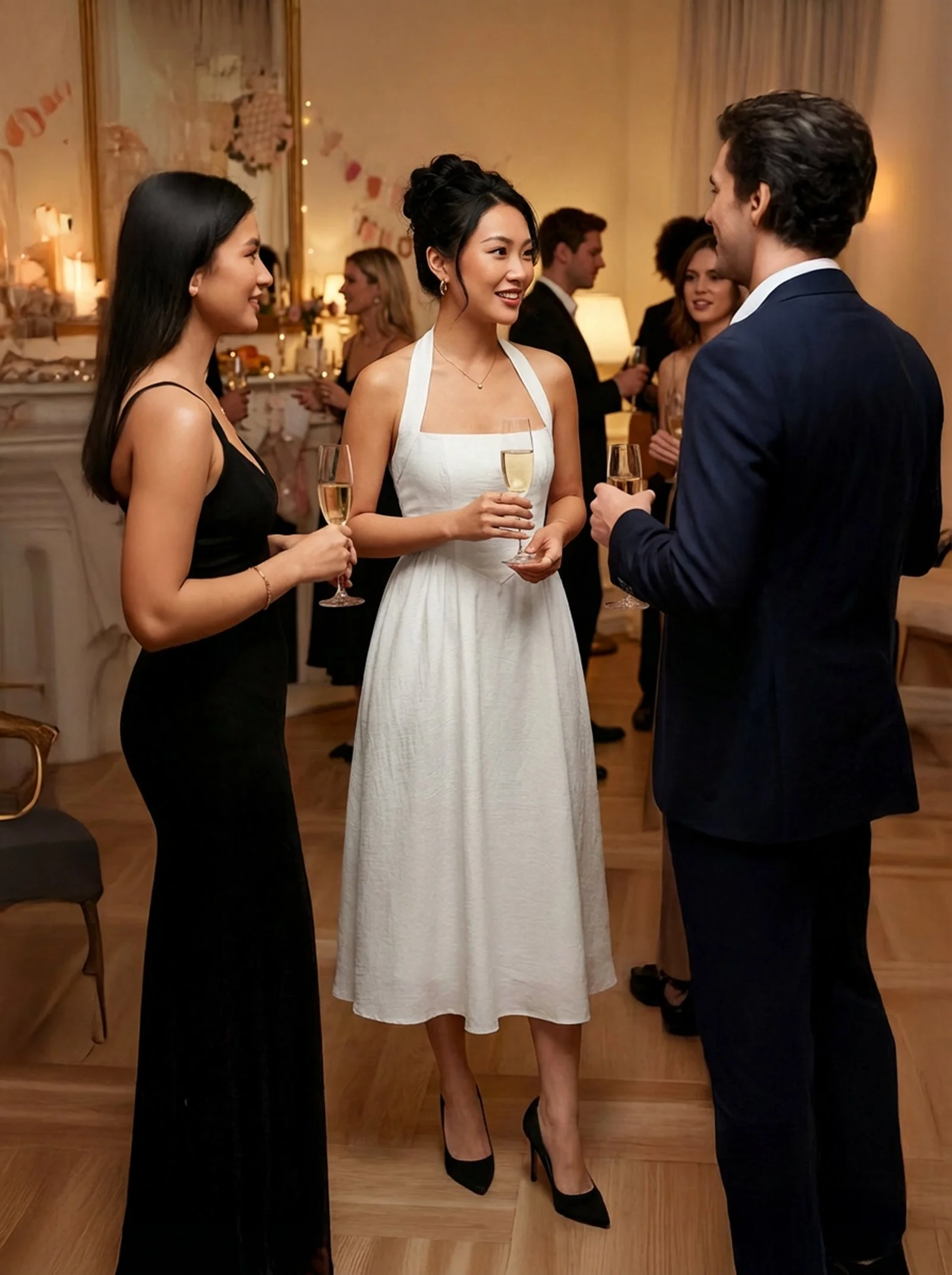
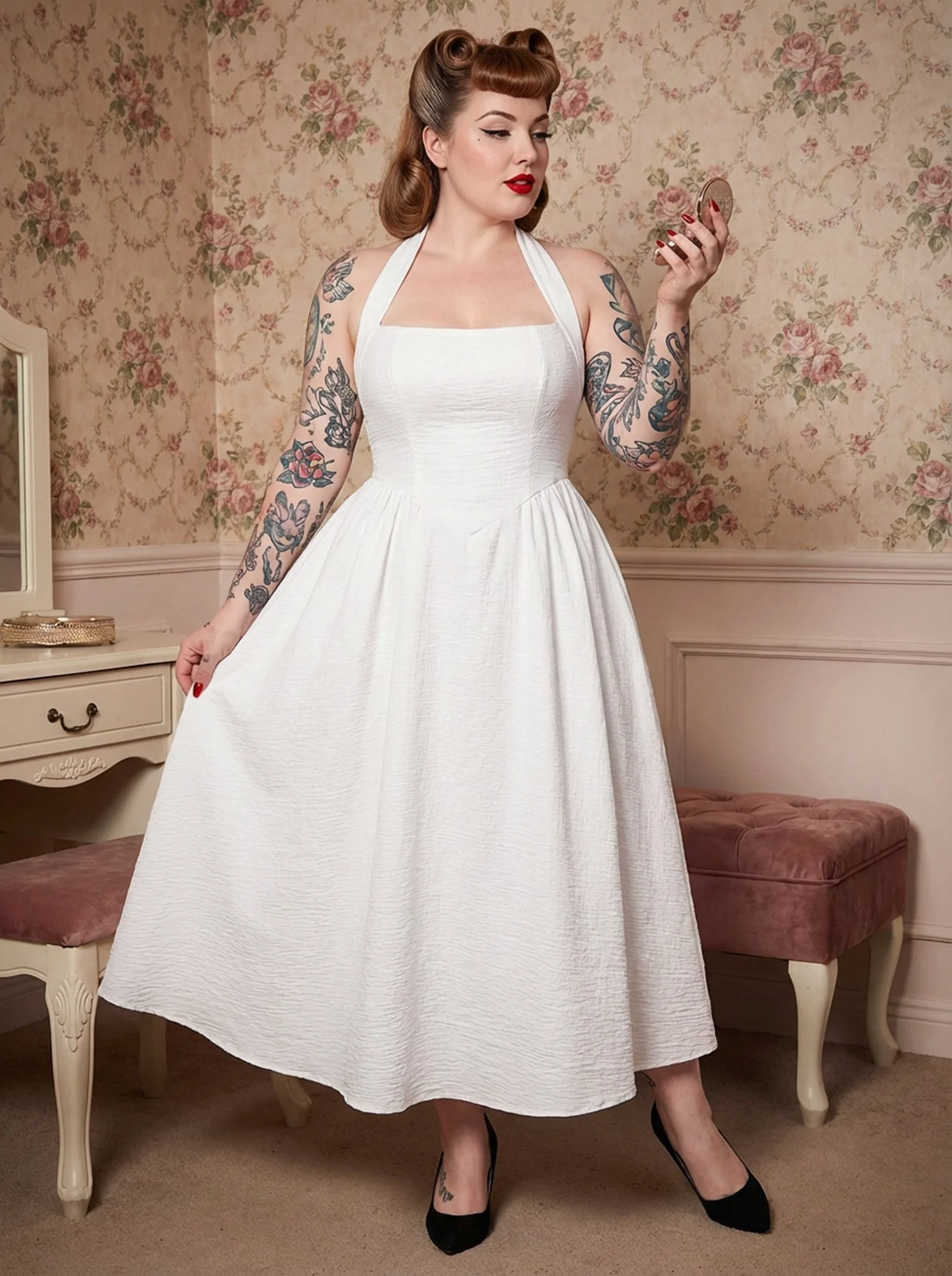
Every project starts with a real piece of clothing. Most of the time, that means the garment is photographed on a mannequin or a model. These images give us the important information — how the item is cut, how it hangs, where the seams sit, and how the fabric behaves. From there, AI is used to help bring the clothing to life, making it look naturally worn by different people, in different situations, without losing realism or accuracy.
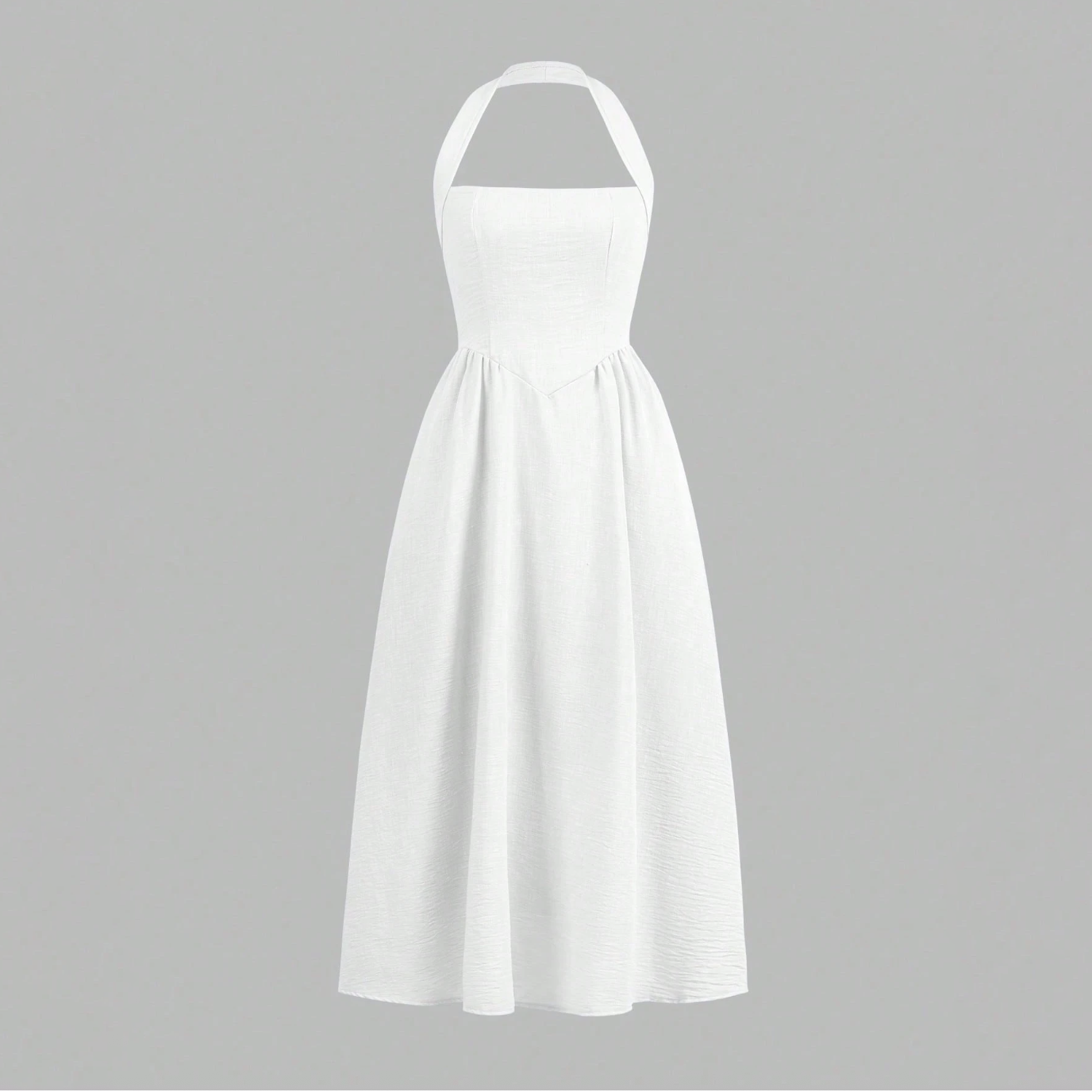
Every image you see below began as one plain background mannequin photo
-
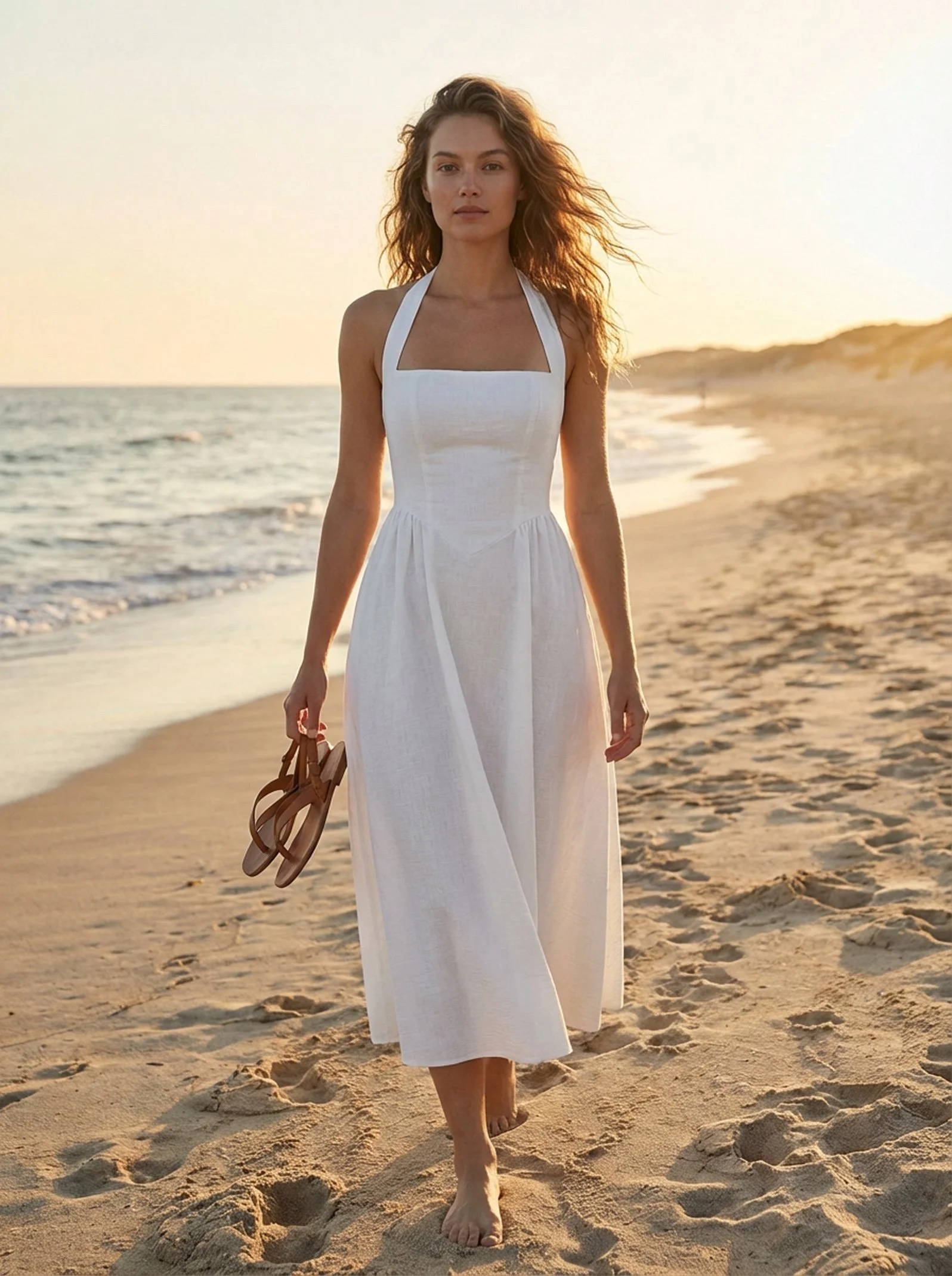
Mannequin photography is practical and cost-effective, but on its own it can feel stiff or lifeless. With a carefully guided AI process, a dress shot on a mannequin can be transformed so it looks as though it’s being worn by a real person.
That means believable posture, natural fabric tension, and a sense of movement that feels right. The aim isn’t to create something flashy or exaggerated — it’s to make the image feel quietly convincing.
This isn’t a one-click solution. Each image is shaped by an understanding of how clothes actually sit on the body. We pay close attention to how fabric folds, where it pulls, how it drapes at the shoulders or waist, and how it reacts to different poses. If those details aren’t right, the image doesn’t work.
-
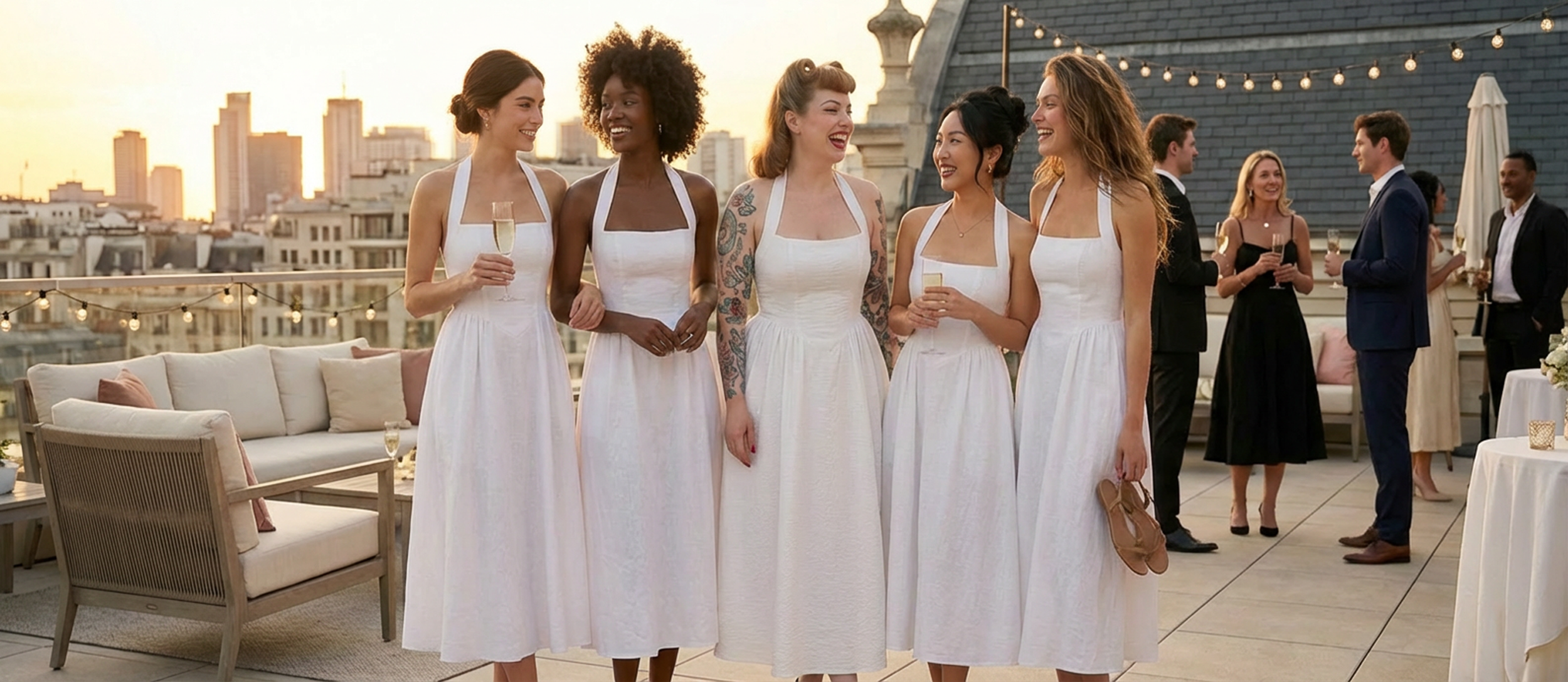
Using AI in this way makes it possible to show the same garment on different models — different sizes, proportions, and appearances — without needing multiple photoshoots.
Each version is handled individually. Body shape, scale, posture, and styling are adjusted so the clothing behaves as it should on every person. The garment stays consistent in fit and detail, while the model changes around it. This makes it easier to create more inclusive and representative imagery without losing quality or control.
-
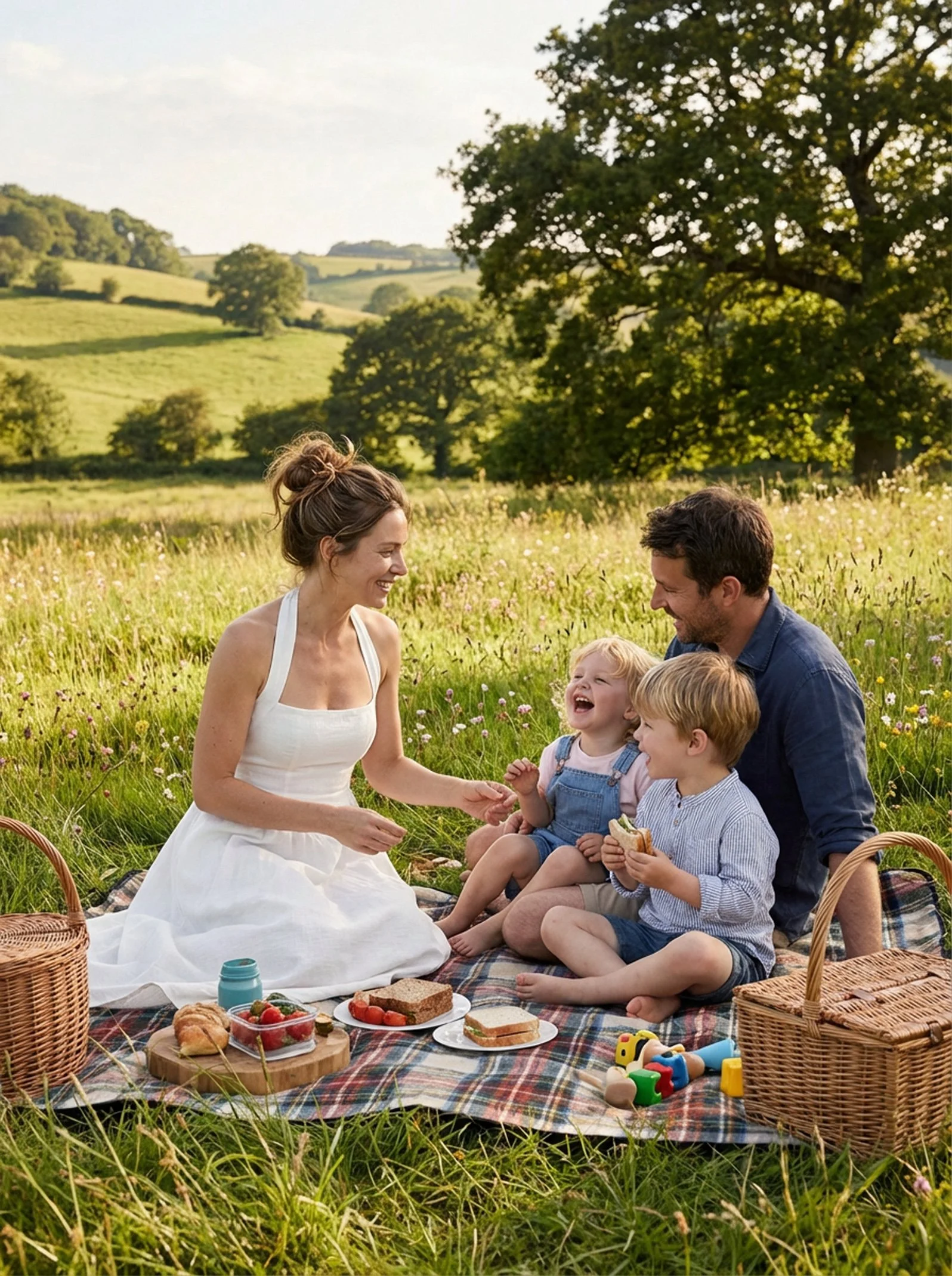
AI can also be used to move beyond the studio. Clean, simple images can be reworked into lifestyle scenes, editorial-style visuals, or more contextual settings that help people imagine how the clothing might look in real life.
Lighting, mood, and perspective are always matched carefully so the garment feels like it belongs in the scene. These choices aren’t automated — they come from experience and an understanding of what looks natural and on-brand.
-
This process is flexible. We can work with images we photograph ourselves, or with existing photos you already have. As long as the garment is clear and well shown, there’s often far more that can be done with it than you might expect.
Even fairly simple or imperfect starting images can be refined into polished, high-end visuals when handled properly. The quality of the final image comes from how the technology is guided, adjusted, and refined — not from the AI alone.
-
The end result is fashion imagery that feels real, considered, and intentional. AI helps open up new possibilities, but it’s the human eye, experience, and creative judgement behind it that turn a starting image into something that truly works.