
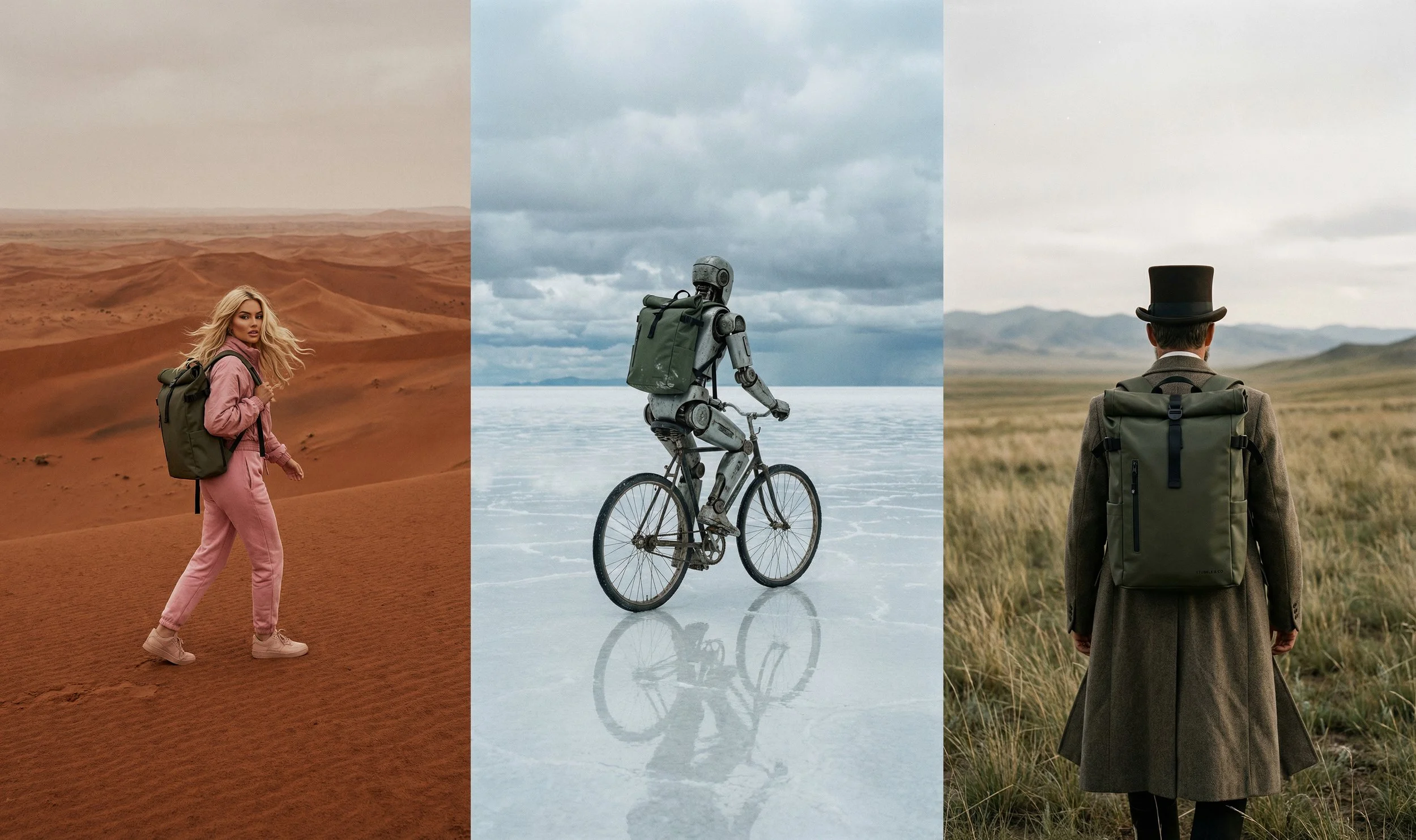
Shot once. Placed anywhere. Crafted to feel real.
Starting With a Real Product
Every image starts with a real product. Most often, this is a straightforward studio photograph on a white or neutral background. These types of images are perfect for AI-assisted compositing because they clearly show the product’s shape, materials, and details.
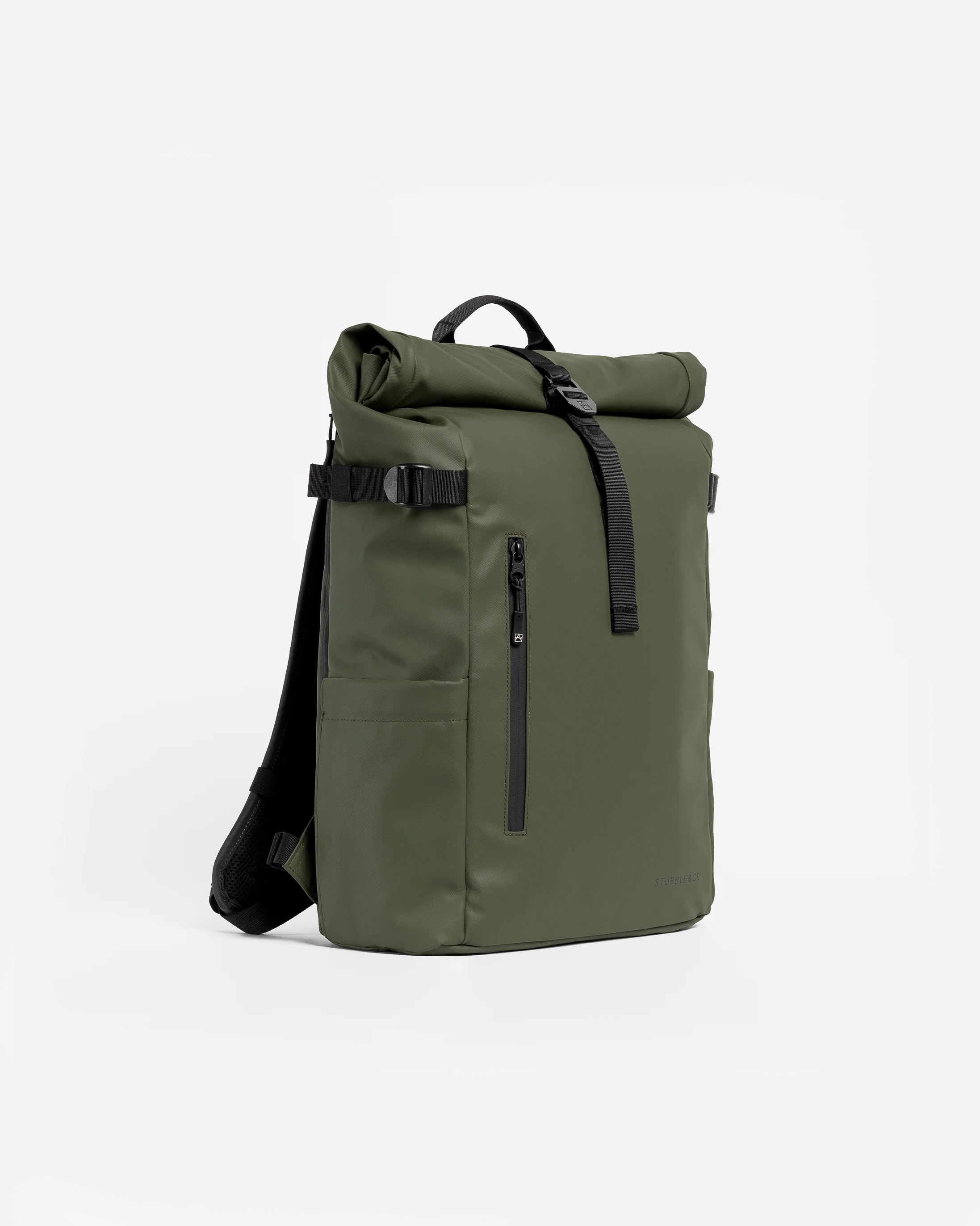
We can photograph the product ourselves, or you can supply high-quality images you already have. As long as the product is well lit, sharp, and photographed from sensible angles, it can usually be placed into a wide range of scenes.
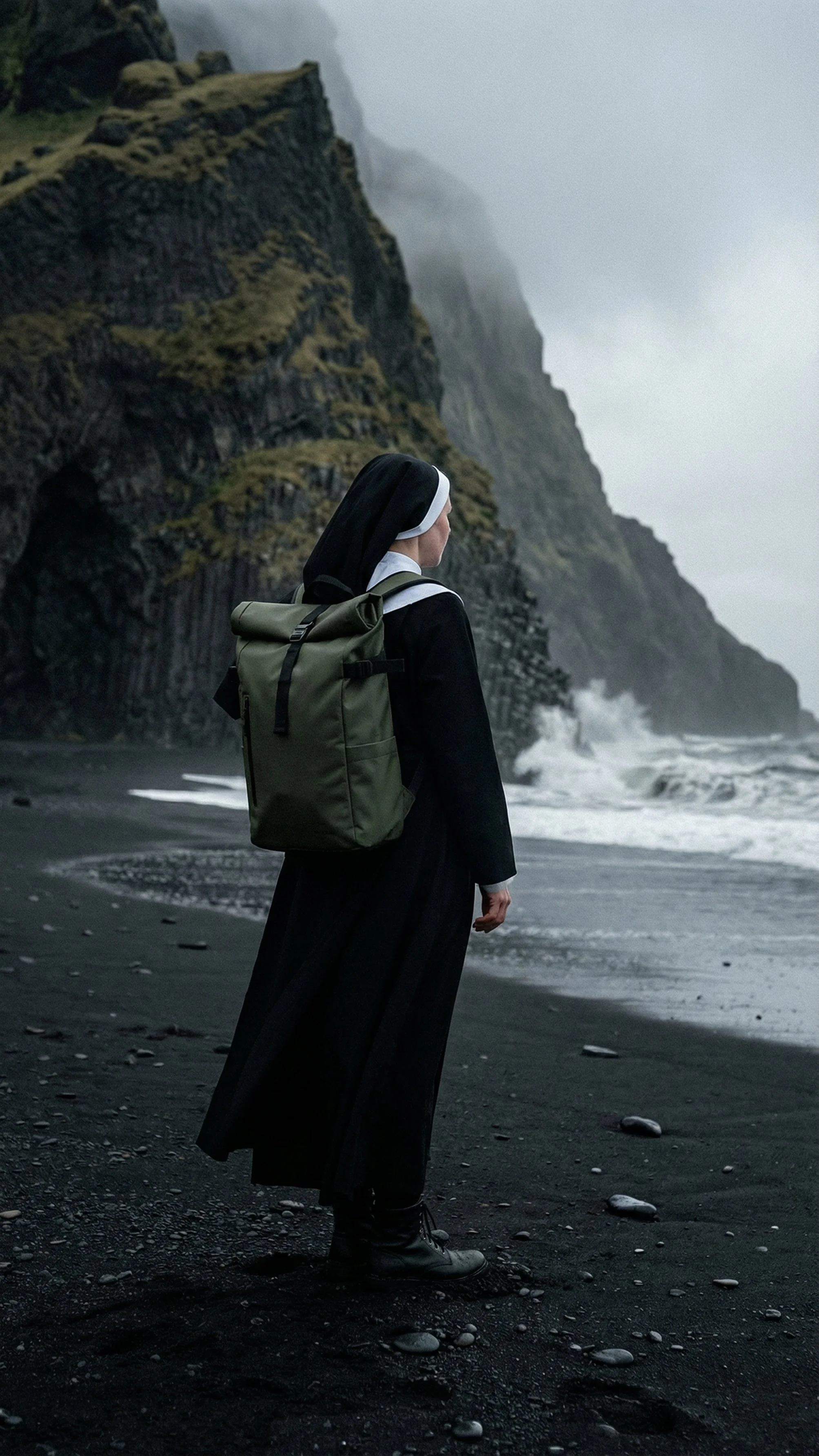
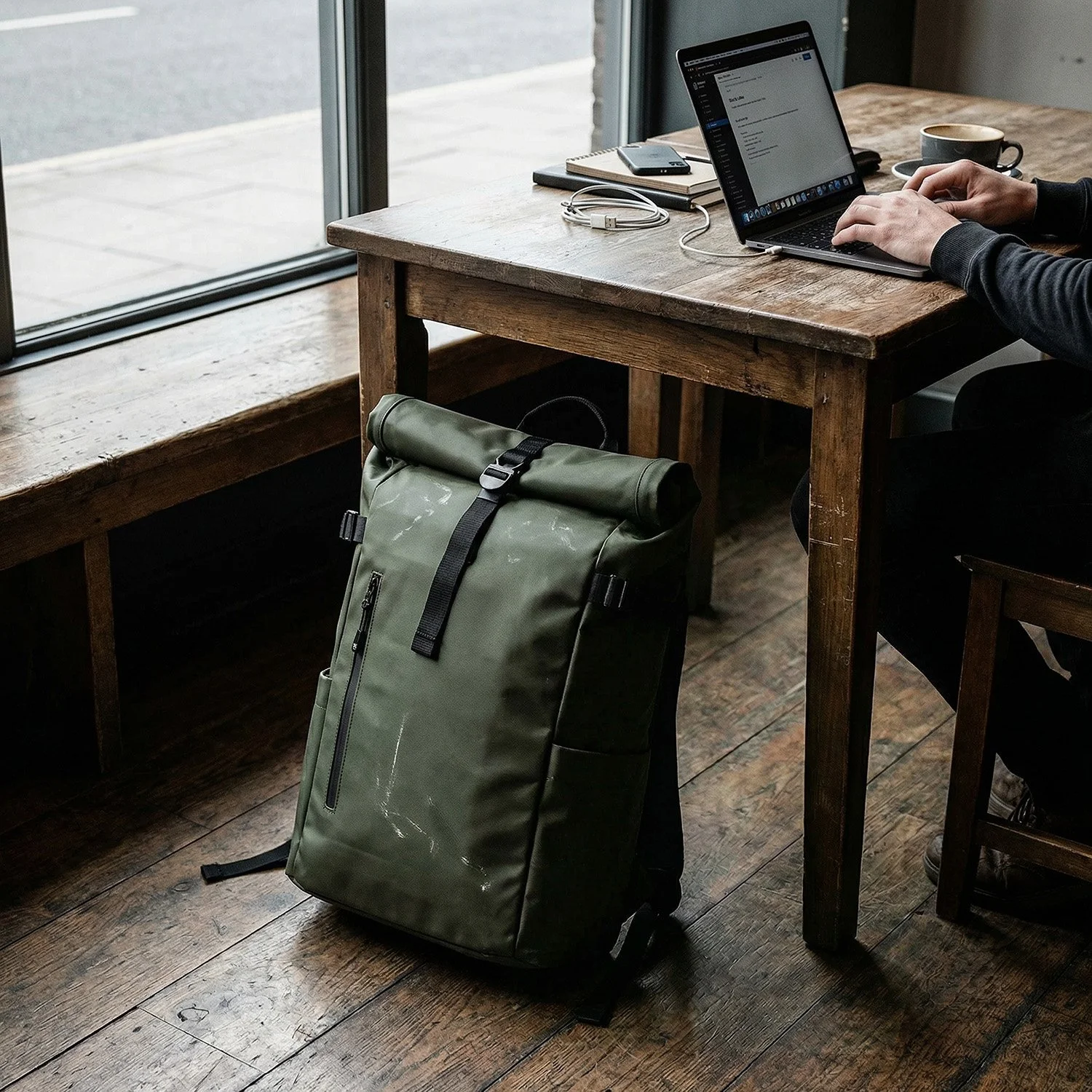
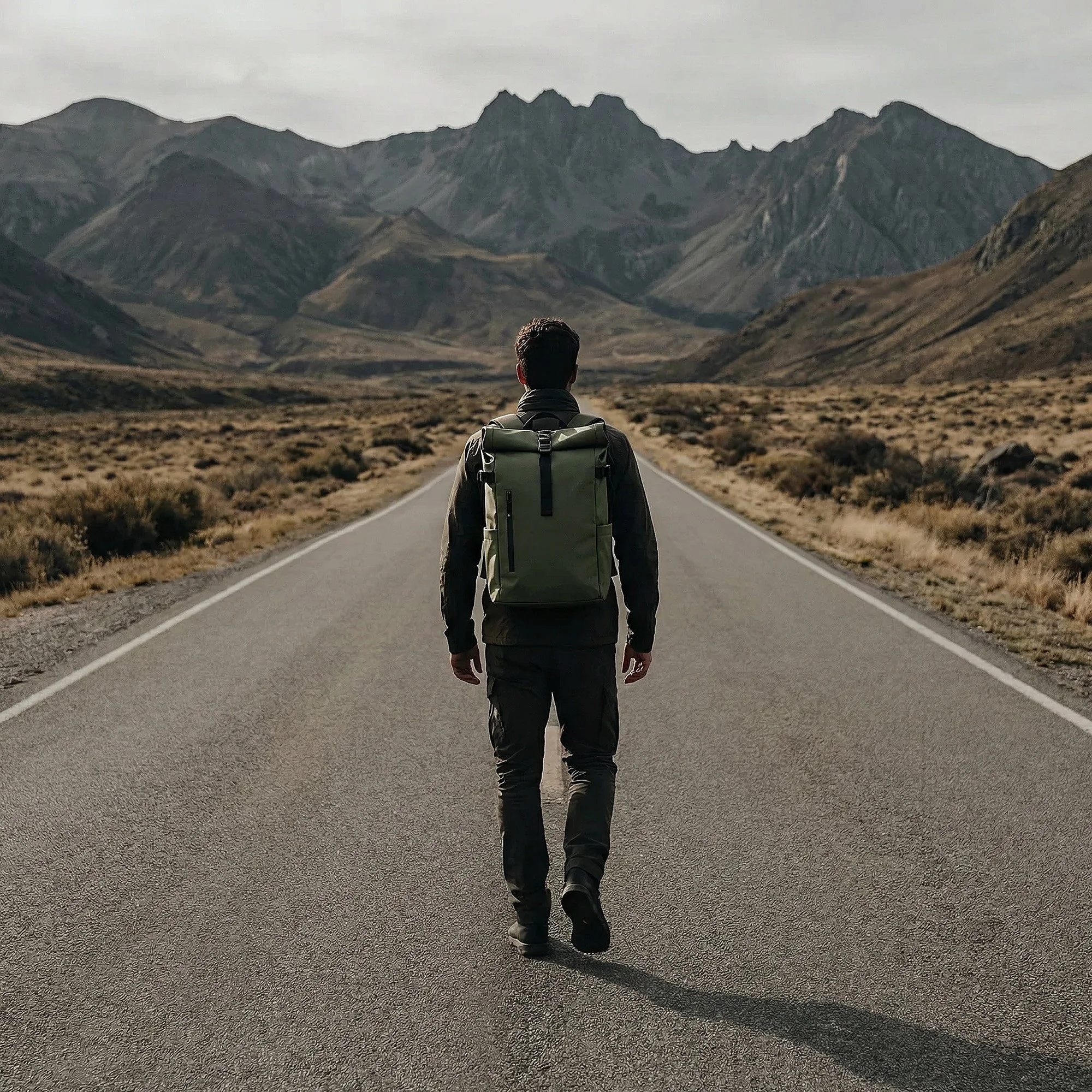
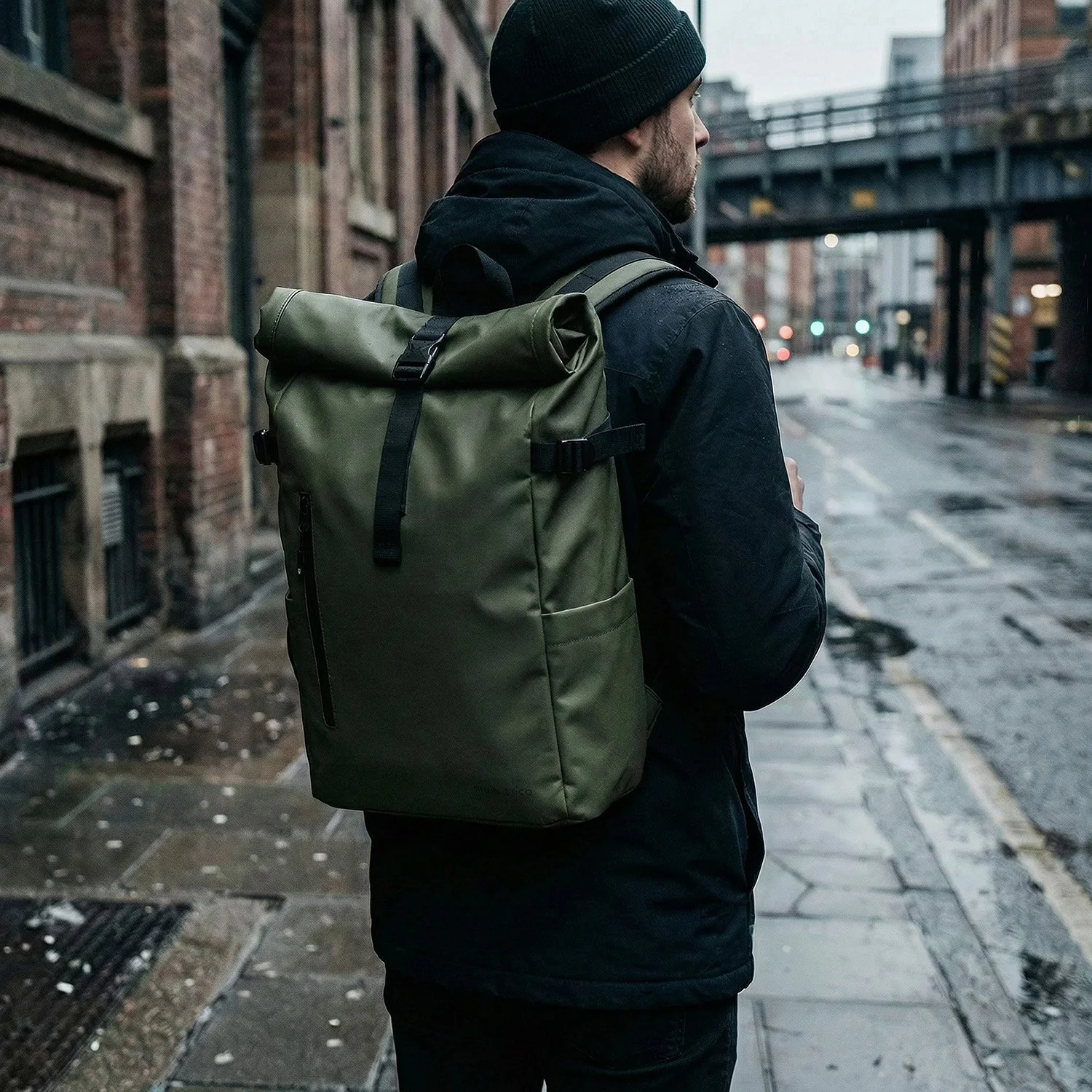
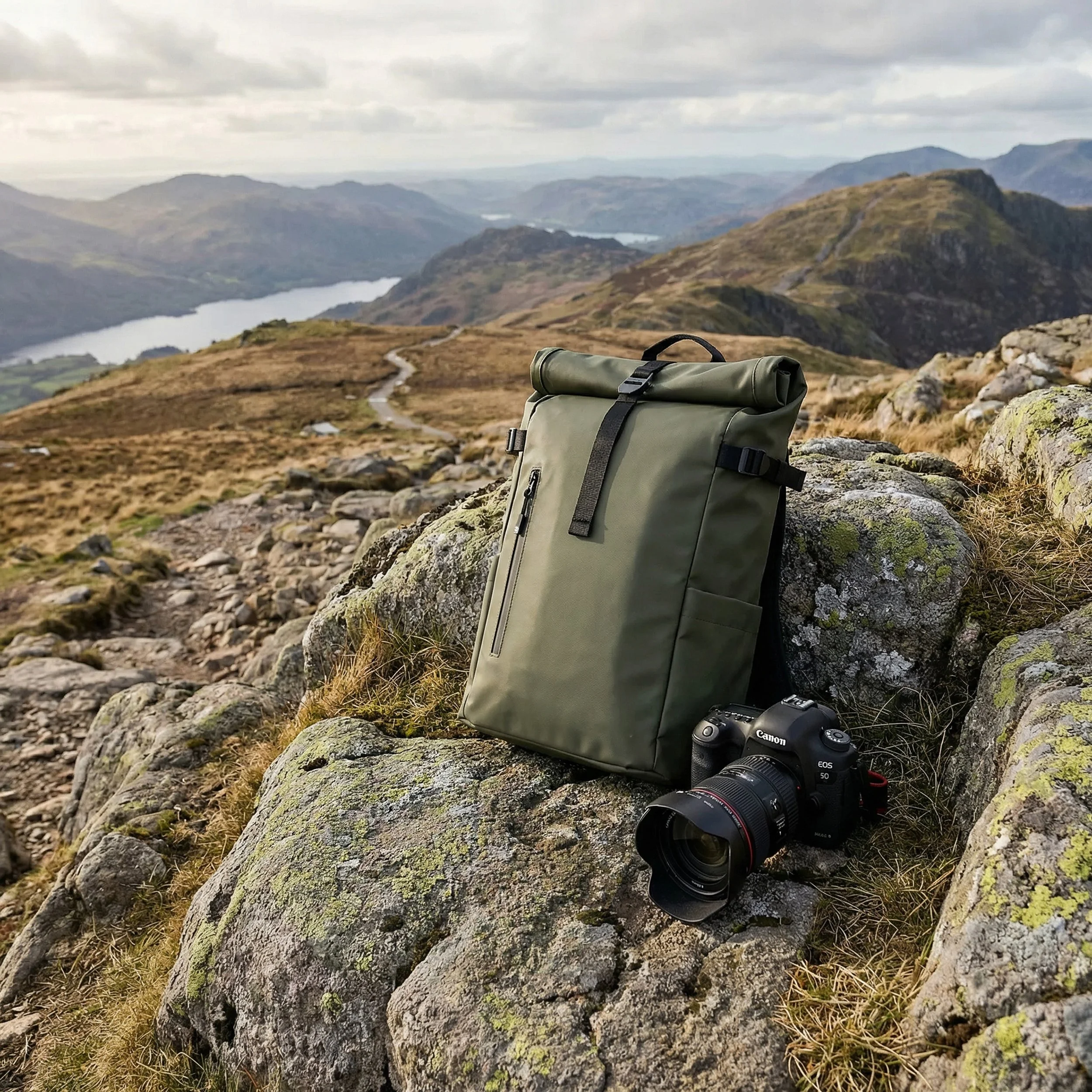
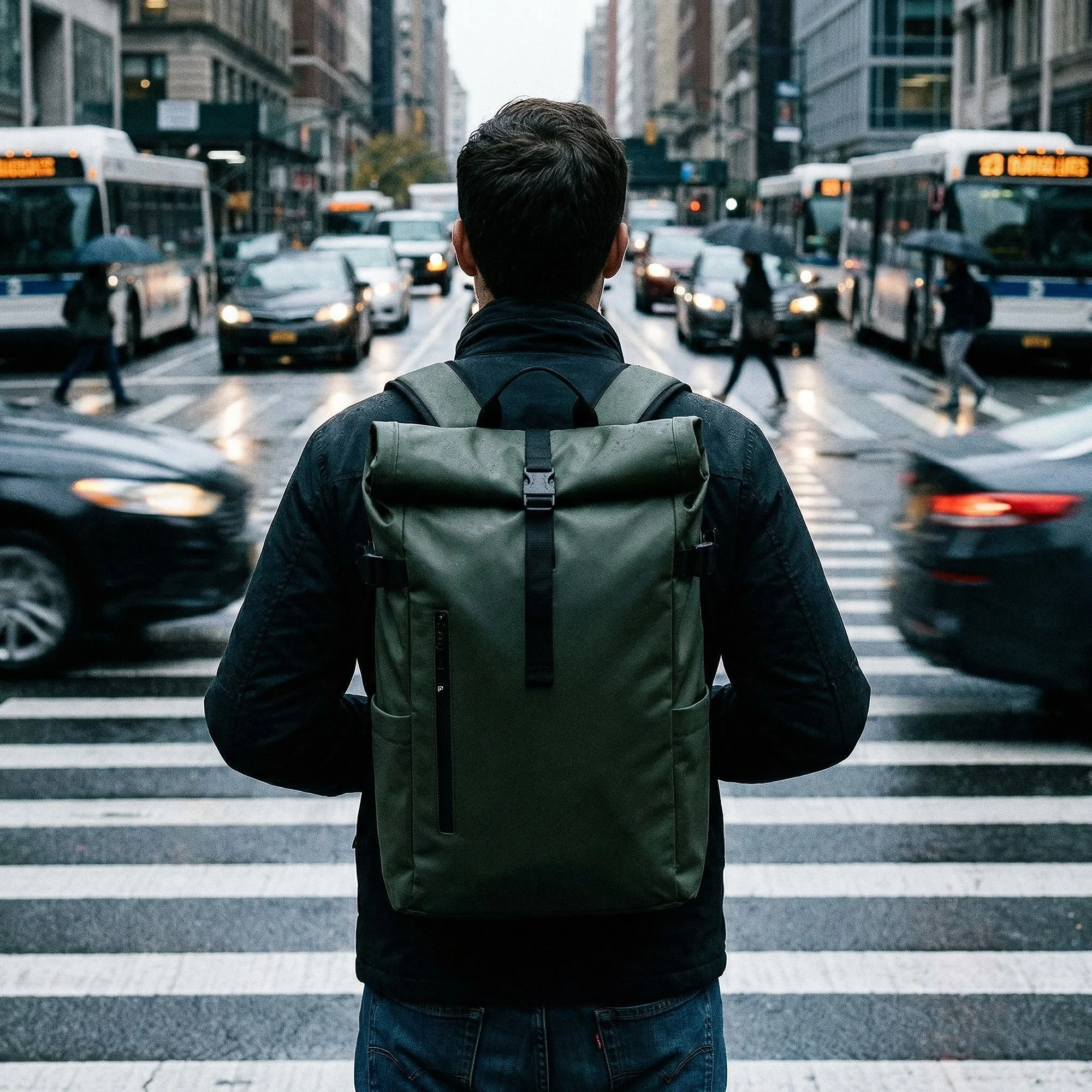
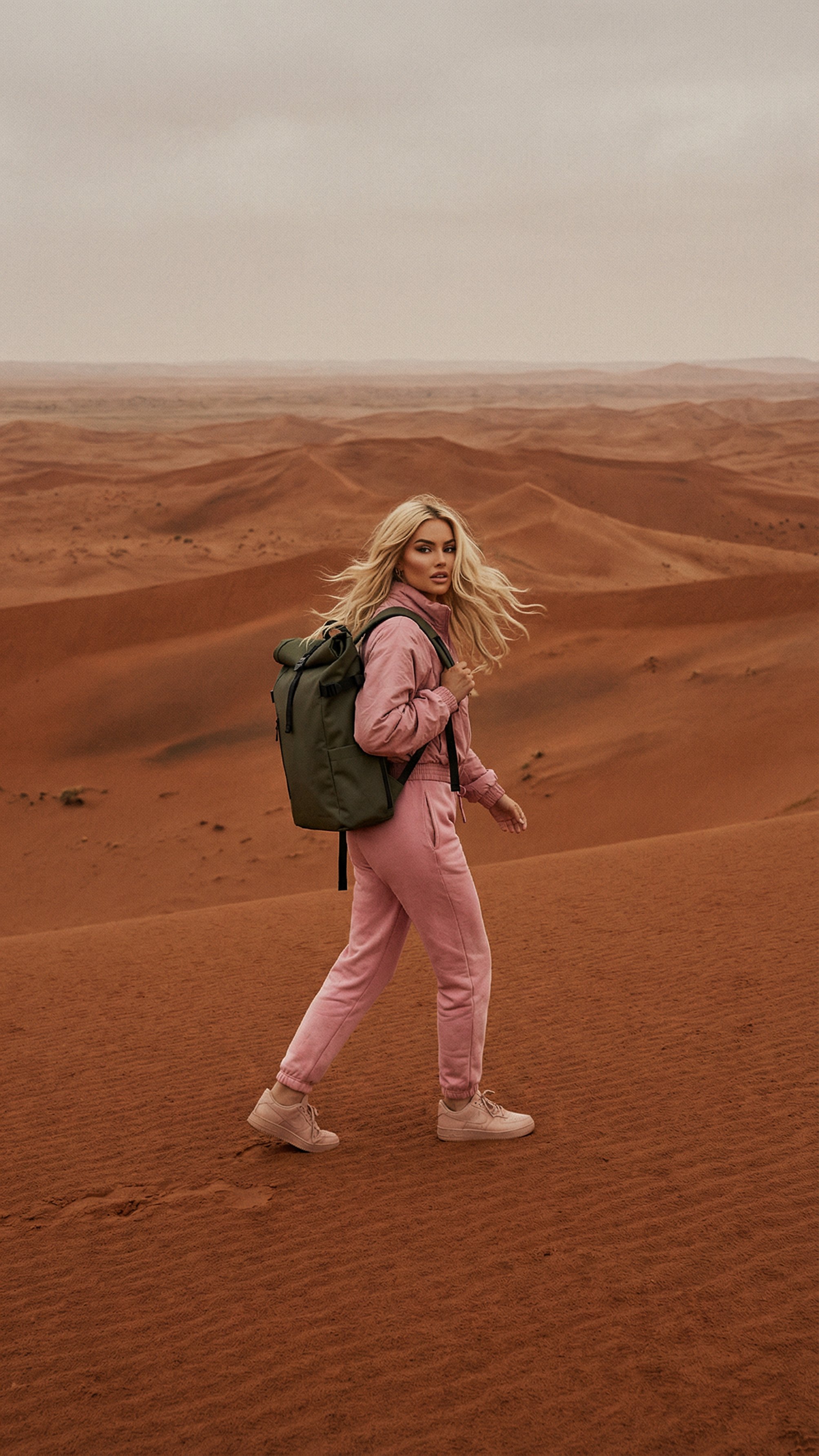
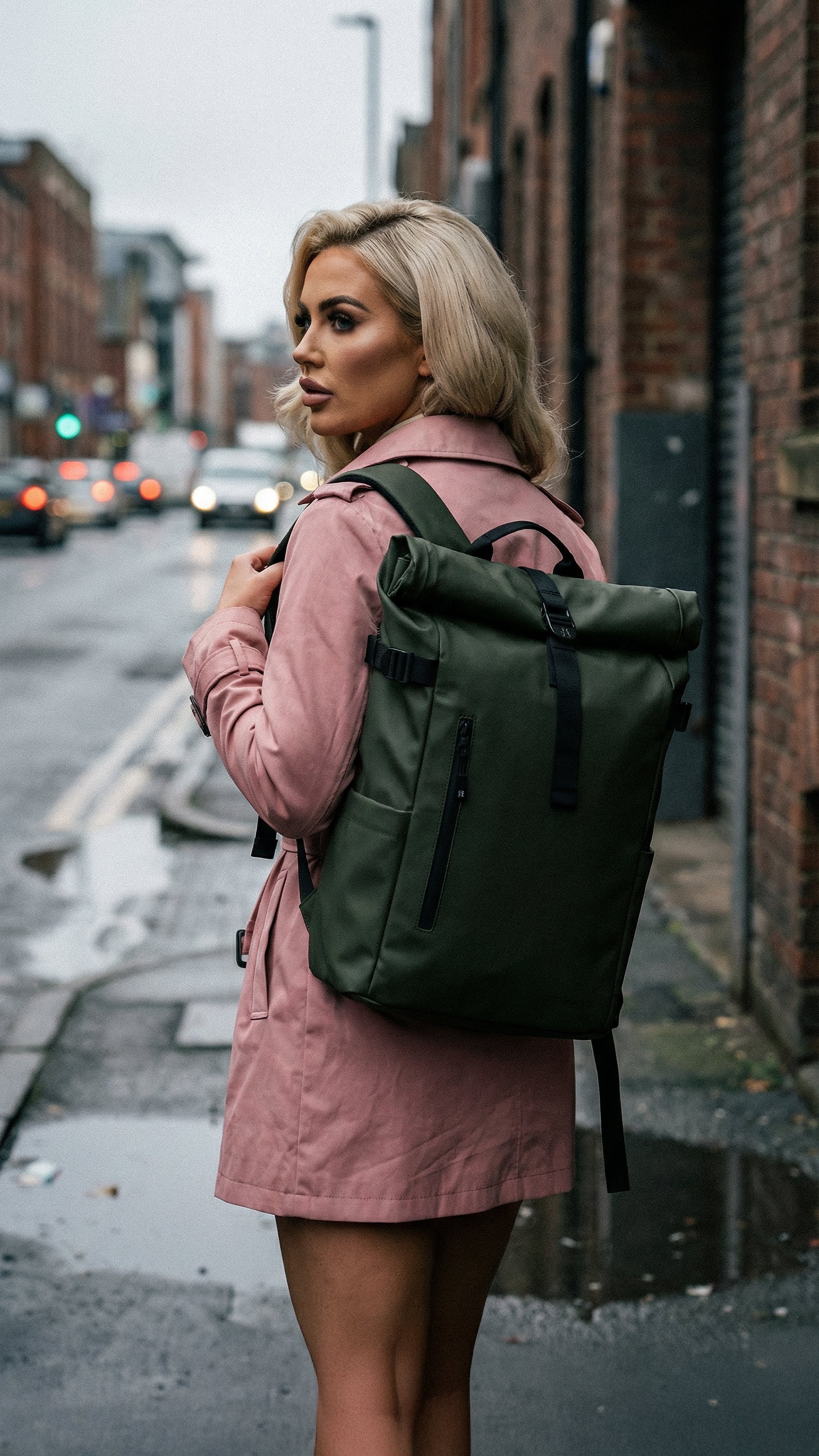
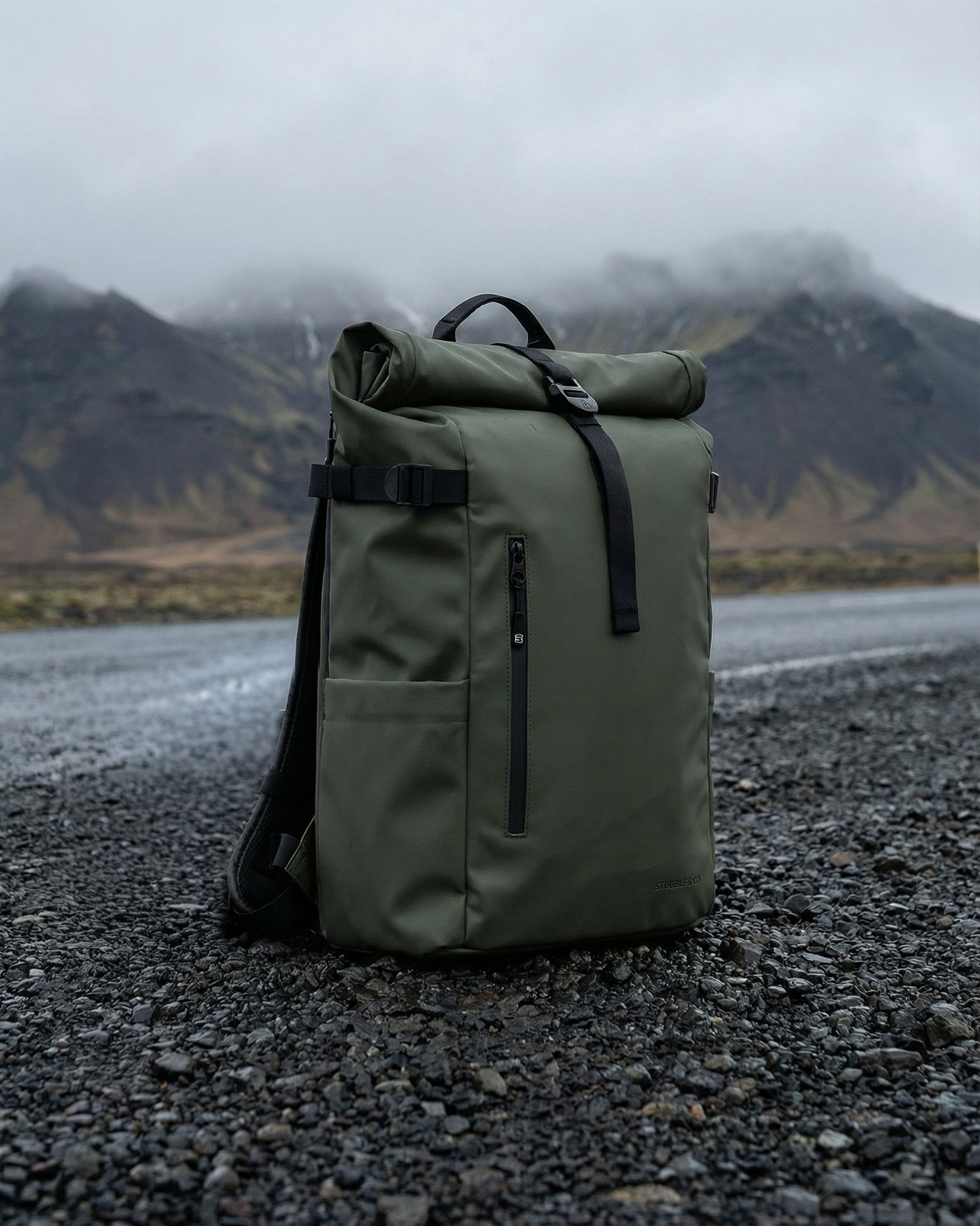
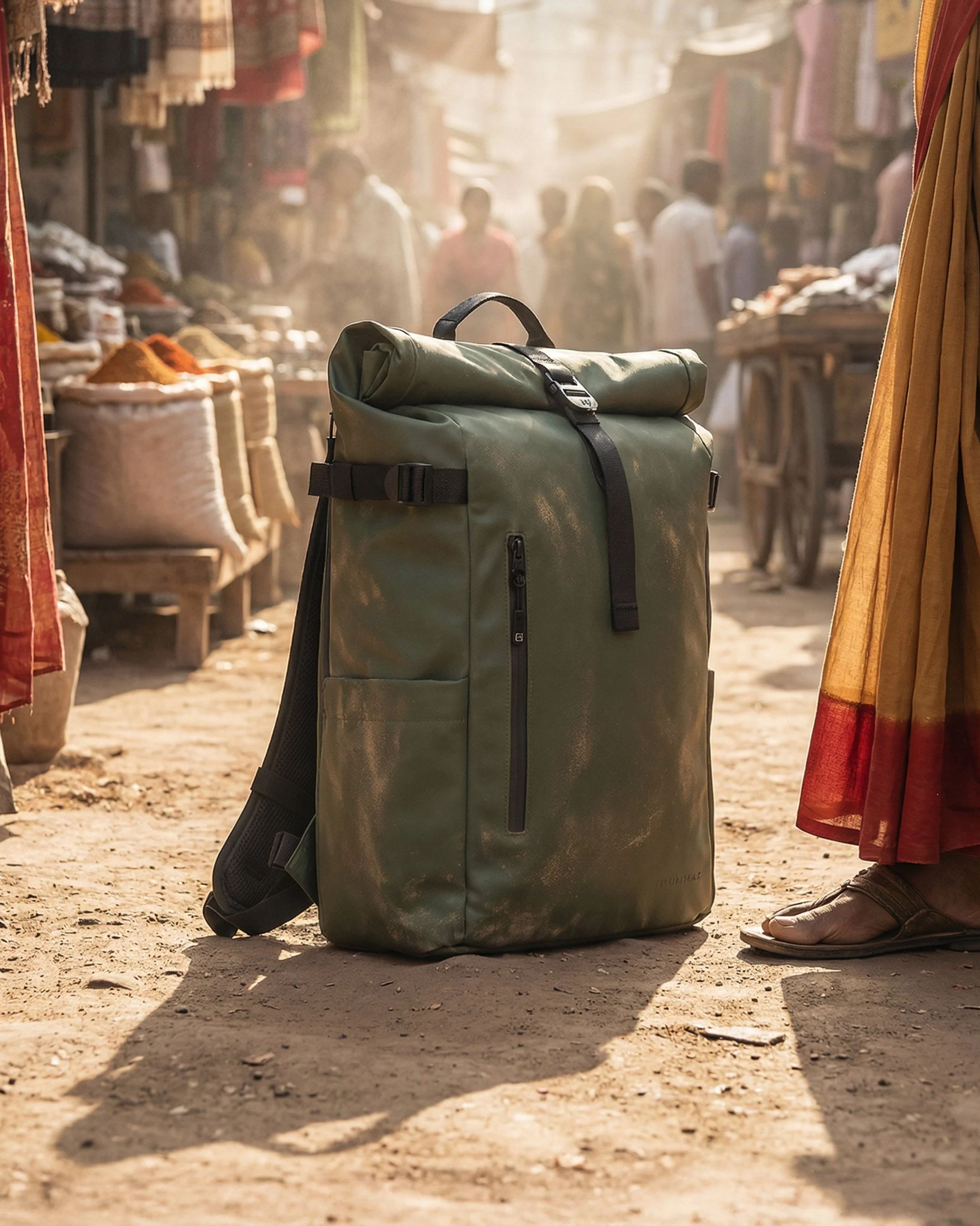
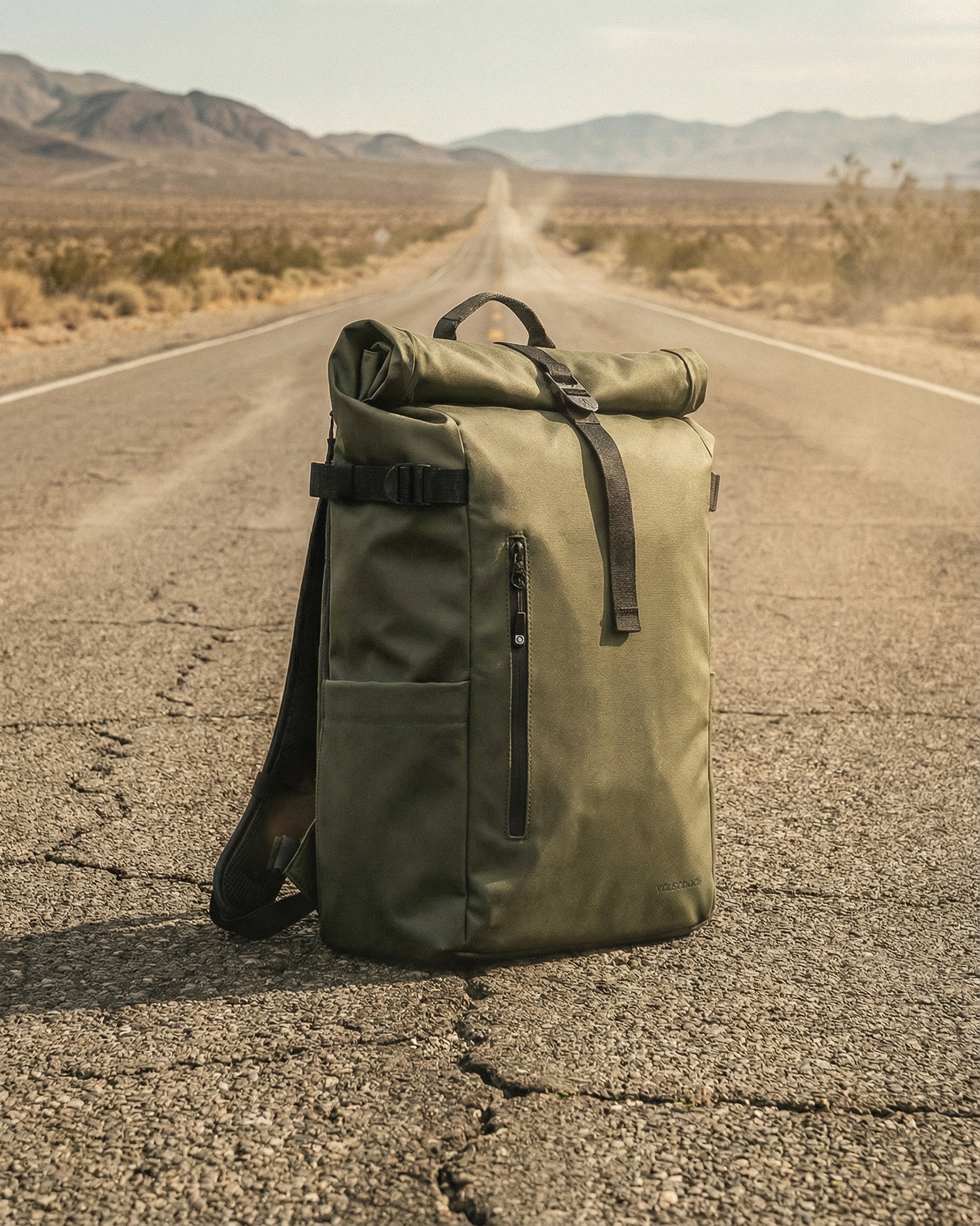
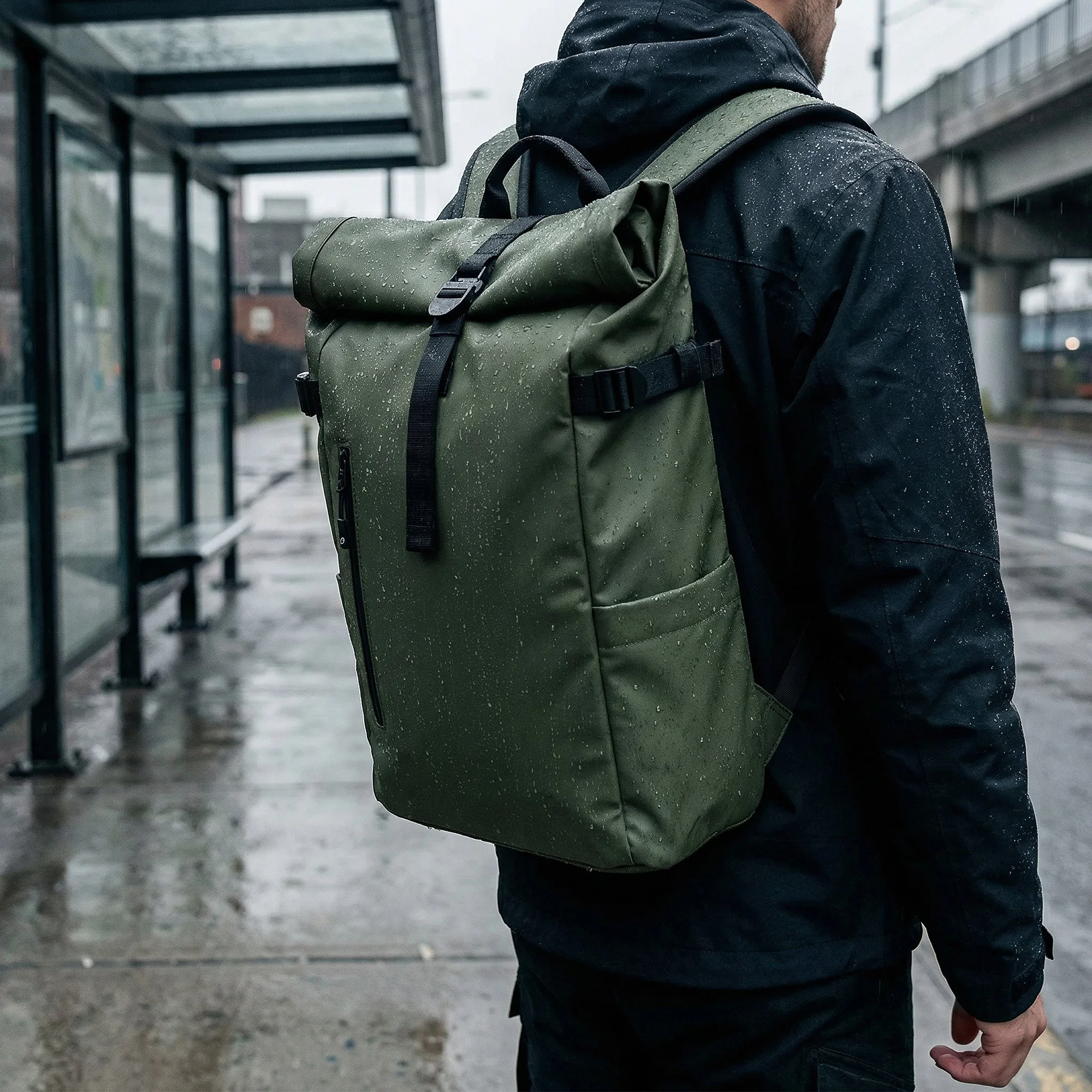
Every image you see below began as one plain background product photo.
-
Sometimes all you have is a clean studio shot of a product on a white background. Other times you need that same product to exist in a completely different world — a kitchen, a bathroom, a lifestyle scene, or something more imaginative. This is where AI, used properly, becomes incredibly powerful.
We use AI to take real product photographs and place them into new environments in a way that feels natural and believable. The key thing to understand is that this isn’t about dropping a product onto a background and hoping for the best. It’s about careful planning, good photography, and a lot of attention to detail.
-
Once the base image is chosen, AI is used to create or support a new background — anything from a clean lifestyle setting to something more stylised or dramatic. The product is then carefully integrated into that scene.
This part is where experience really matters. Lighting direction, shadows, reflections, scale, and perspective all need to match. If these details are off, the image immediately feels fake. If they’re handled well, the product looks like it was photographed there all along.
AI helps speed up what’s possible, but every image is still guided and refined by hand to make sure it feels right.
-
For more complex setups — for example, reflective surfaces, unusual angles, dramatic lighting, or products that interact closely with their environment — it’s often best for us to photograph the product specifically for the final image.
In these cases, we plan the lighting, camera position, and angles so the product already matches the scene it will end up in. This makes the final result much more convincing and gives far greater creative control.
What’s needed varies from project to project, and that’s something we always discuss upfront.
-
Some projects can work beautifully using existing images. Others benefit from a custom shoot. There’s no single “right” approach — the best solution depends on the product, the brief, and where the images will be used.
We’re always happy to look at what you already have and talk through the options. Sometimes a simple studio shot is enough. Sometimes a little more planning makes all the difference.
-
The aim is always the same: to create images that look real, considered, and on-brand. AI is part of the process, but it’s the combination of photography, judgement, and experience that makes the final image work.
If you’re looking to show your product in new settings without the cost and complexity of multiple photoshoots, this approach offers flexibility, creativity, and consistency — all built around the product you already have.