
How an AI Photoshoot Works: From Brief to Final Images
-
I’ve been a photographer for about 15 years now, and I mainly work with small to medium-sized businesses. A lot of beauty brands, home fragrance, candles, skincare, little lifestyle products – that kind of thing.
Traditionally, the workflow looks like this:
Studio shoot on white background
Nice clean images for e-commerce
Maybe (if the budget allows) a few more creative shots
But what clients actually want is usually something more like:
their product in a beautiful environment
a certain mood or aesthetic
images that speak to their target audience
something that feels like a real brand, not just a listing
The problem is, real lifestyle photography is expensive. Not because photographers are greedy, but because it genuinely costs a lot to produce:
locations
models
assistants
props
set design
travel
insurance
time
If you want your product shot on a beach in the Amalfi Coast, someone has to actually go to the Amalfi Coast.
And most small businesses just can’t justify that.
I’ve spent years building little sets in my studio, getting creative with backdrops, faking locations, and doing everything I can to stretch budgets. And you can get great results – but there are always limits.
You can’t make a small studio look like New York.
You can’t make a candle look like it’s floating in space.
And you definitely can’t break the laws of physics.That’s where AI comes in.
-
An AI photoshoot isn’t just “typing a prompt and hoping for the best”.
At least, not the way I work.
In reality, it’s much closer to a normal creative shoot, just with a very different production process.
The basic stages look like this:
Brief
References and planning
Image creation
Refinement and problem-solving
Final retouching and delivery
The difference is that instead of booking locations and models, we’re building the world digitally.
-
This part is no different from traditional photography.
I’ll ask things like:
What’s the product or service?
Who’s it aimed at?
Where will the images be used?
What kind of vibe are you after?
Are there any brands or images you love?
This is where brand tone really matters.
A skincare brand aimed at 20-year-olds on TikTok needs completely different imagery to a luxury home fragrance brand aimed at 50-year-olds with disposable income.
AI doesn’t remove the need for creative direction – if anything, it makes it more important.
-
This is the bit most people skip when they use AI themselves.
Before I generate anything, I’ll usually gather:
reference images
moodboards
colour palettes
lighting styles
composition ideas
This comes straight from my photography background. I’m thinking about:
camera angles
lens perspective
depth of field
where the light is coming from
how the product should sit in the scene
Even though it’s AI, the image still needs to behave like a photograph if it’s going to look believable.
-
This is where AI actually comes in.
Sometimes I’ll start from:
a real product photo (for example, a white background packshot)
sometimes from scratch if it’s more conceptual
sometimes a mix of both
AI is used to place the product into:
environments
scenes
situations
lighting setups
concepts that would be impossible or very expensive in real life
This could be:
a candle on a beach at sunset
a perfume bottle floating in water
a product inside a surreal, abstract world
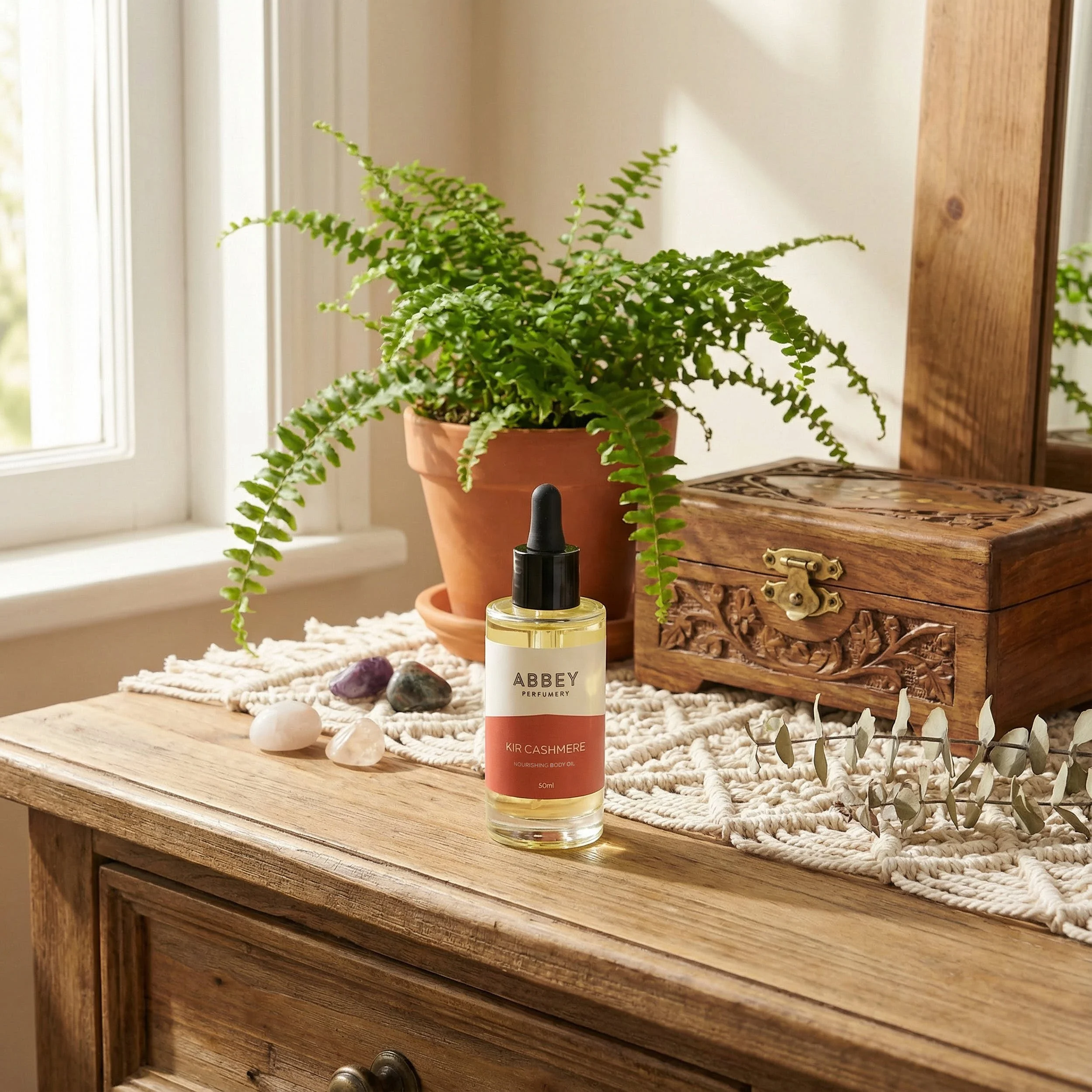
a lifestyle scene in a beautiful apartment
At this stage, the AI output is rarely perfect.
It’s more like a very talented but slightly chaotic assistant.
-
This is where most people hit a wall with AI.
Because AI often:
changes the product shape
invents details
messes up shadows
gets reflections wrong
creates lighting that makes no physical sense
If you’re using an app or an automated tool, you’re kind of stuck with that.
This is where my actual skill as a photographer and retoucher comes in.
I take the AI-generated images into professional editing software and:
correct lighting
rebuild shadows
fix reflections
restore product details
combine real photography with AI elements
make sure everything matches properly
I’m essentially treating the AI output like a very rough composite that needs proper post-production.
This is also why the images look more realistic than a lot of “AI art” you see online. I know how the image is supposed to behave, because I’ve been creating real ones for 15 years.
-
Once everything actually looks right, I finish the images in exactly the same way I would with normal photography:
colour grading
retouching
cropping for different platforms
exporting for web, social, ads, etc
At this point, the images are just… images.
They’re not “AI-looking”.
They’re not “weird”.
They’re just strong brand visuals. -
This is the bit I actually care about most.
AI finally lets small brands have:
lifestyle imagery
creative concepts
strong visual identity
aspirational scenes
Without needing:
huge budgets
international travel
massive productions
It means you’re no longer limited to:
“what can physically fit in a small studio”
You’re limited only by:
“what fits your brand”
And that’s a massive shift.
-
No. And I’m not pretending it is.
There are still loads of situations where traditional photography is the right answer:
real people
real events
documentary work
genuine human moments
But for:
product imagery
brand visuals
creative concepts
bespoke stock images
AI is an incredible tool.
Not because it replaces skill – but because it finally removes the logistical and financial barriers that small businesses have always been stuck with.
-
I didn’t get into AI because it was trendy.
I got into it because, after 15 years of working with small brands, I was a bit tired of saying:
“That’s a great idea… but it’s probably out of budget.”
AI is the first thing that’s let me stop saying that so often.
And from a creative point of view, that’s honestly quite exciting.
-
It’s also worth saying that if, after reading all this, you decide AI isn’t actually the right fit for what you need, that’s completely fine. I’m still a traditional photographer too, and I shoot real products, real people and real campaigns in the usual way. So if what you’re after is a more conventional photoshoot, you can have a look at my photography work at hannahwebsterphotography.co.uk and get in touch there instead.

Past Project
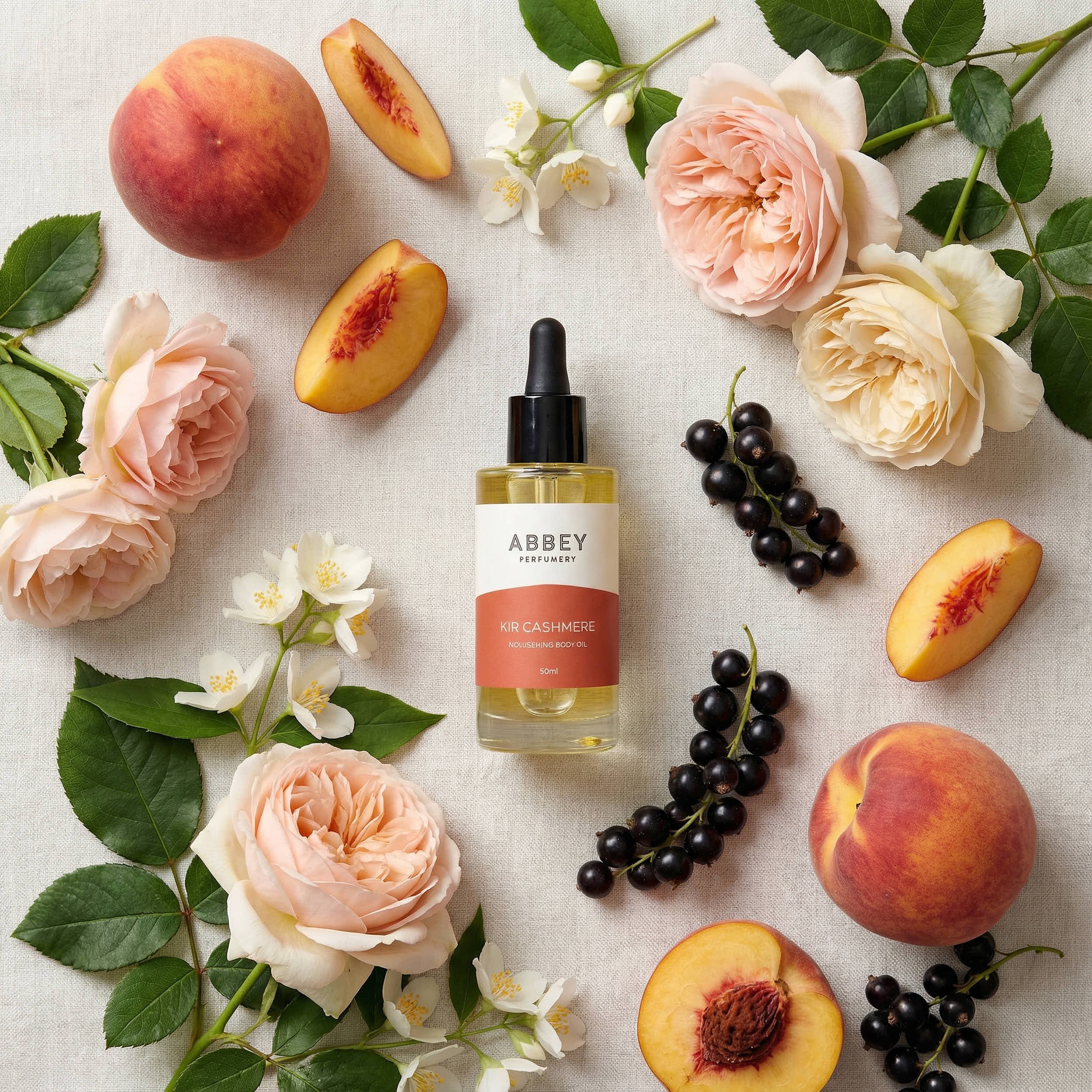
Abbey Perfumery
A new look for a small perfume brand.