
Case study: From Flat to Fashion Editorial
An Activewear Case Study
Most activewear brands begin with very practical photography, flat-lays, mannequins and clean white-background shots that show fit, fabric and colour clearly, and they’re essential for e-commerce, but they rarely say much about who the clothes are really for or how they fit into someone’s life.
As a brand grows, that becomes a problem.
People don’t just want to see what leggings look like on a hanger, they want to imagine themselves wearing them on the way to the gym, walking through the city, or grabbing a coffee after a workout, they want mood, movement and personality, but full fashion shoots with models, stylists and locations are expensive and hard to repeat.
This is where AI becomes a really powerful creative bridge between basic product photography and high-end campaign imagery.
Starting with what already exists
For this concept project, imagine an activewear brand that already has a solid set of studio images, leggings, sports bras and jackets shot cleanly, laid flat or shown on mannequins, with consistent angles and neutral backgrounds.
Technically, those images are perfect.
Creatively, they’re limited.
Instead of throwing them away and starting again, those product shots become the raw material for something much bigger, each garment, captured once, becoming a master asset that can now live in multiple visual worlds.
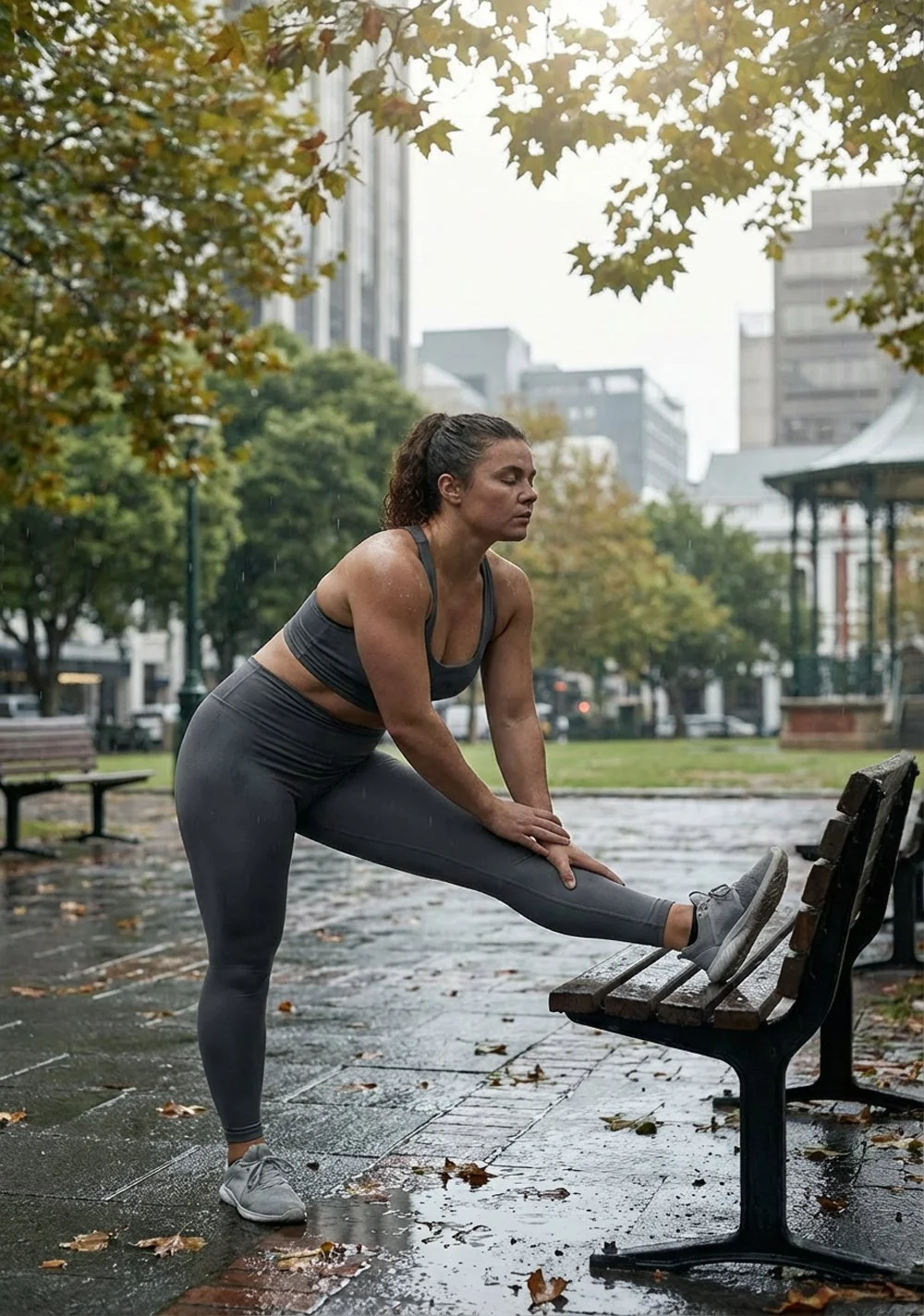
Turning products into editorial scenes
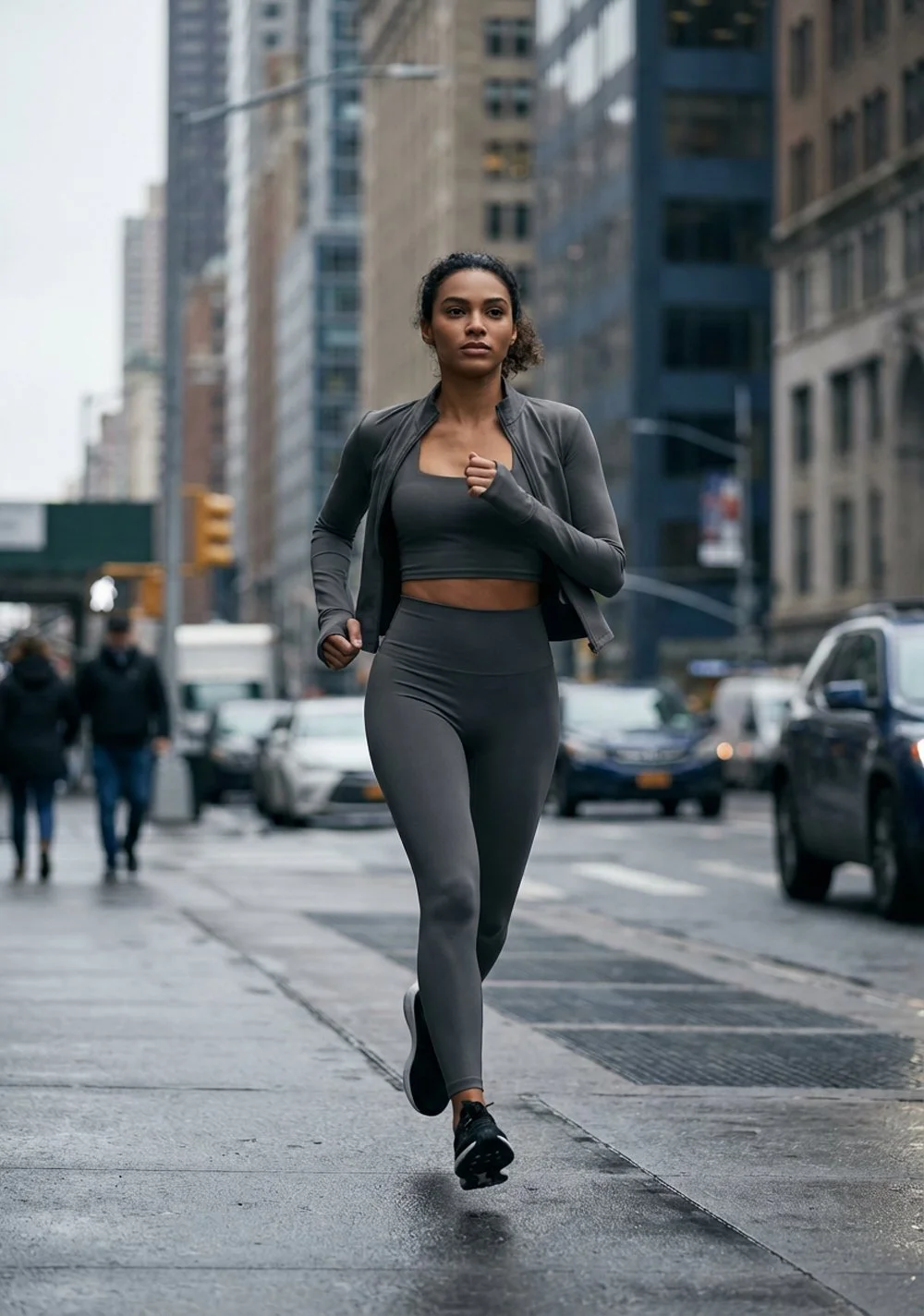
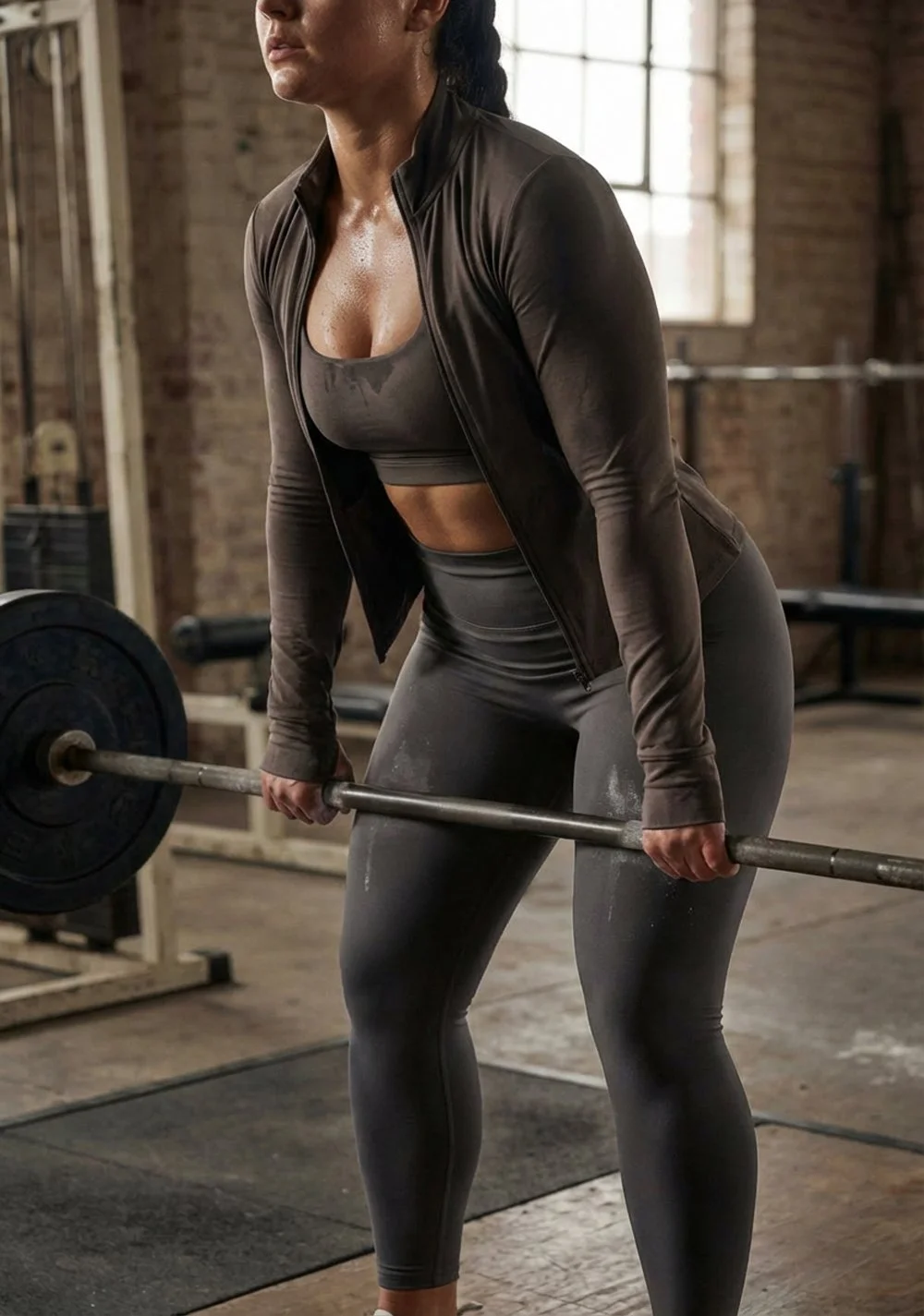
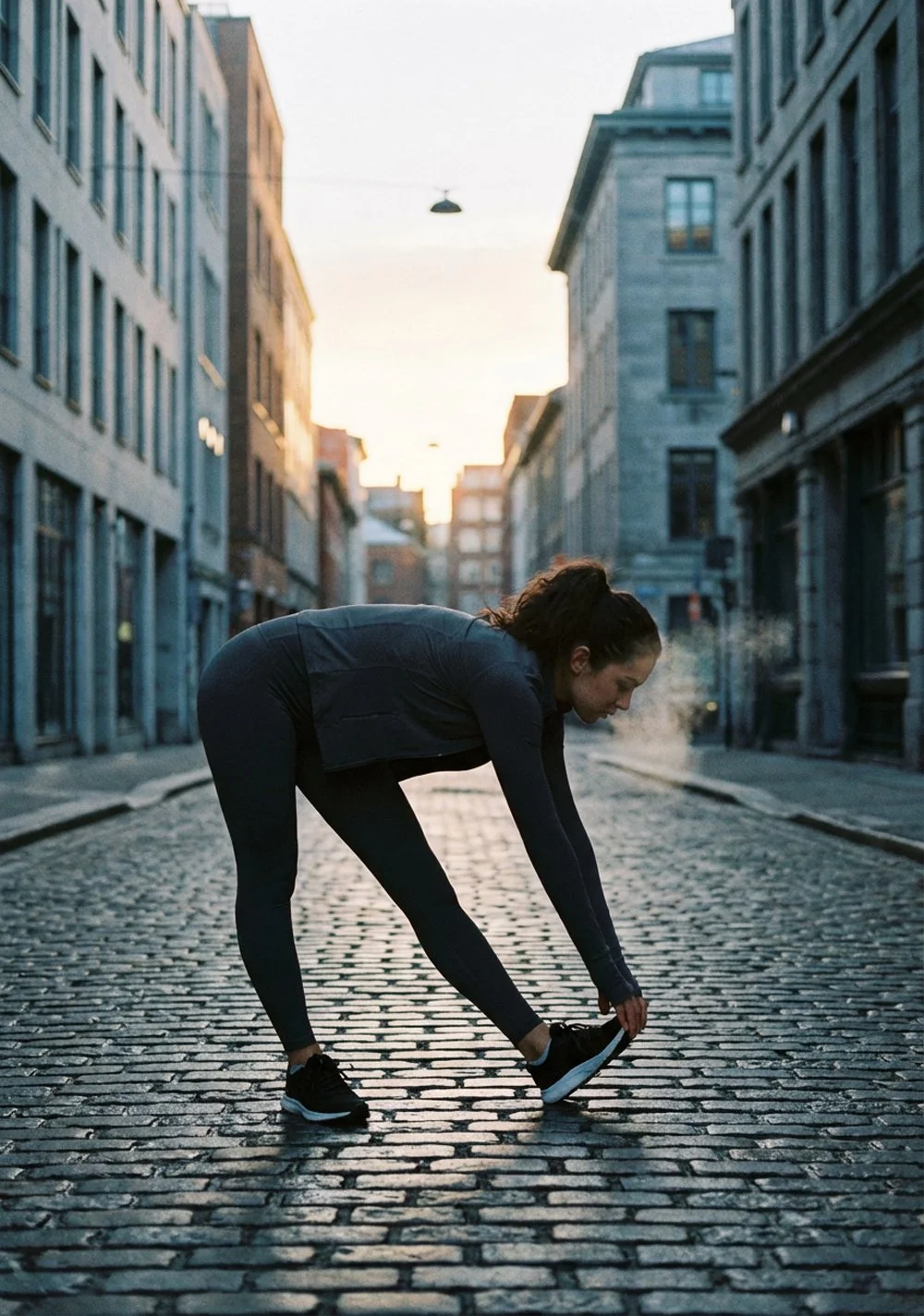
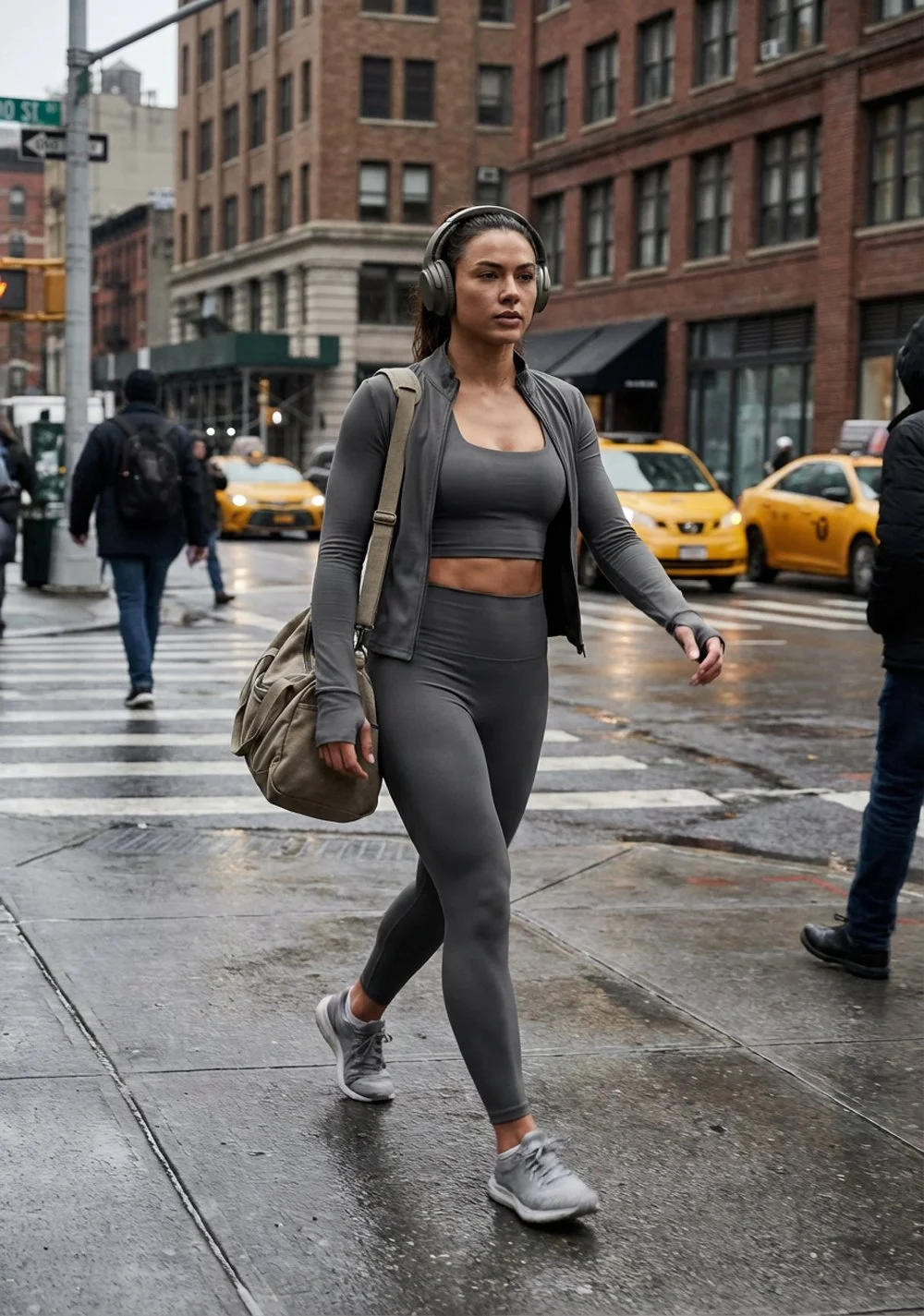
Using AI, those same pieces of clothing can now appear in settings that feel like they belong in a fashion magazine or lifestyle campaign, while still being exactly the products a customer will receive.
For example:
a model mid-stride on a city run, suggesting performance and speed
a relaxed café scene after a workout, showing how the clothes fit into everyday life
a dramatic studio setup with styled lighting and posing, elevating the garments into a premium fashion space
Because the clothes come from real studio photos, the seams, fabric texture and fit stay accurate, even as the scenes become more aspirational.
Why this matters in such a competitive market
Activewear isn’t just about performance, it’s about identity, community and lifestyle.
Big brands spend huge amounts creating imagery that makes their clothes feel part of a desirable world, while smaller labels often get stuck with simple pack shots that don’t tell much of a story.
This approach helps close that gap.
Instead of choosing between functional e-commerce images or expensive lifestyle shoots, brands can now have both, creating:
website visuals that show the clothes in action
social content that feels stylish and aspirational
ad creatives that look like they belong to a major campaign
All without booking models or scouting locations.
More content, more flexibility
One of the biggest advantages of this workflow is how much more content it creates.
From one set of flat-lays, a brand can generate dozens of visuals, one focused on performance, another on comfort, another on everyday wear, allowing them to speak to different parts of their audience without reshooting anything.
Campaigns can be refreshed more often, seasonal looks can be introduced, and trends can be responded to quickly, because the clothing is already photographed and ready to be reimagined.
Keeping the product honest
The key is that the product never changes.
AI isn’t inventing new garments or altering how they look, it’s simply placing the real items into new environments, so customers still get an honest view of what they’re buying, just presented in a more compelling, story-driven way.
The clothes stay the same.
The story around them gets richer.
Turning basics into brand assets
This approach is really about unlocking the value in photography brands already have.
Flat-lays and studio shots stop being the end of the process and start becoming the beginning of something much more creative.
If you’d like to see more examples of this kind of workflow, you can explore the Alchemy Studio AI case studies, or read more about how I combine photography and AI on the process page.