
Case study: The Impossible Location Shoot
A Tech Rucksack Case Study
For products that are built around movement, freedom and adventure, where something is photographed is just as important as what’s being photographed, because a rucksack designed to go anywhere instantly feels more desirable when it’s shown on a train platform, on a mountain trail or on a city rooftop, those environments quietly telling the customer what kind of life this product belongs in.
The problem is that real locations are expensive, unpredictable and slow.
Flights, accommodation, permits, transport, weather, crew, models and insurance all stack up very quickly, and for most small or mid-sized brands the idea of a global lifestyle campaign simply collapses under the weight of its own logistics, so they fall back on studio photography that, while technically solid, can’t fully express the product’s story.
This is where AI changes what’s possible.
One master image, real detail
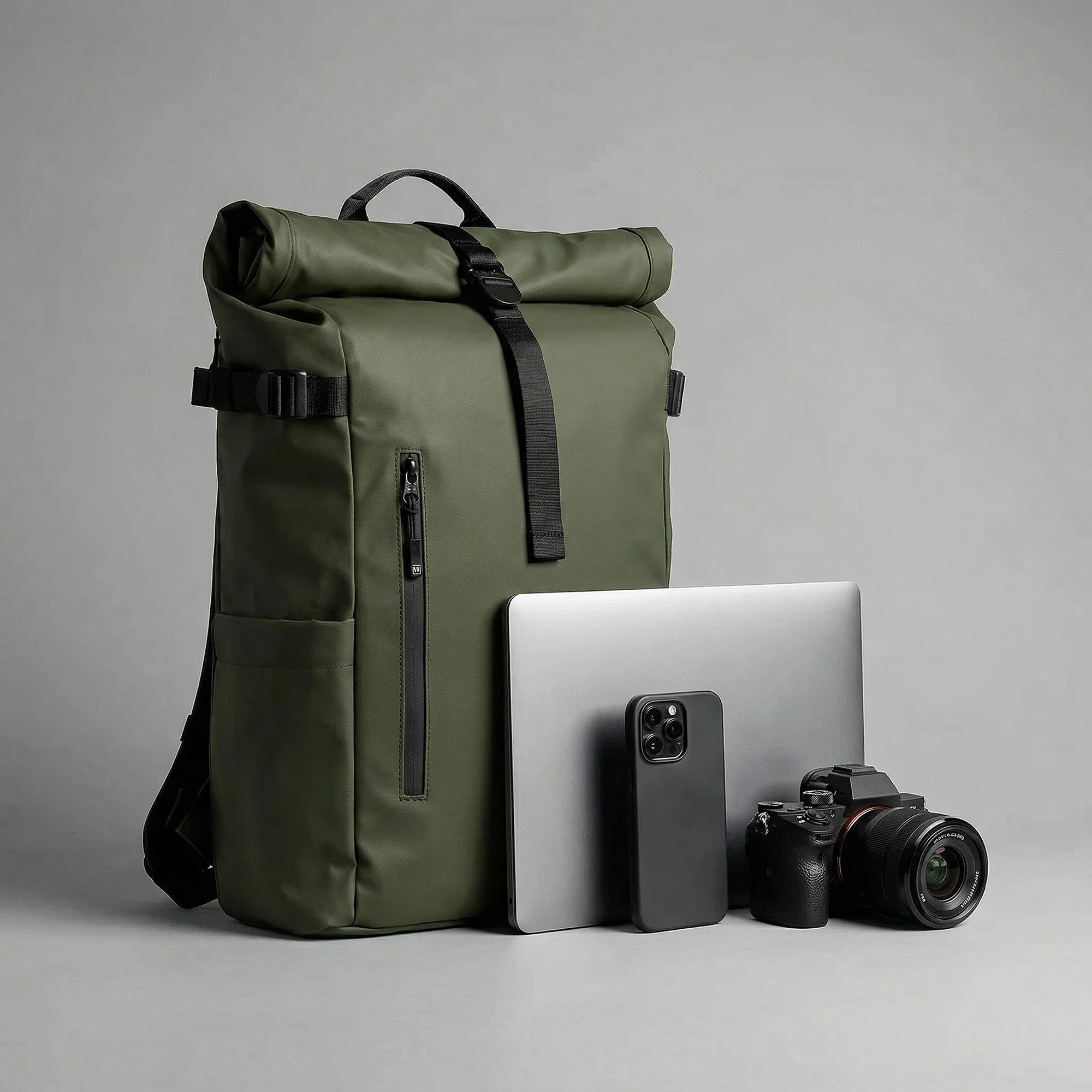
Everything starts with one carefully shot studio photograph.
The rucksack is lit cleanly, showing the texture of the fabric, the structure of the bag, the zips, pockets and stitching, all captured at a consistent angle and at a quality high enough to work on websites, ads and social media.
That image becomes the master file, the version of the product that never changes.
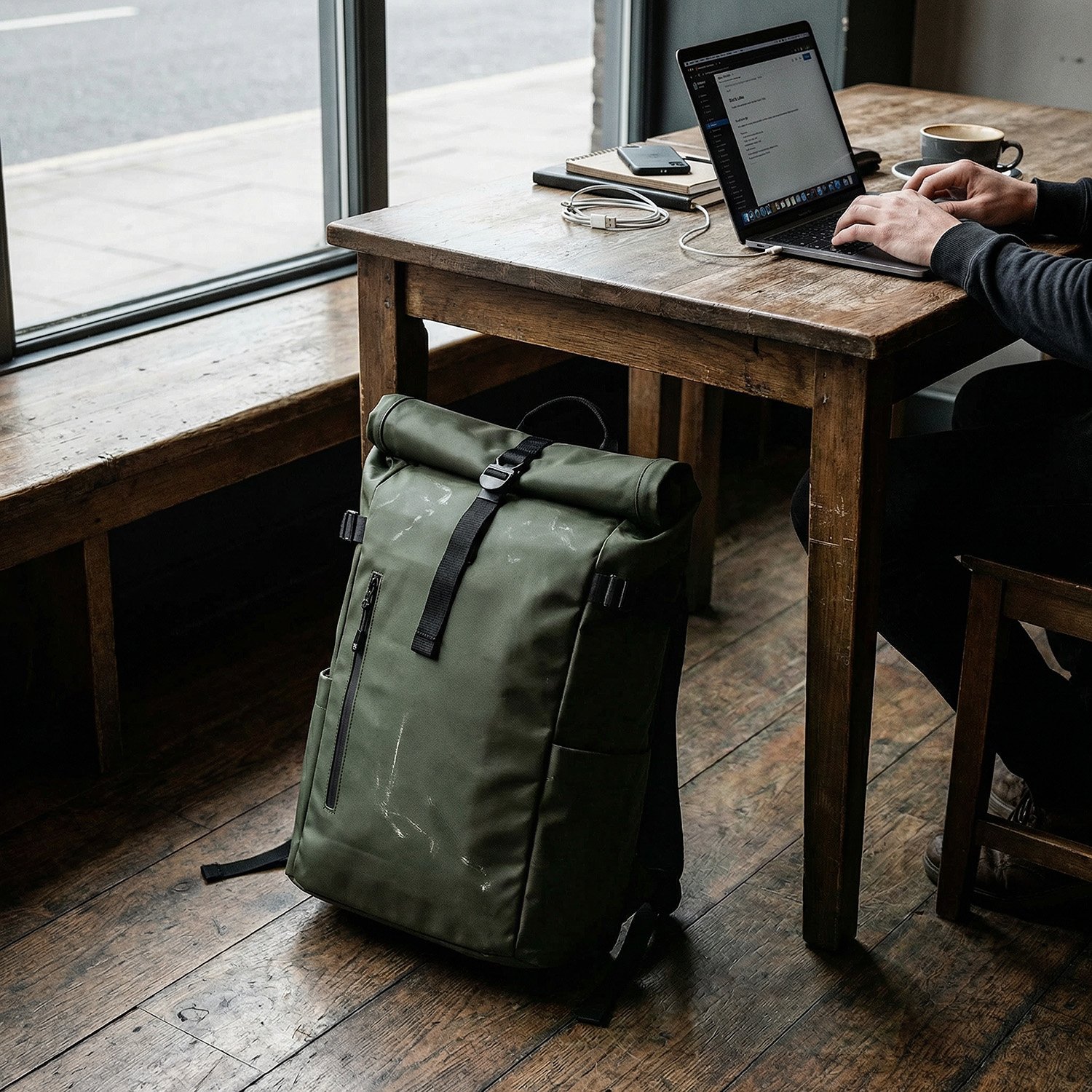
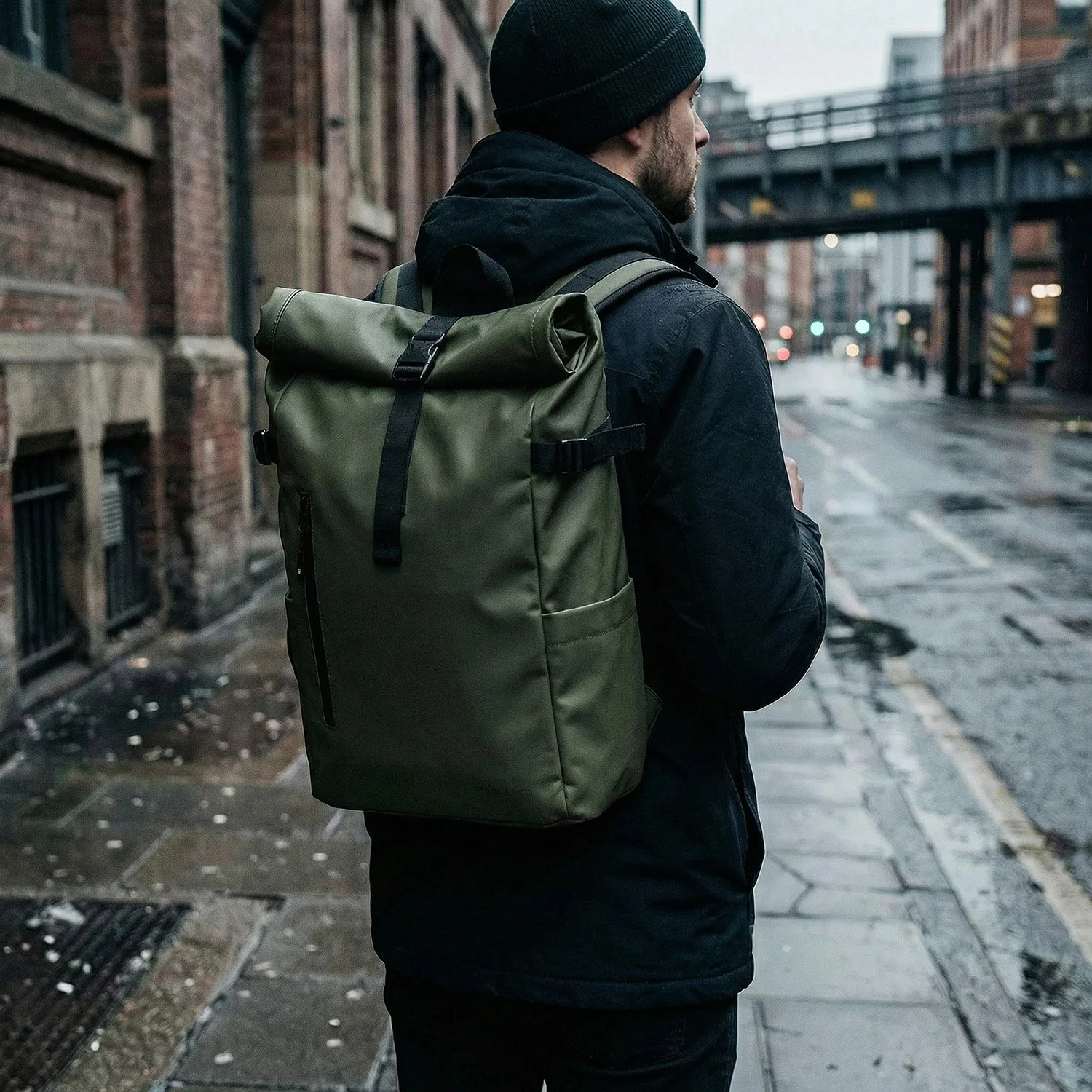
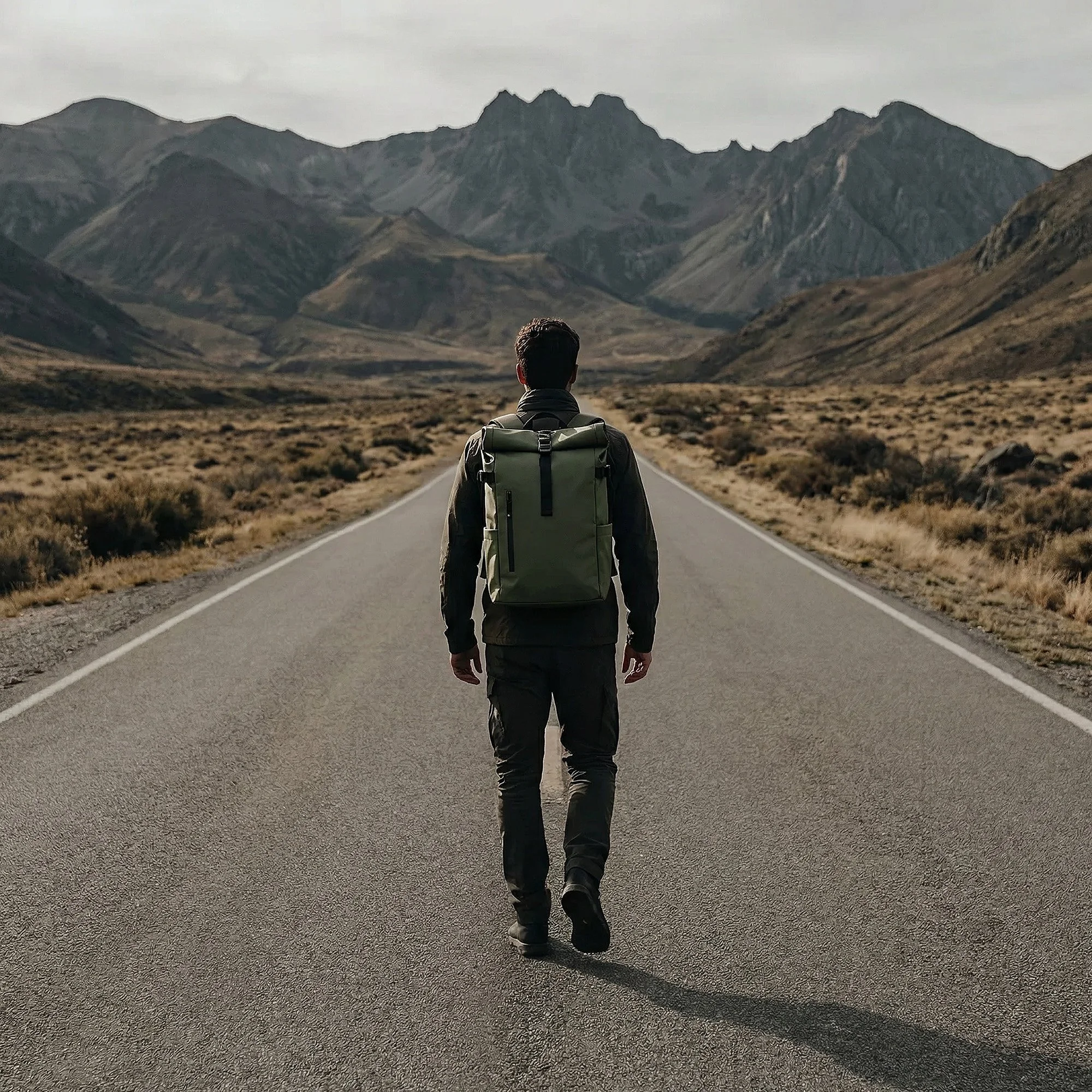
Once it exists, it can be placed into countless environments using AI, without losing proportion, realism or lighting logic, so the rucksack stays exactly the same, while the world around it shifts.
From studio to everywhere
With the master image in place, the bag can now live in settings that would normally require multiple international shoots.
For example:
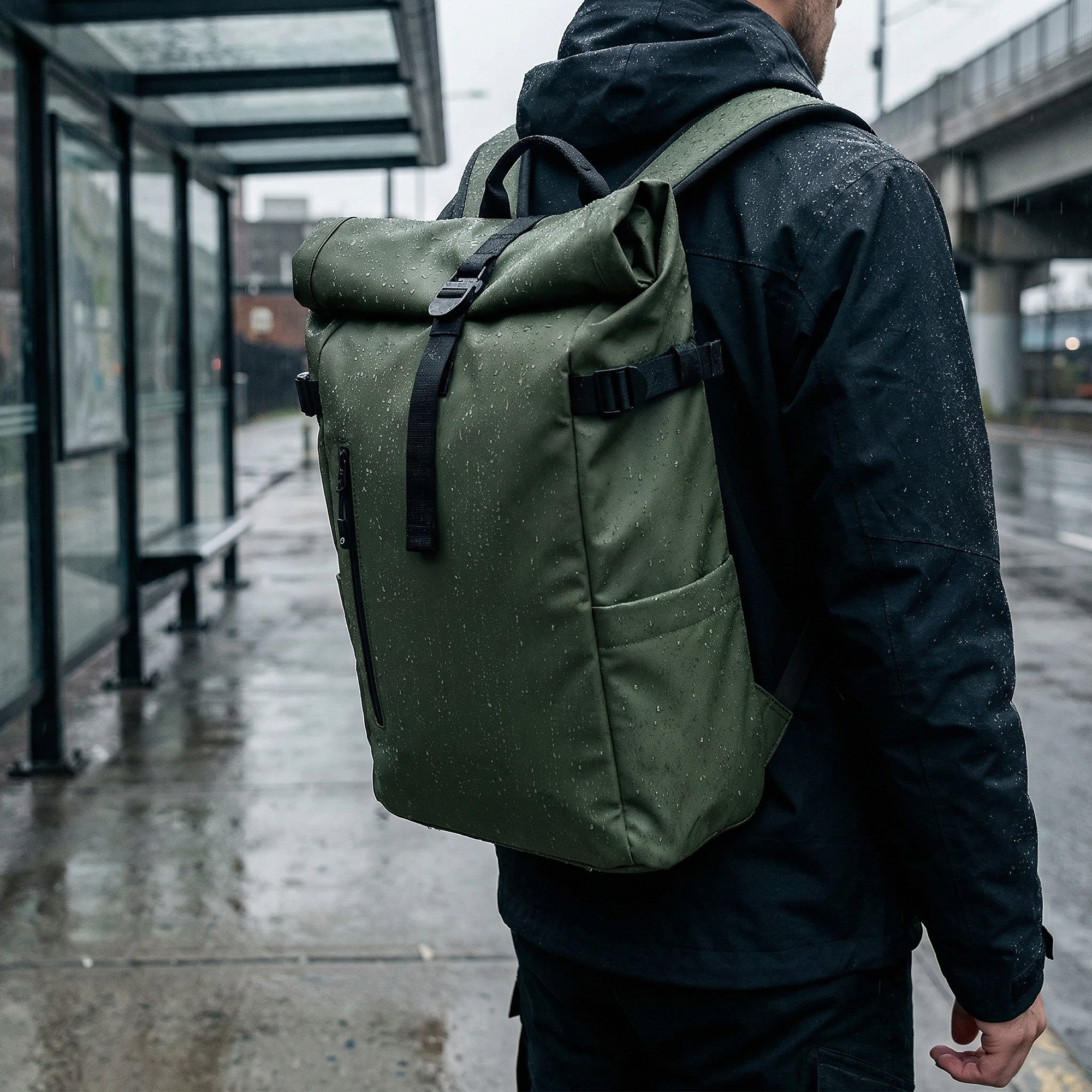
on a busy airport concourse next to a departure board, suggesting freedom and modern travel
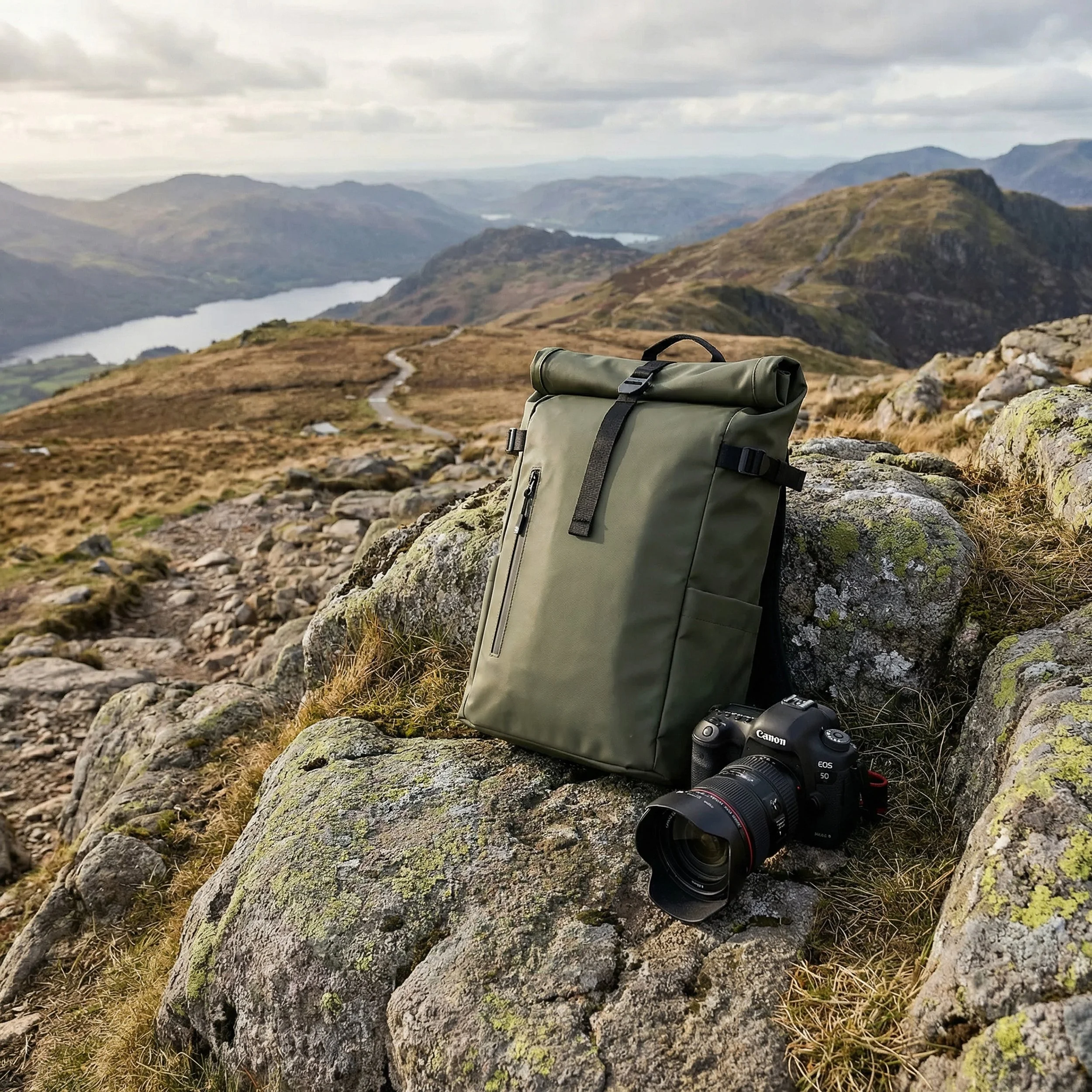
resting on a rock on a misty mountain trail, reinforcing durability and adventure
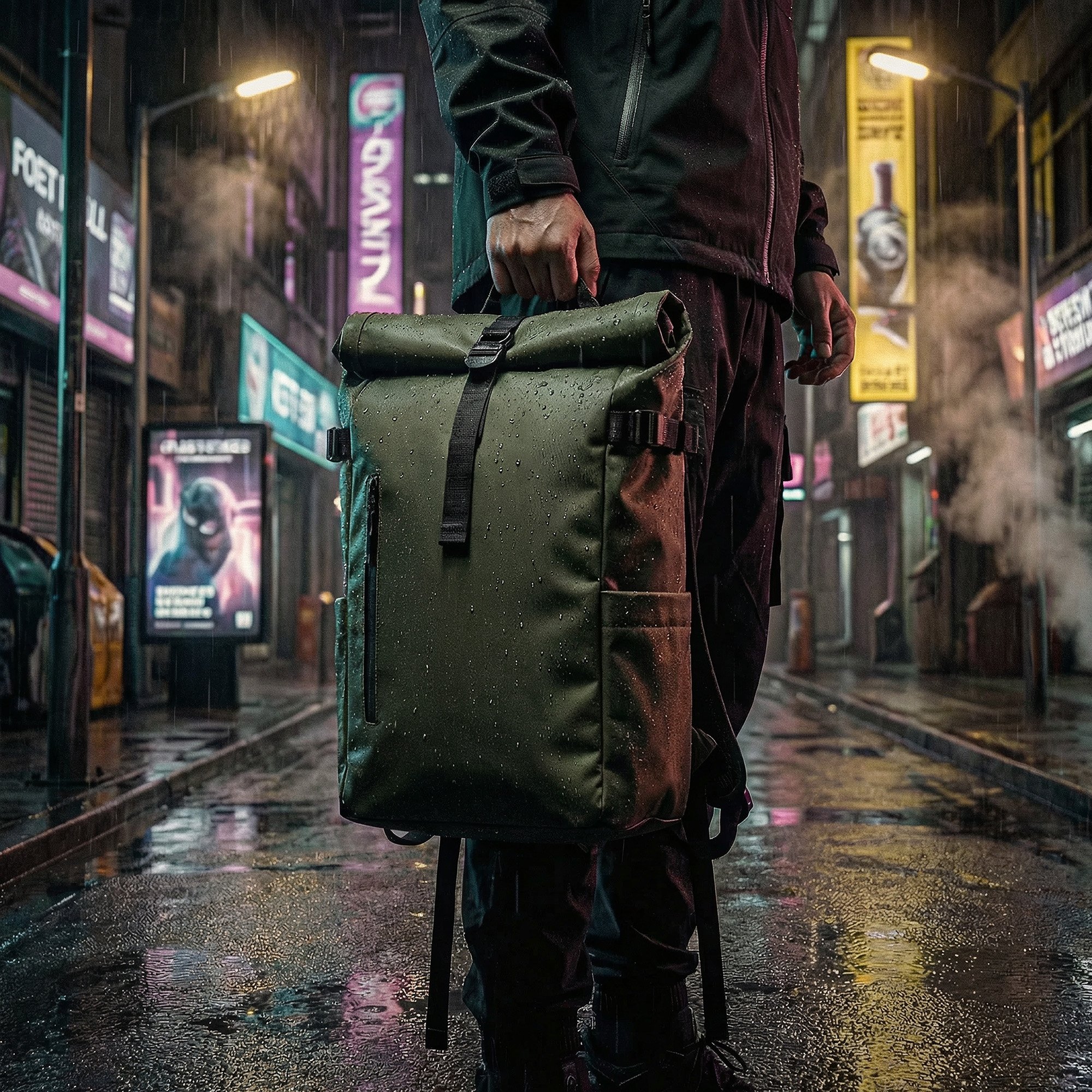
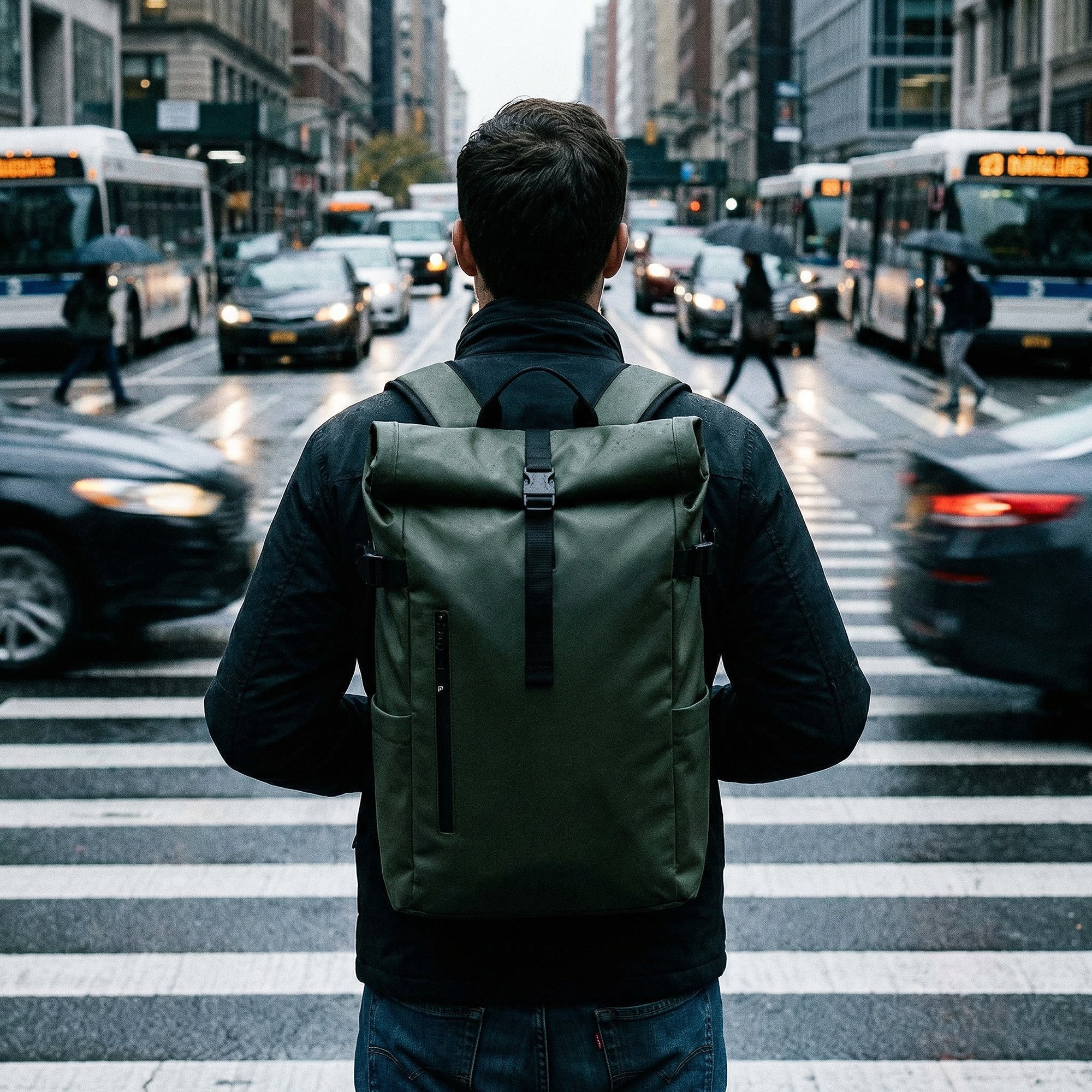
leaning against a café chair on a city street or sitting on a rooftop at sunset, linking it to urban, creative life
Each of these feels like a real location shoot, yet they all come from the same original photograph, which means the product always looks consistent, detailed and premium.
Why this changes campaign strategy
Traditionally, brands have to pick one visual direction, because every direction costs money.
With AI, you don’t have to choose.
You can:
show the same product in multiple lifestyles
test which environments perform best
tailor visuals to commuters, travellers and outdoor users
refresh content without reshooting
Marketing becomes more flexible and more data-led, because you’re no longer locked into the decisions made on one shoot day.
It saves more than just money
Cutting out flights, permits and crew obviously saves thousands, but the bigger shift is in speed and creative freedom.
Once the master image exists, new ideas can become visuals in days rather than months, so brands can respond to trends, launch seasonal content or adapt messaging for new markets without planning another shoot.
A rucksack designed to go anywhere can now appear in summer sun, winter snow, neon city nights or calm morning cafés, all without ever leaving the studio.
Why starting with real photography still matters
This only works because the product is real.
The bag has real lighting, real texture and real depth, which means when it’s placed into AI-generated environments it still feels grounded, shadows fall correctly, reflections behave properly, and nothing looks pasted in or fake.
That consistency is what makes people trust what they’re seeing.
A new way to think about locations
The Impossible Location Shoot isn’t about pretending something was photographed somewhere it wasn’t, it’s about removing the barriers that stop brands from telling bigger stories.
By combining one strong studio image with intelligent AI environments, a product can live in many worlds at once, each one reinforcing a different part of its identity.
If you’d like to see more examples like this, you can explore the Alchemy Studio AI case studies, or read more about how I work on the process page.