
Case Study: One Product, Endless Environments with AI
One of the biggest challenges in product photography is consistency, especially when you want to create multiple images for different platforms, campaigns, or seasons, but still need the product to look exactly the same in every single shot.
This concept project was built around a very simple idea, what if you could take one perfectly shot product image and place it into endless different environments, without ever changing its position, scale, or perspective.
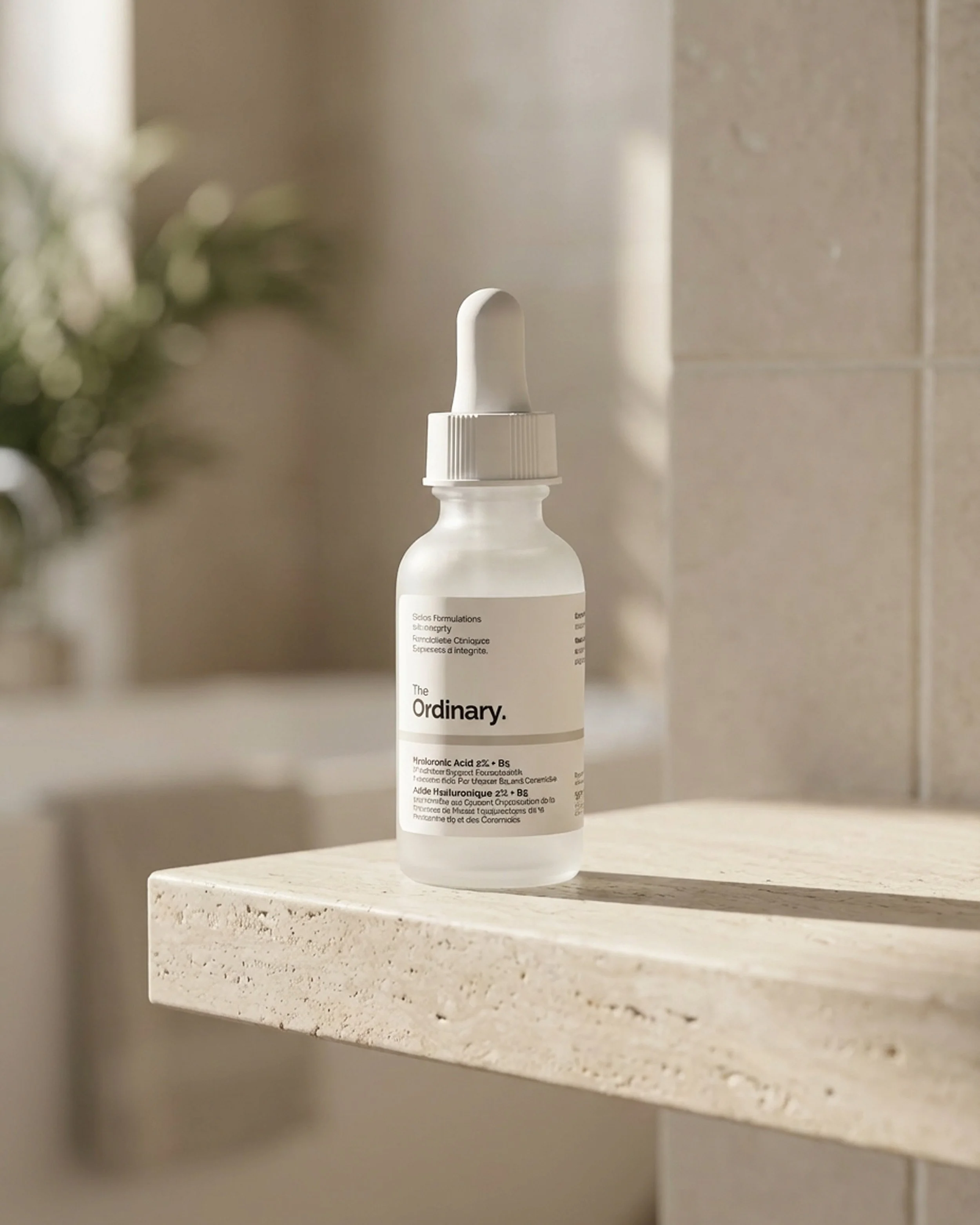
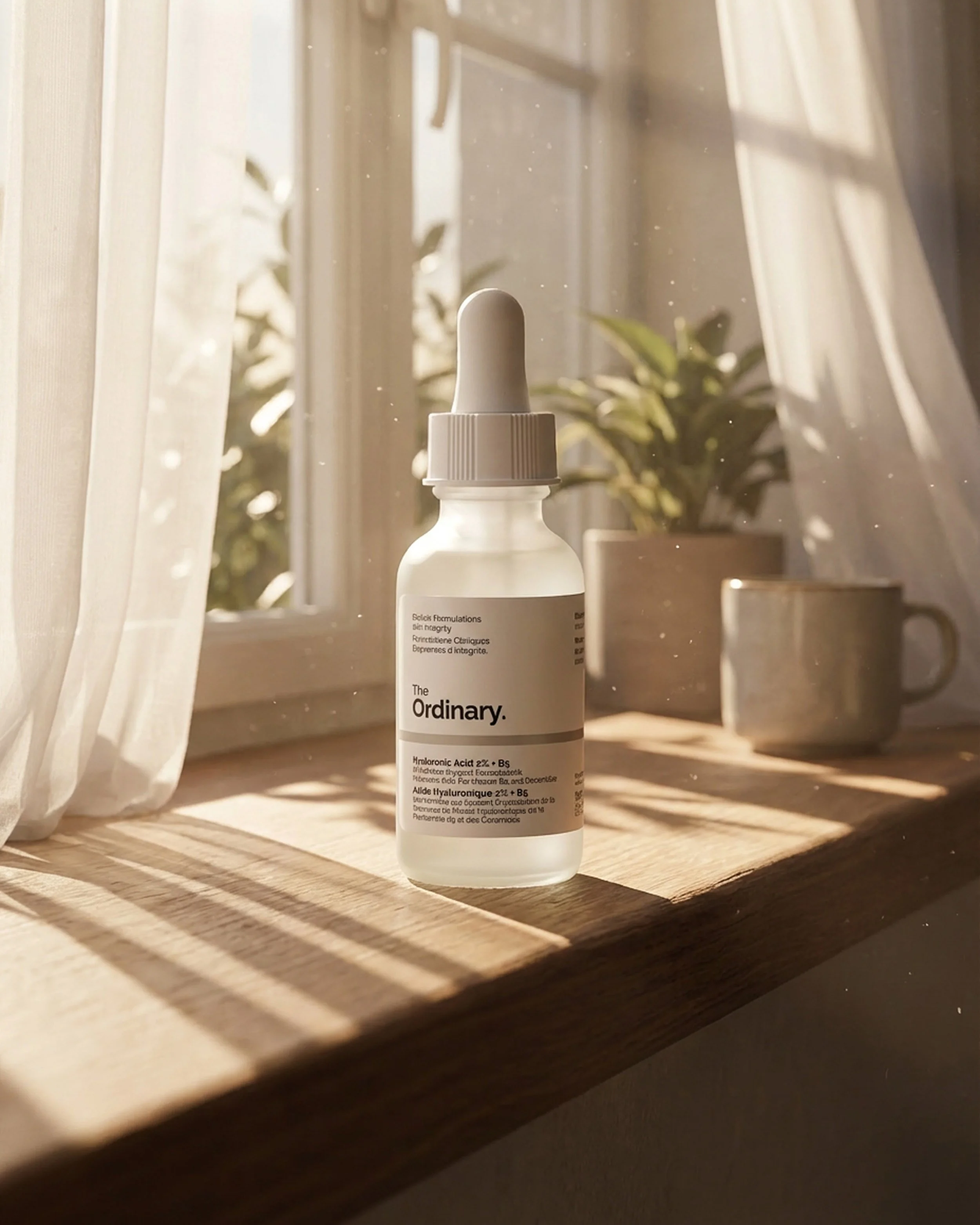
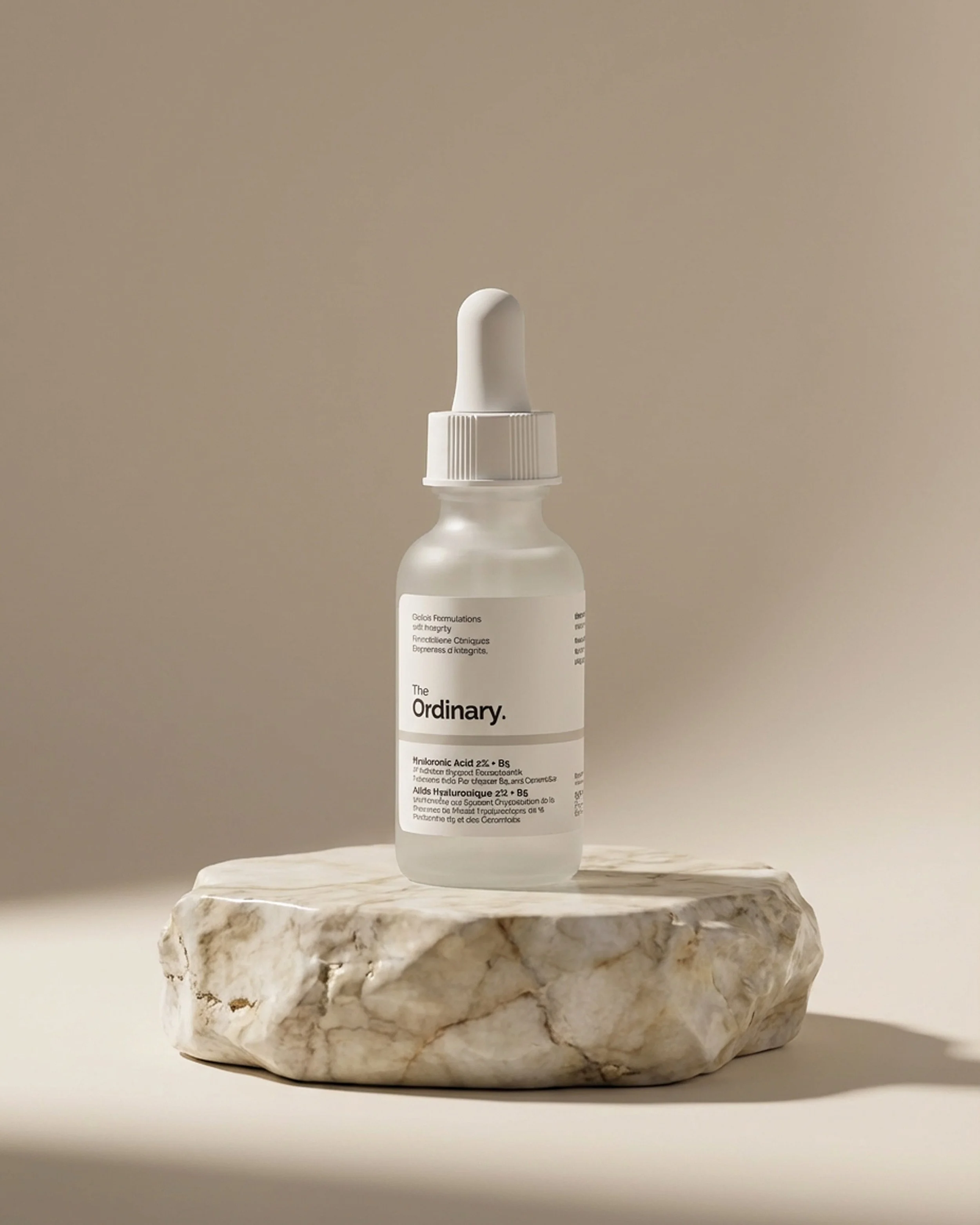
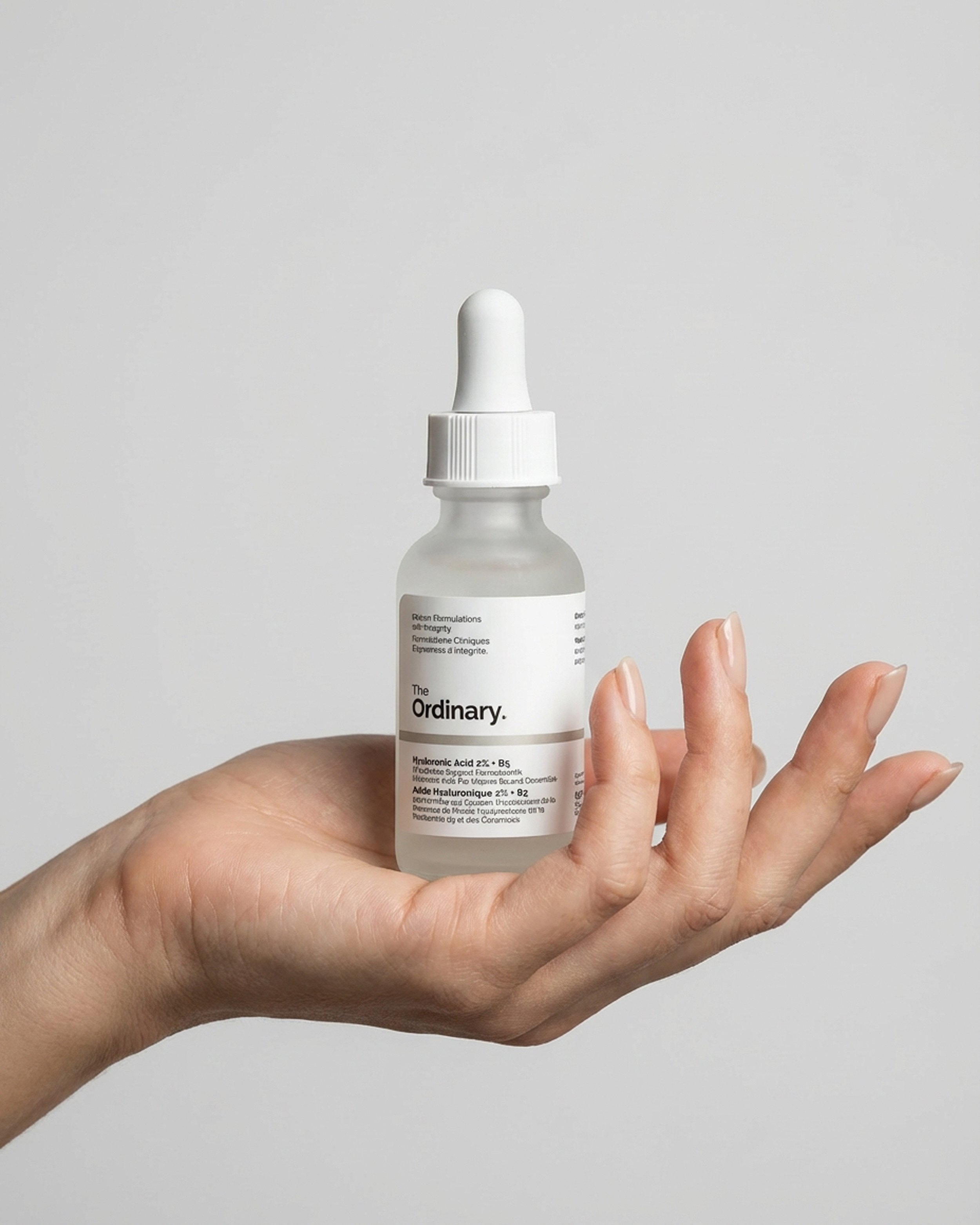
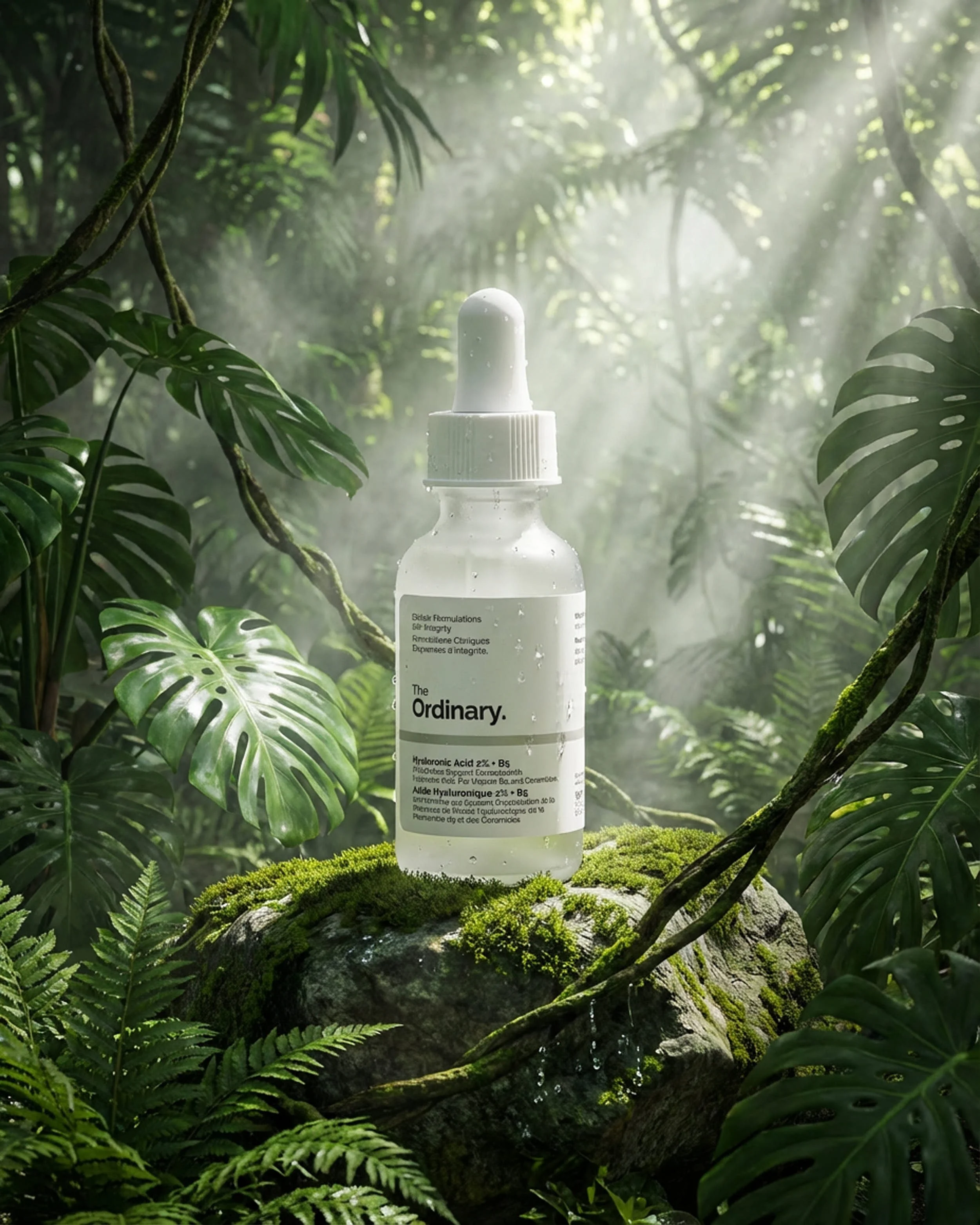
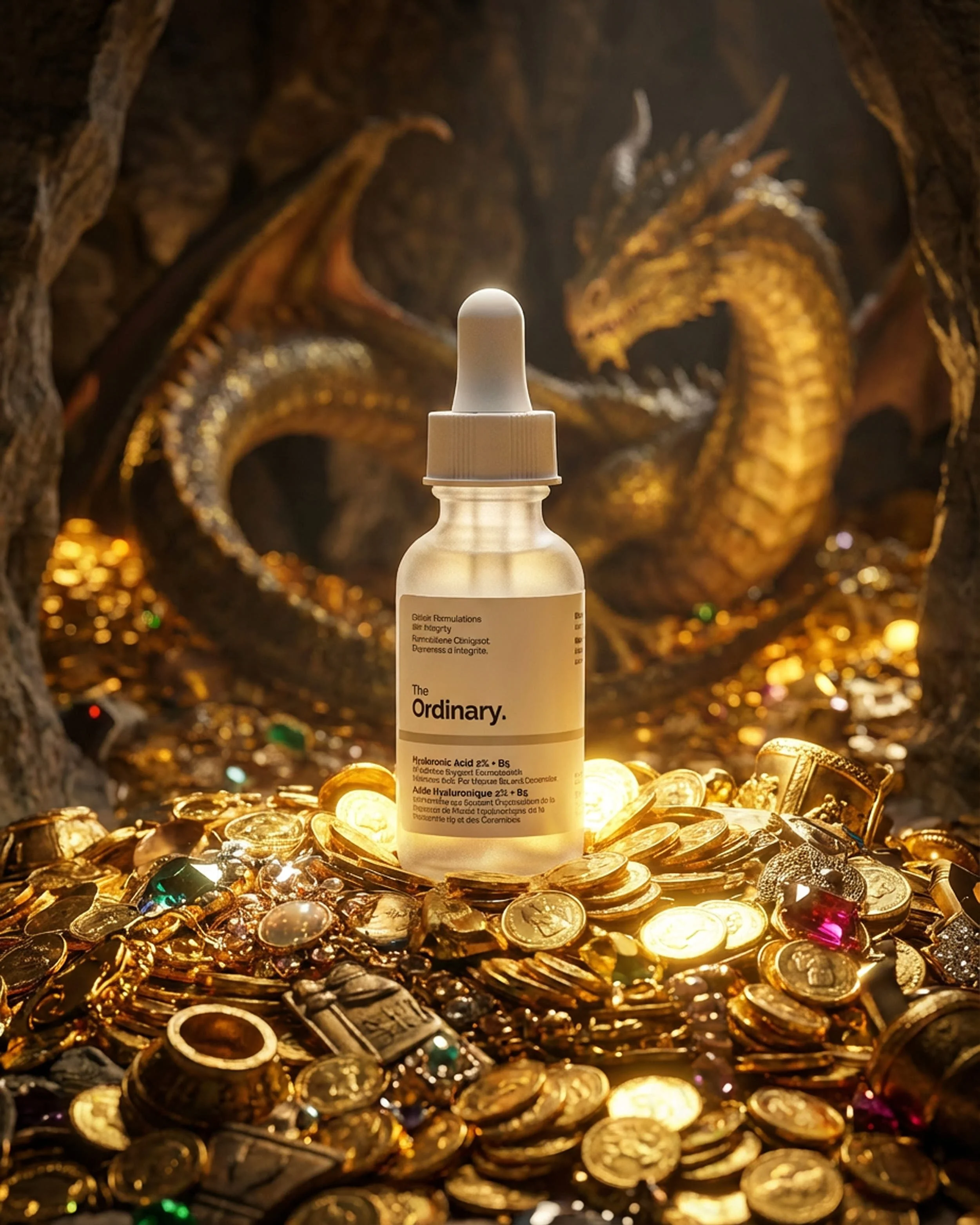
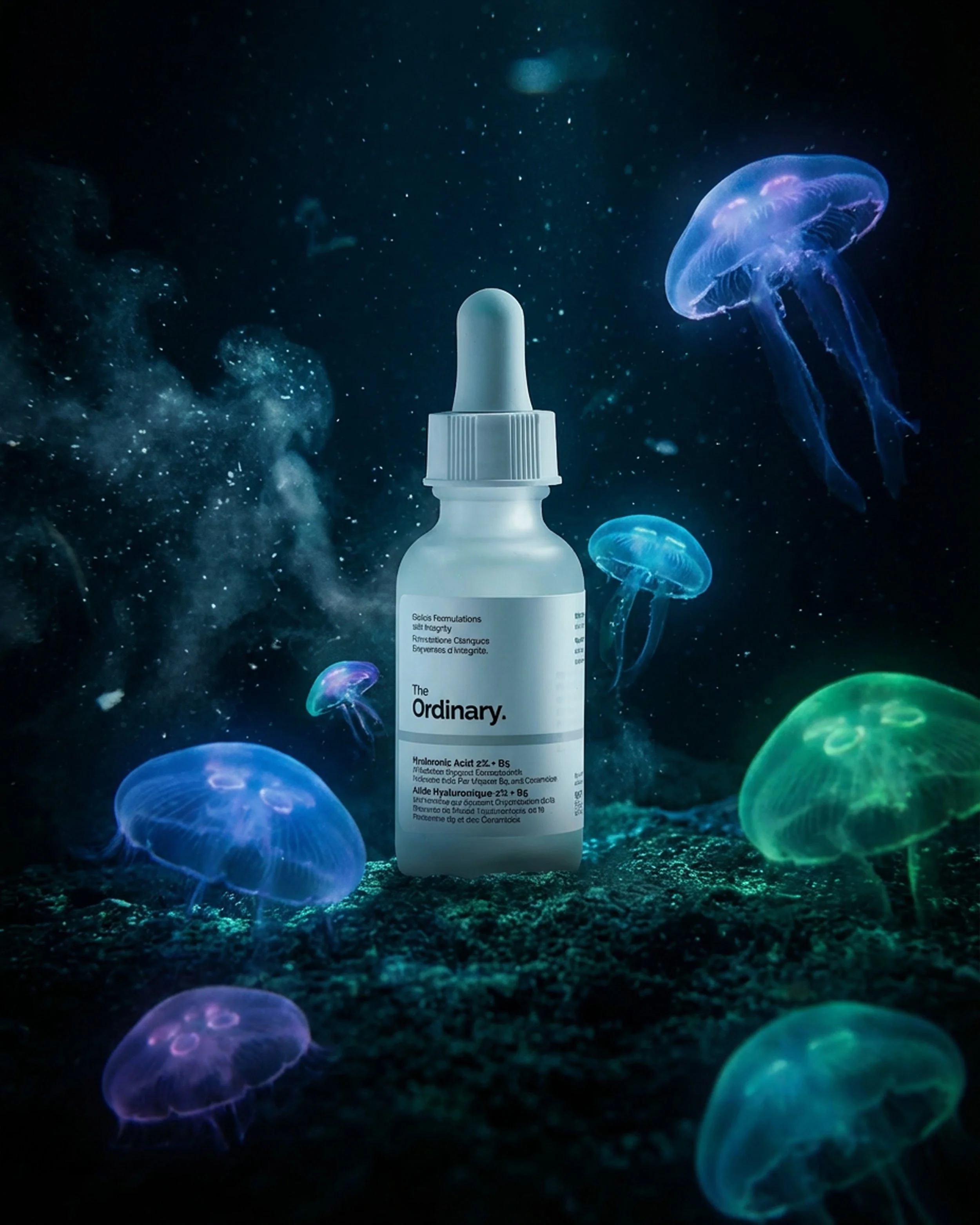
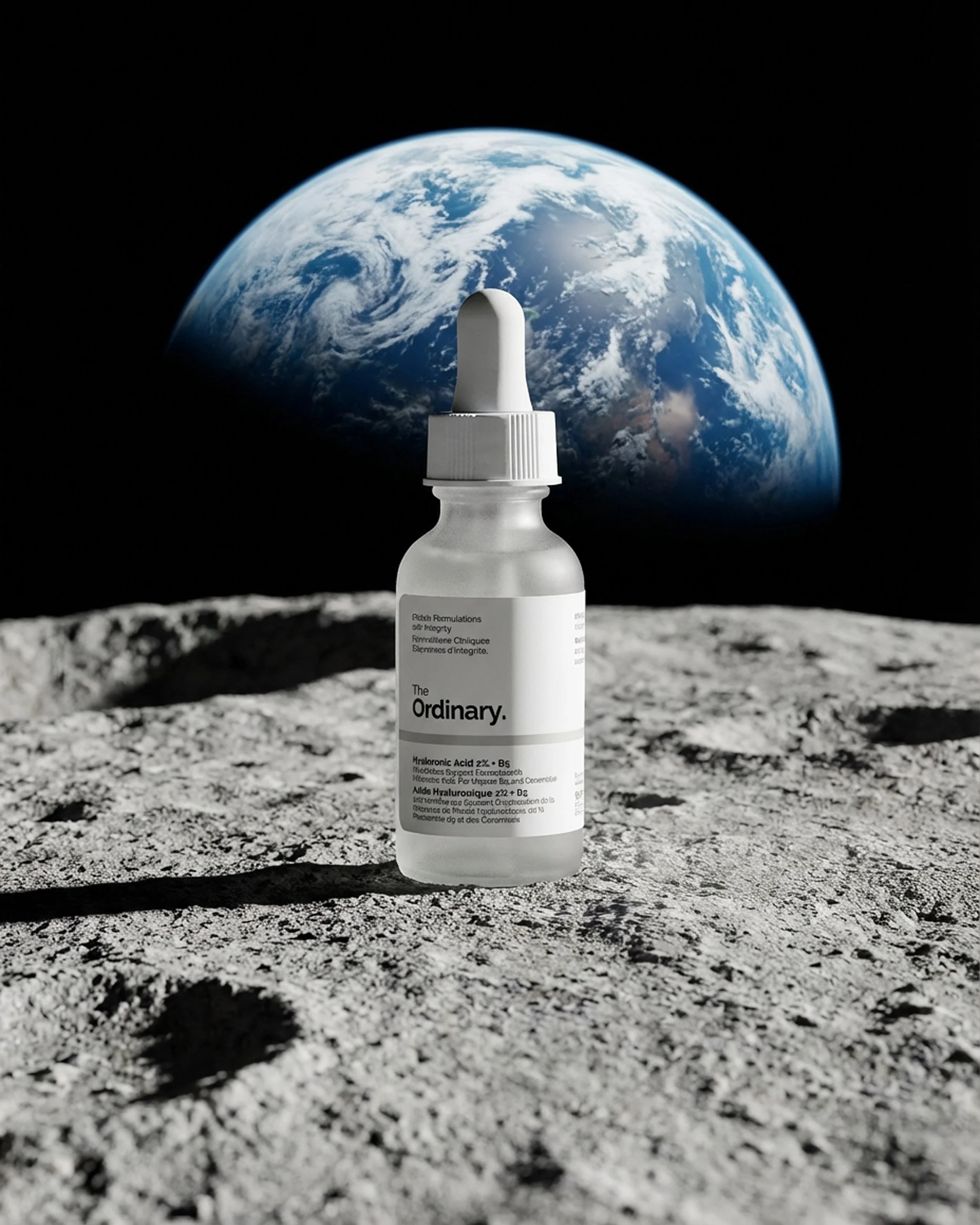
In this case, I used a skincare bottle as the subject and explored how the exact same product image could be transformed just by changing the lighting and surroundings, while keeping the bottle itself completely consistent across every frame.
The idea: same product, different worlds
Traditionally, if you wanted this kind of variety, you’d need multiple shoots.
A studio shoot.
A lifestyle shoot.
An outdoor shoot.
A conceptual shoot.
Each one would mean new lighting setups, new sets, potentially new models, and a lot of extra time and cost, not to mention the difficulty of keeping the product perfectly aligned and consistent across every environment.
With AI, that whole process can be flipped.
Instead of moving the product through the world, you move the world around the product.
The core concept was to show the bottle:
in natural environments
in minimal studio lighting
in surreal or impossible settings
All while keeping the bottle’s position, angle, and scale exactly the same.
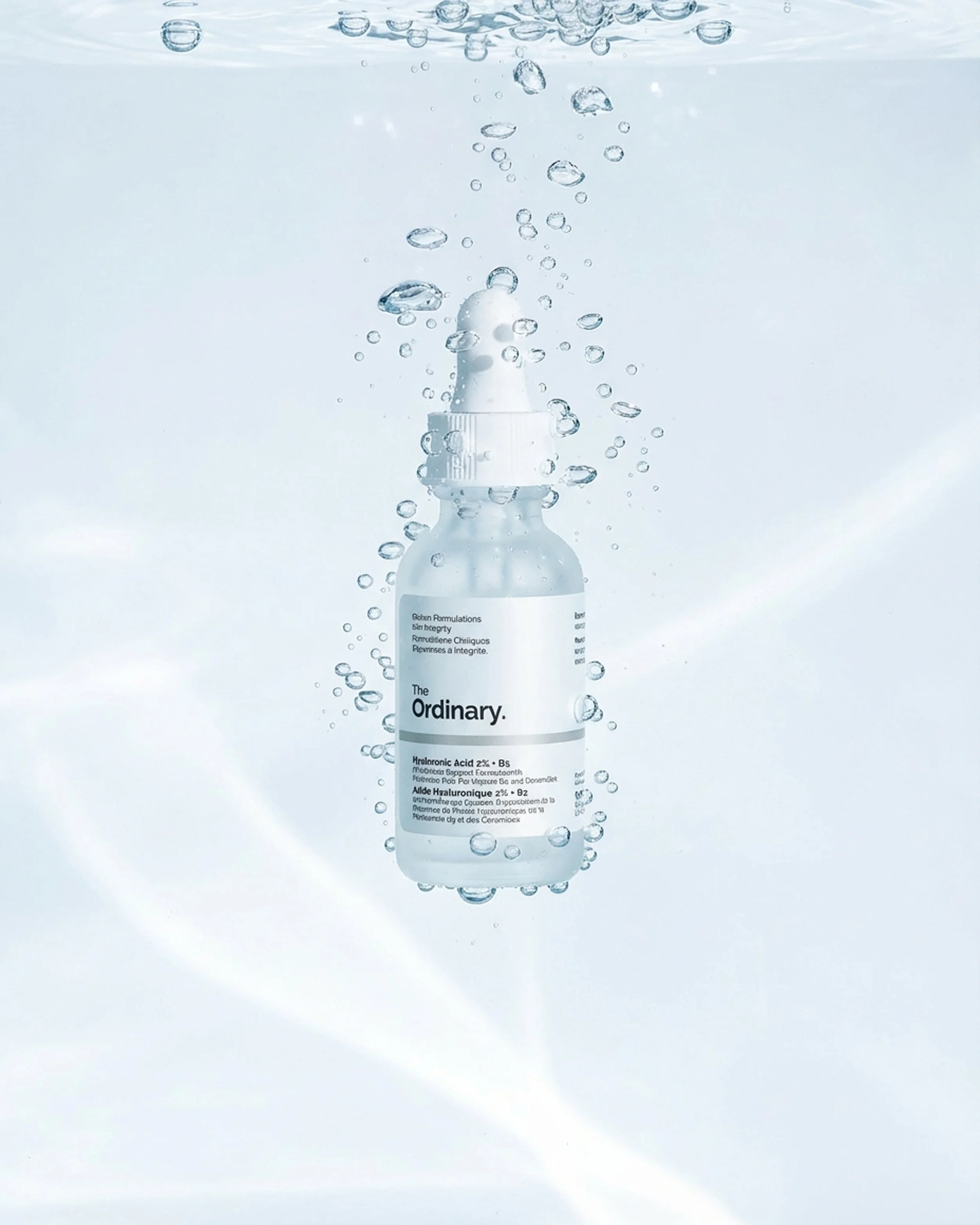
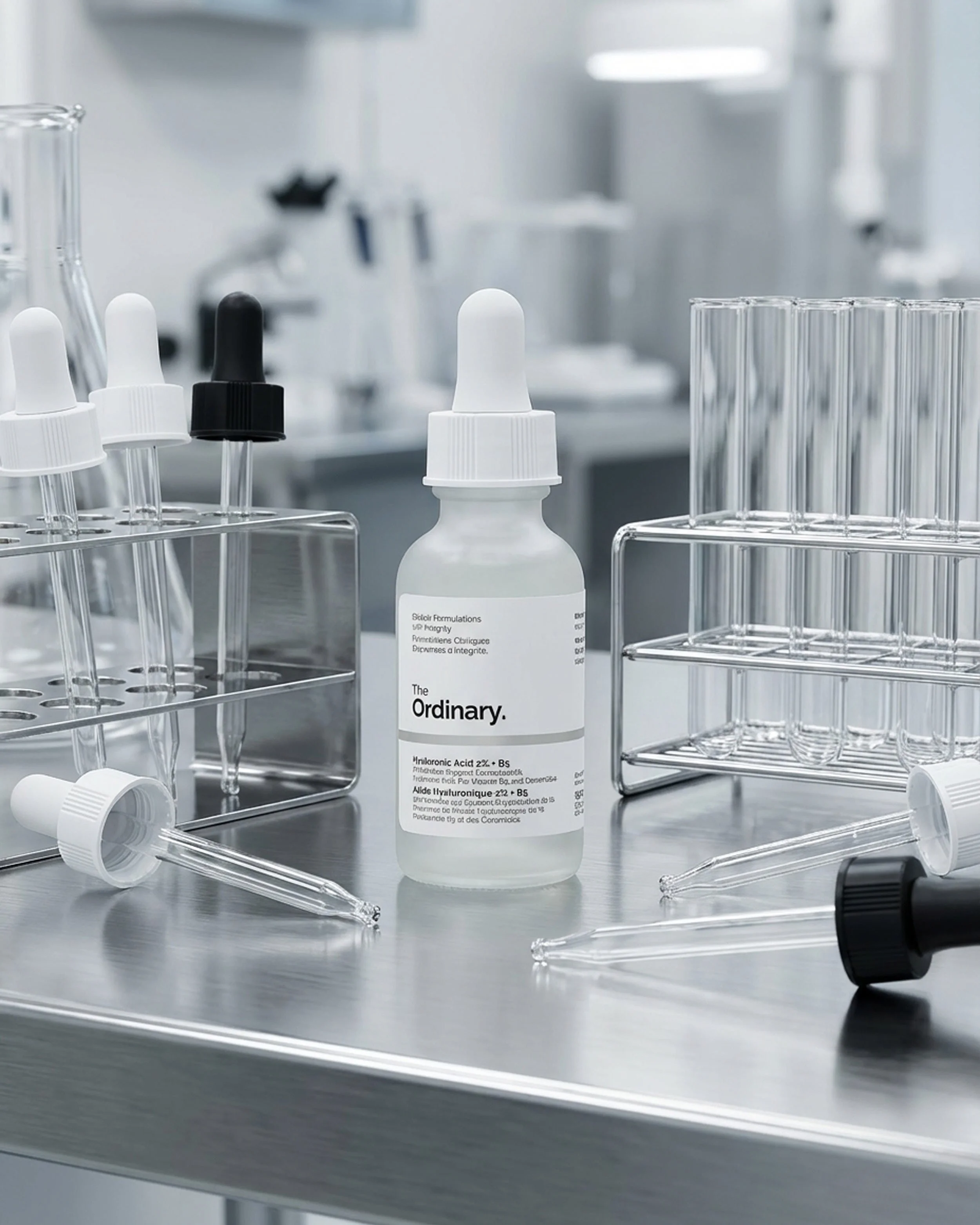
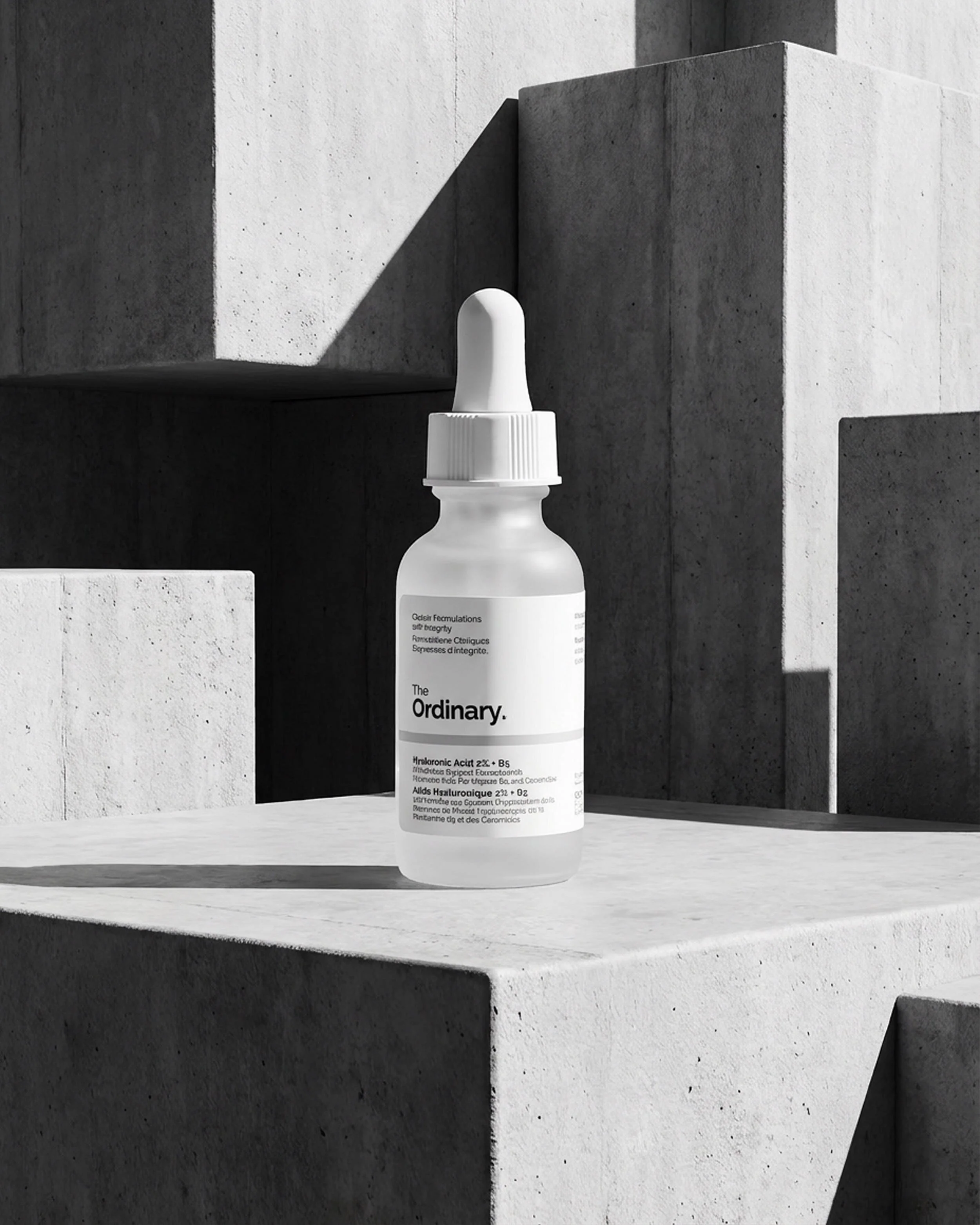
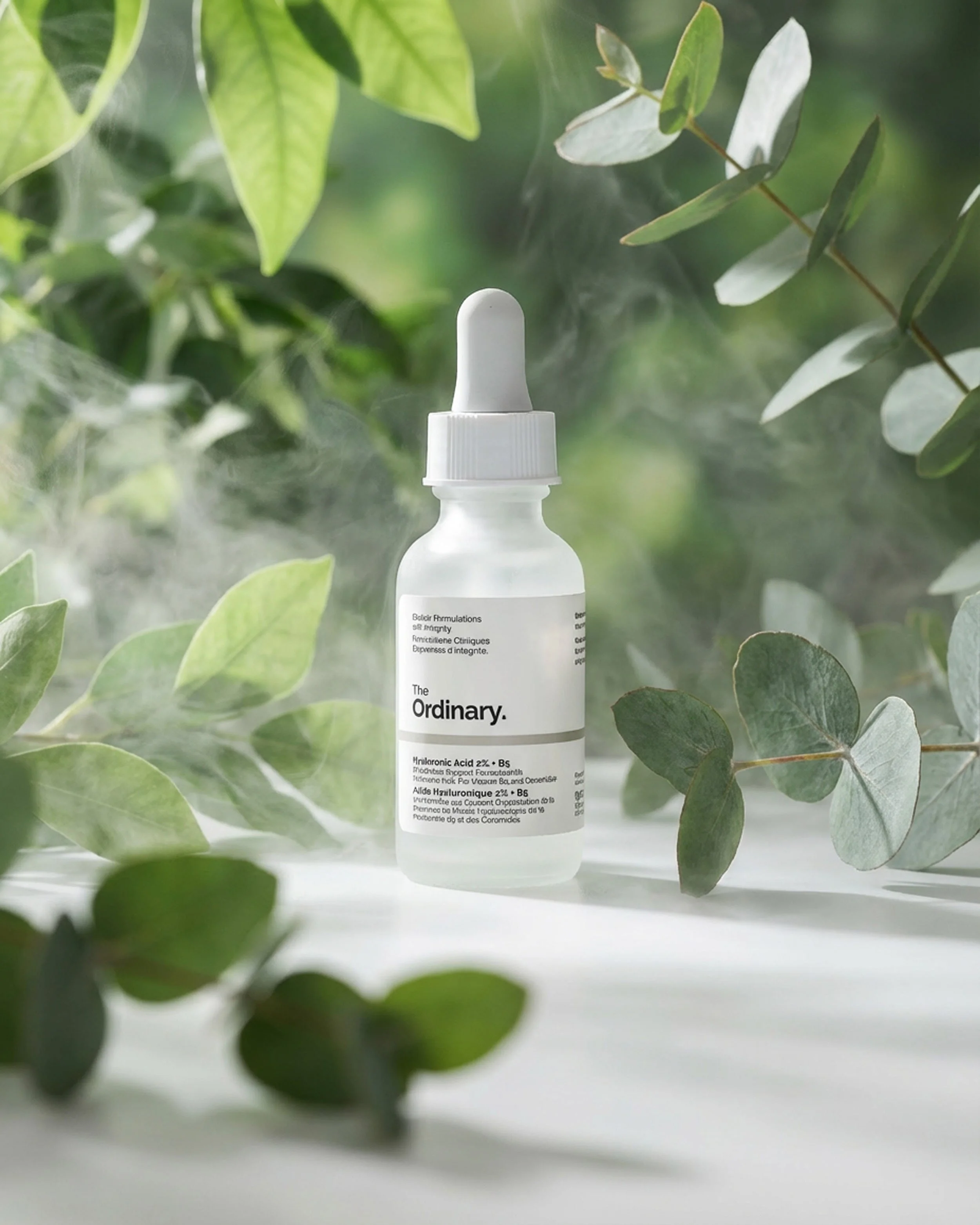
The process: locking the product in place
The first step was creating a strong, clean base image of the product, with good lighting, accurate reflections, and a neutral perspective that would work across lots of different scenes.
This base image becomes the anchor.
From there, AI is used to generate different environments and lighting scenarios around it, while the product itself remains fixed.
That includes:
background environments
surface textures
atmosphere and lighting
contextual elements
But not the bottle.
Once the AI scenes were generated, I then went through my usual retouching process, making sure shadows behaved correctly, lighting made physical sense, and the product still looked like it belonged in each environment.
The key here is that the product never changes, only the world it exists in.
Why this is so powerful for brands
From a branding point of view, this approach is incredibly useful.
It means you can create:
multiple campaign visuals
seasonal content
social media variations
website banners
ad creatives
All from a single source image.
That gives brands consistency in their product presentation, while still allowing for huge creative variety in how the product is shown.
You’re not reshooting the product every time.
You’re just reimagining the context.
Creative testing without creative risk
Another big advantage of working this way is that it makes experimentation almost risk-free.
You can test:
bold ideas
unusual environments
surreal concepts
different visual styles
Without committing to expensive production.
If something doesn’t work, you’ve lost a bit of time, not a whole shoot budget.
And if something does work, you’ve discovered a strong creative direction that you can either keep using in AI, or take into a real-world shoot later with much more confidence.
The bigger picture
This kind of workflow shows one of the most practical uses of AI in commercial photography, not replacing real product shots, but extending what you can do with them.
Instead of being limited by:
locations
logistics
budgets
and physical setups
You can build a whole visual world around a single image.
For brands that need lots of content, across lots of platforms, in lots of styles, that flexibility is incredibly valuable.
And from a creative point of view, it means you’re no longer choosing between consistency and imagination, you can finally have both.