
Case Study: Visualising an Adventure Watch Campaign with AI
A lot of the time when I talk about AI photography, it’s in the context of small brands and practical problems, but one of the most interesting things about it creatively is what it allows you to explore when you remove physical limits altogether.
This project started as a personal concept, using a Casio G-Shock watch as the subject, and the idea was simple, what would a full-scale, global adventure campaign look like if you could design it without worrying about locations, logistics, or production budgets.
G-Shock watches are built around durability and adventure, so the visual language is usually quite bold, dramatic, and action-led, which makes them a really good example of the kind of brand that traditionally needs huge productions to communicate its identity properly.
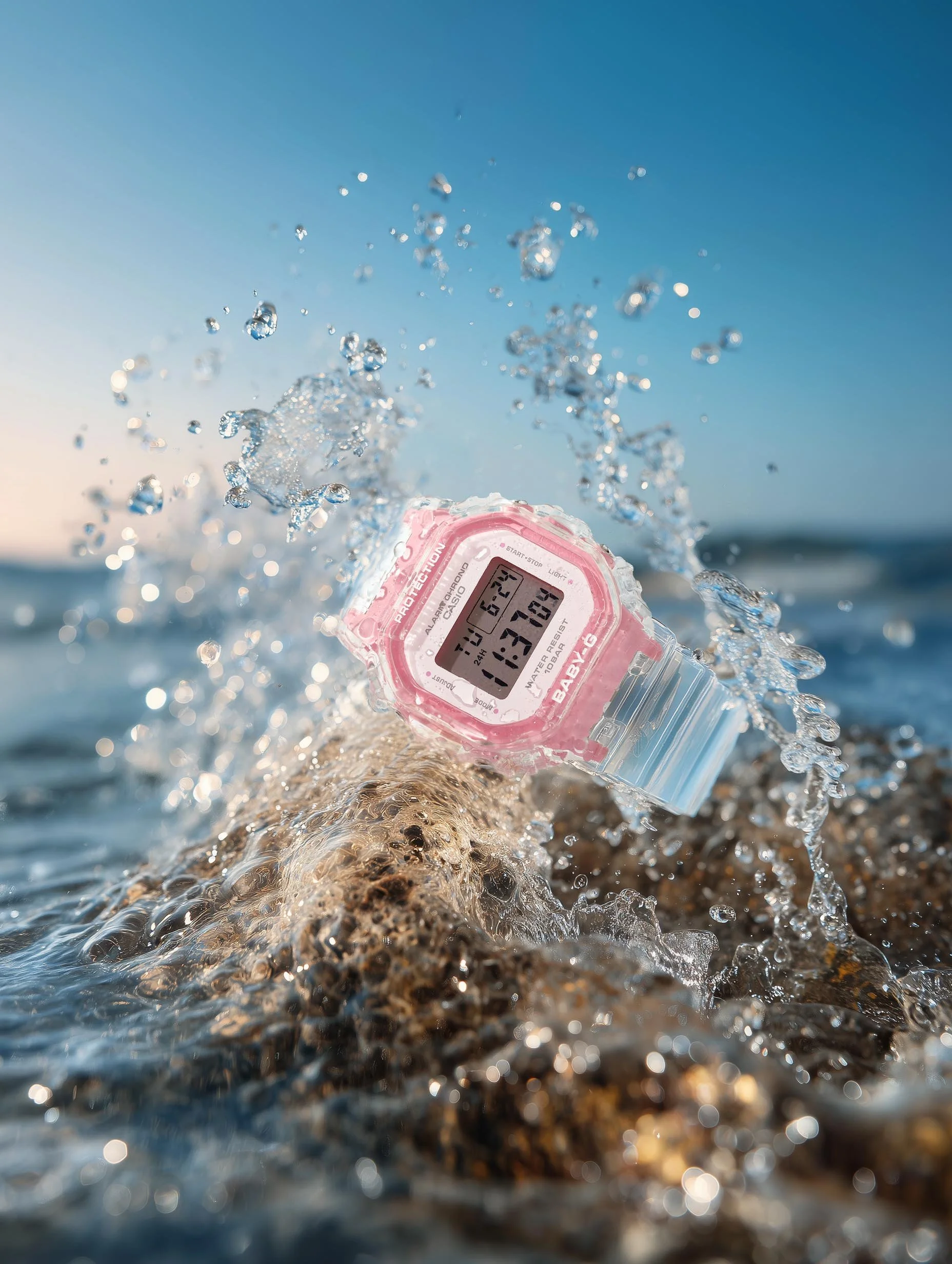
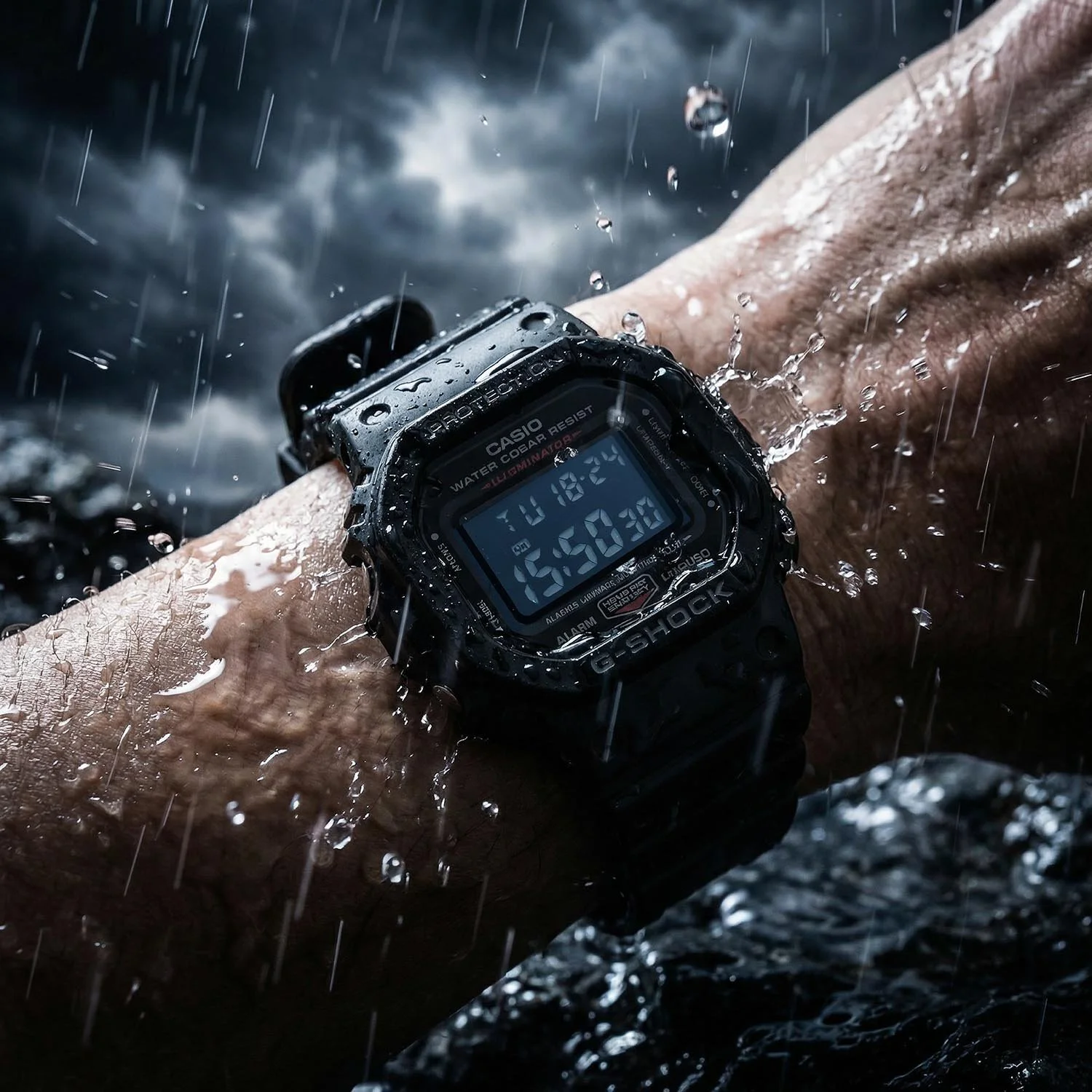
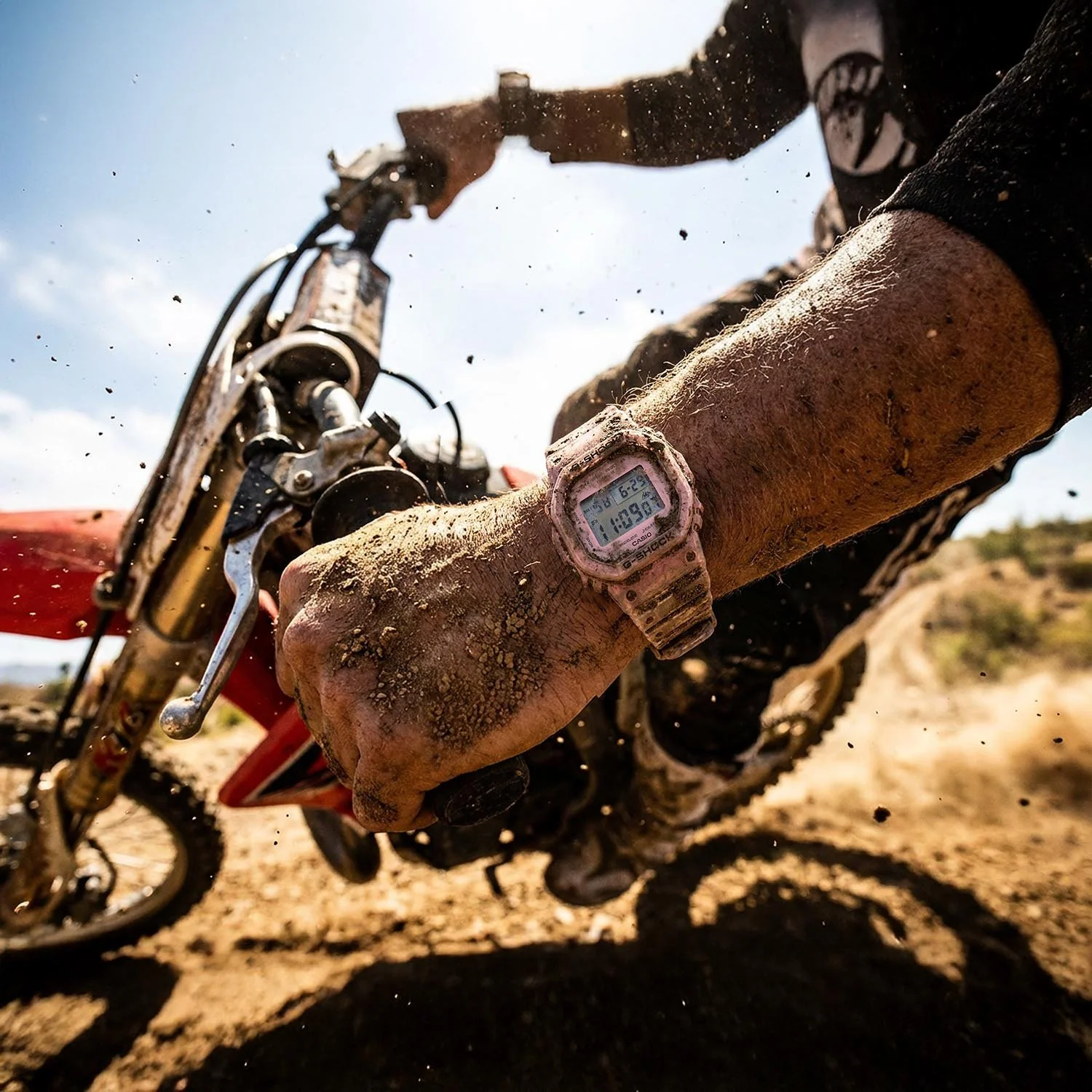
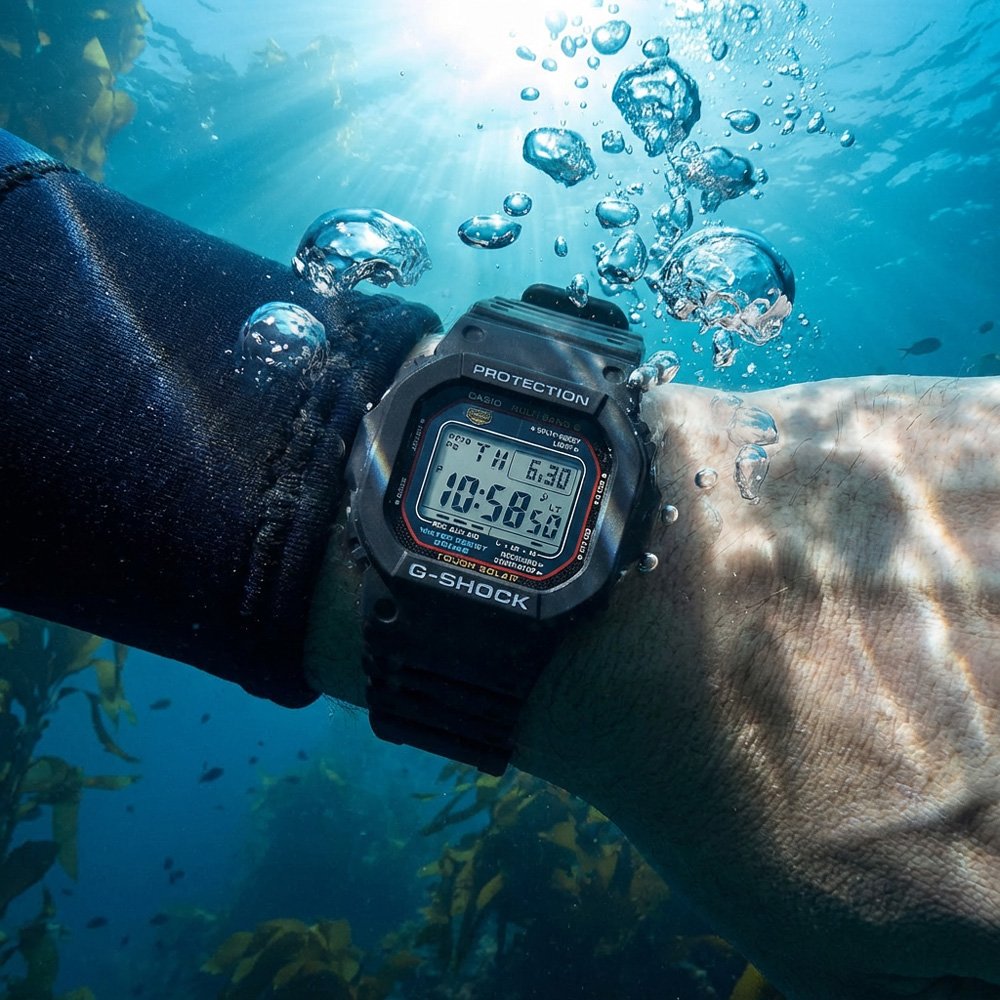
The idea: one product, multiple extreme environments
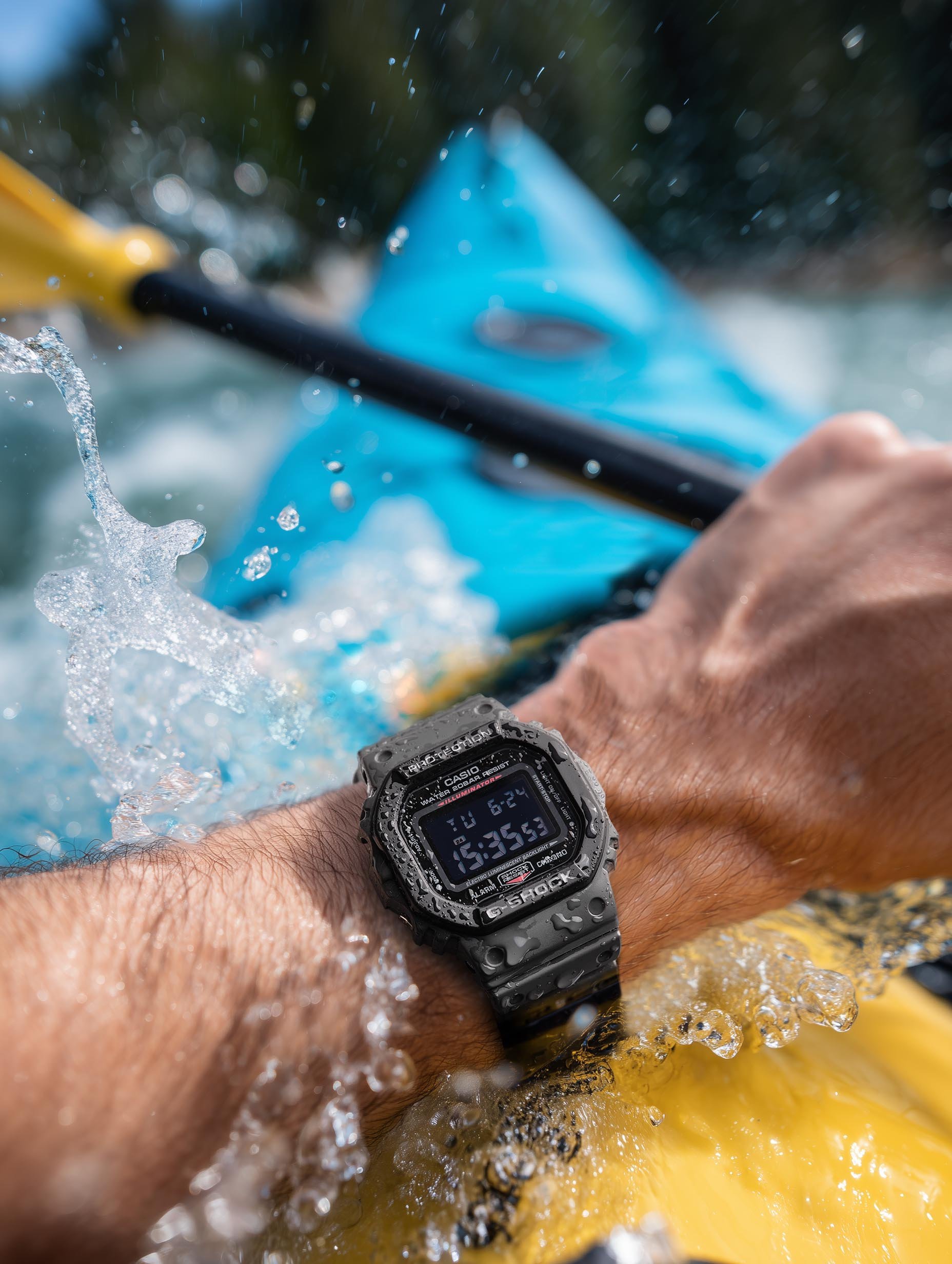
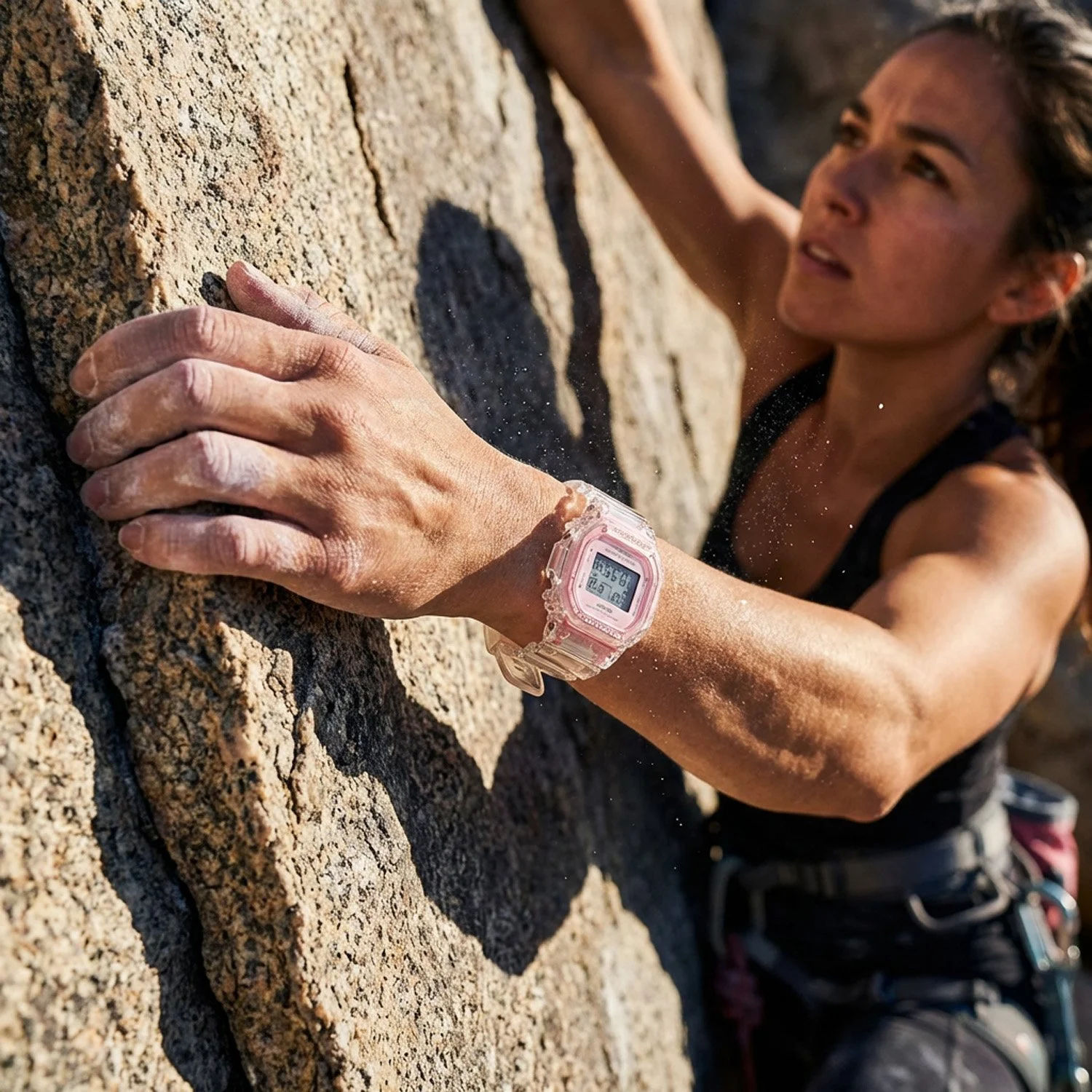
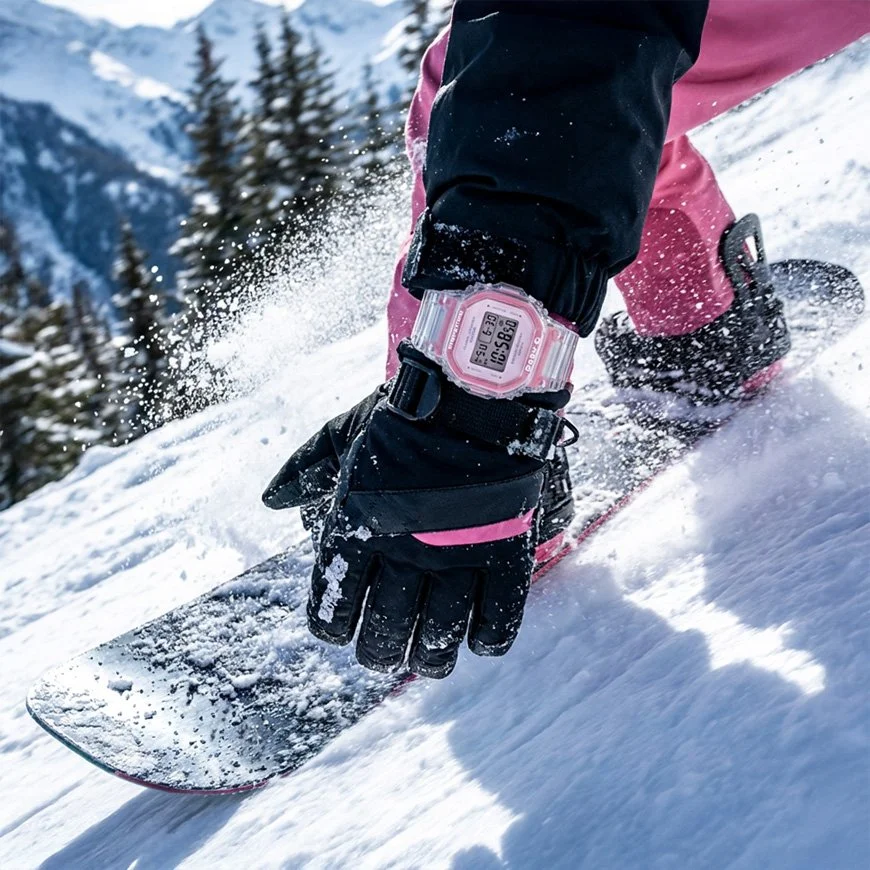
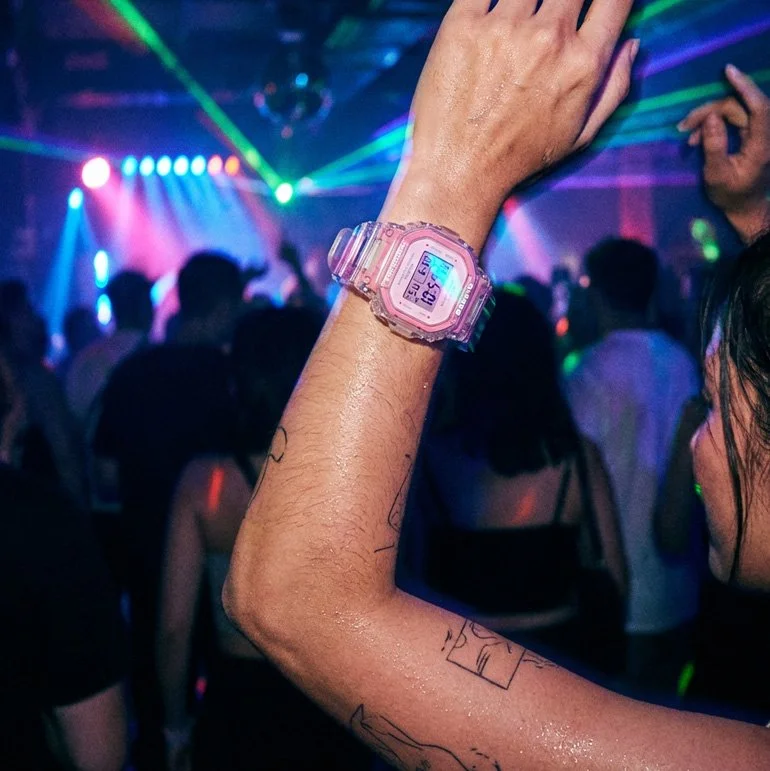
The concept was to create a set of campaign-style images showing the same watch in a series of adventurous, high-impact locations, the kind of places that would normally require international travel, specialist crews, and very careful planning.
The environments included:
Mountain landscapes
Extreme sports
Underwater scenes
Urban night environments
Harsh weather conditions
All centred around the same product, with a consistent, cinematic visual style.
The aim wasn’t realism in a documentary sense, but realism in a photographic sense, the images needed to feel like they could plausibly come from a real global campaign, even if the campaign itself never existed.
The challenge: scale and consistency
From a traditional photography point of view, this kind of project would normally be almost impossible for one person to produce.
You’d need:
Multiple international locations
Specialist lighting setups
Complex logistics
And a very large budget
Even coordinating a single shoot of this scale would be difficult, let alone several different environments with consistent lighting, angles, and product presentation.
With AI, the challenge shifts.
Instead of logistics, the real work becomes:
Creative direction
Visual consistency
Lighting logic
And technical accuracy
Which is where real photography experience becomes essential.
The process: designing a campaign rather than generating images
Rather than treating each image as a standalone piece, I approached this like a real advertising campaign, starting with a clear visual concept and then designing each scene to fit within the same overall world.
I thought about:
Camera angles
Lens perspective
Product scale
Light direction
Colour grading
And how the watch should behave in each environment
AI was used to generate the environments and place the product into them, but the scenes were then refined manually, adjusting lighting, rebuilding shadows, correcting reflections, and making sure the watch itself stayed accurate and consistent across every image.
The goal was that if you laid all the images out together, they’d feel like they belonged to the same campaign, not just a collection of unrelated AI visuals.
Why this kind of project works so well with AI
This is where AI becomes really interesting creatively, because it allows you to explore ideas that would normally only be available to very large brands with very large budgets.
You can visualise:
Global campaigns
Extreme environments
Cinematic concepts
And physically impossible scenarios
Without:
Travel
Crew
Permits
Or physical production limits
Which makes AI incredibly powerful as a concept and visualisation tool, not just for final marketing images, but also for pitching ideas, testing creative directions, and building campaign concepts before committing to real-world production.
The bigger picture
Although this wasn’t a real commercial campaign, it’s a good example of how AI can be used to think at a much bigger creative scale, even for individual creators or small studios.
It shows that AI isn’t just about replacing stock photography or filling gaps in small budgets, it can also be used to prototype ambitious visual ideas, explore brand storytelling, and design campaigns that would normally be completely out of reach.
And honestly, that’s one of the parts I find most exciting, not using AI to make things smaller or cheaper, but using it to think bigger, experiment more, and push creative ideas further than traditional photography would normally allow.