
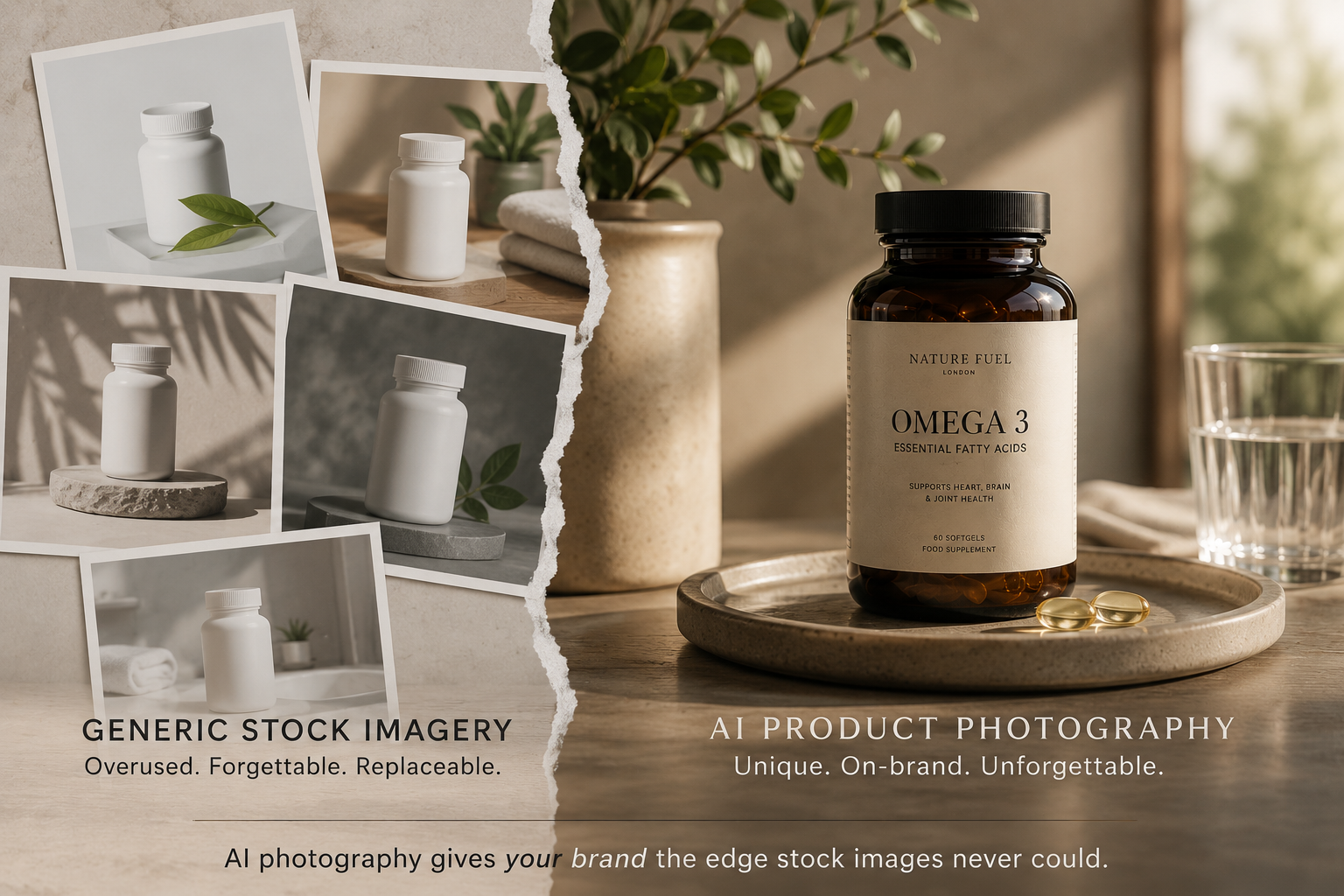
Why AI Product Photography Is Quietly Killing Generic Stock Imagery
Is AI product photography replacing stock imagery? Discover why more brands are moving away from generic stock photos and towards bespoke, believable visuals created using real product photography and AI. Learn how strong art direction, realism and custom environments are helping brands stand out without the cost of large-scale shoots.
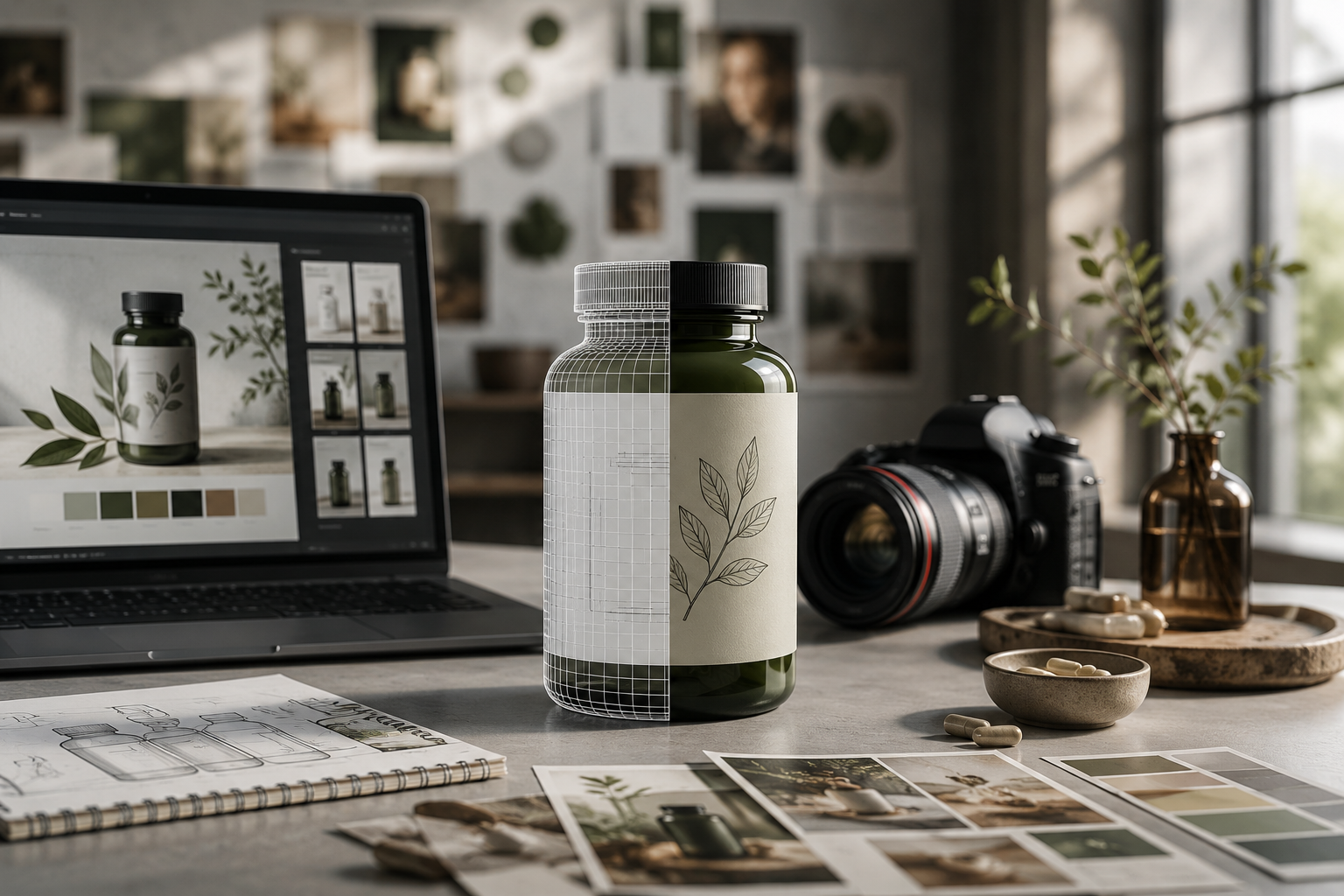
The New Product Launch Playbook: Why Brands Are Creating Campaigns Before Their Products Exist
Discover how brands are using AI product photography and visualisation to build campaigns before products even exist. Learn how businesses are testing packaging, marketing messages and creative concepts before launch, reducing risk, improving decision-making and creating stronger product launches without the cost of traditional campaign production.

Why the Most Successful AI Images Don't Look Like AI Images
The most effective AI images often don't look AI-generated at all. Discover why realism, photographic knowledge and strong art direction are becoming more important as brands move beyond obvious AI visuals. Learn how believable, authentic imagery builds trust, strengthens brand identity and delivers better marketing results than technology-focused content.
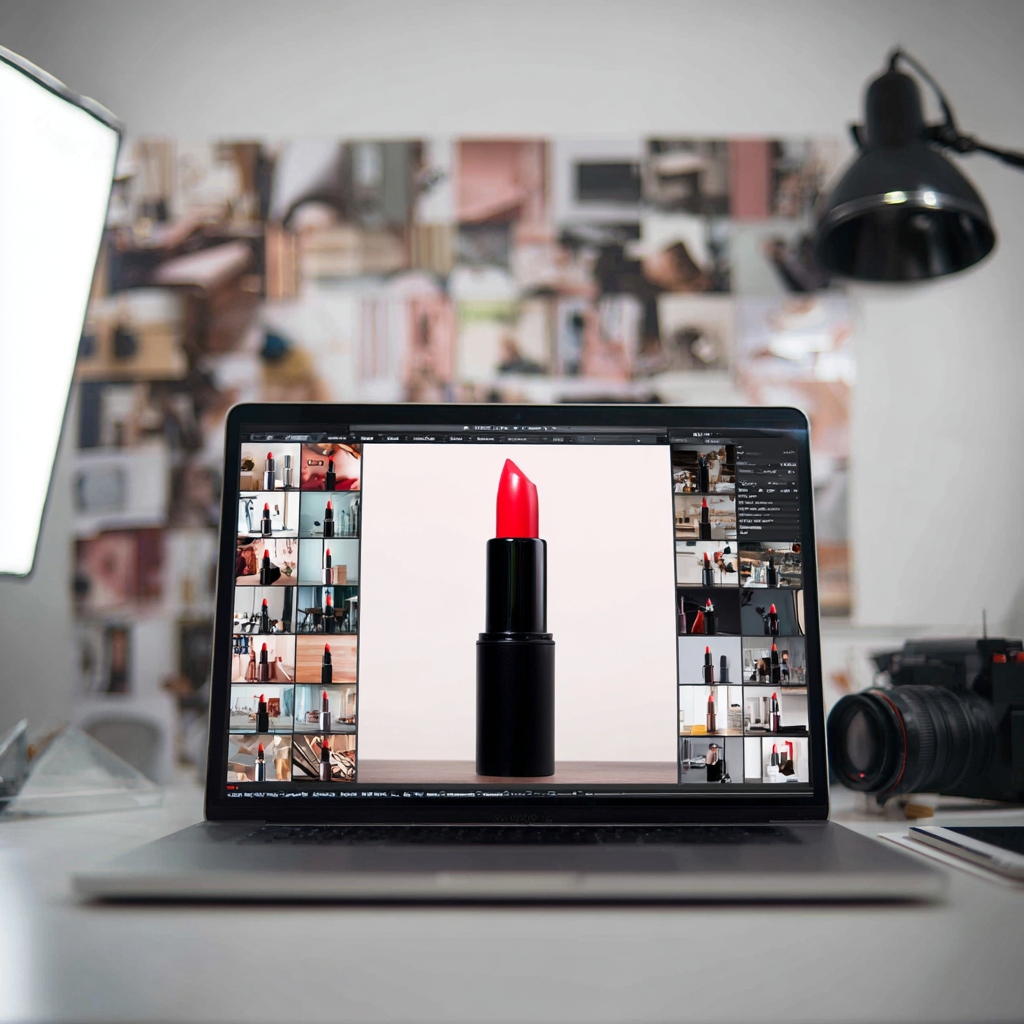
Why AI Won’t Kill Photography – It Will Make Good Photography More Valuable
Why AI won’t kill photography, but make it more valuable. In this article, photographer Hannah Webster explains how strong source images, real lighting and camera knowledge give AI its realism, why bad photography weakens AI results, and how a hybrid approach makes real photoshoots more powerful than ever for modern brand imagery.
The New Visual Budget: How Brands Can Do 10 Shoots for the Price of 1
How AI is changing the visual budget for brands. In this article, photographer Hannah Webster explains how one high-quality product shoot can become the foundation for multiple campaigns, locations and styles using AI, allowing brands to test ideas, create more content and build stronger visual identity without the cost and risk of repeated traditional photoshoots.
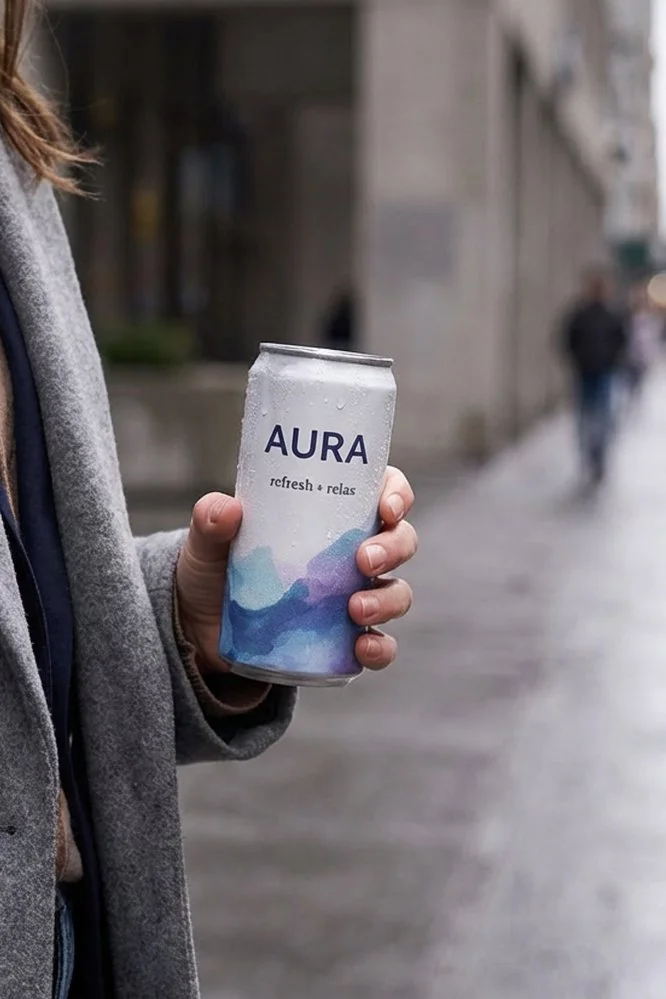
Case Study: A healthy drink
In this concept case study, photographer Hannah Webster shows how one studio photo of a healthy drink can be turned into a month’s worth of social media, ad and website visuals using AI. The article explores how brands can build a consistent, flexible content system, creating fresh, on-brand imagery without repeated shoots or high production costs.
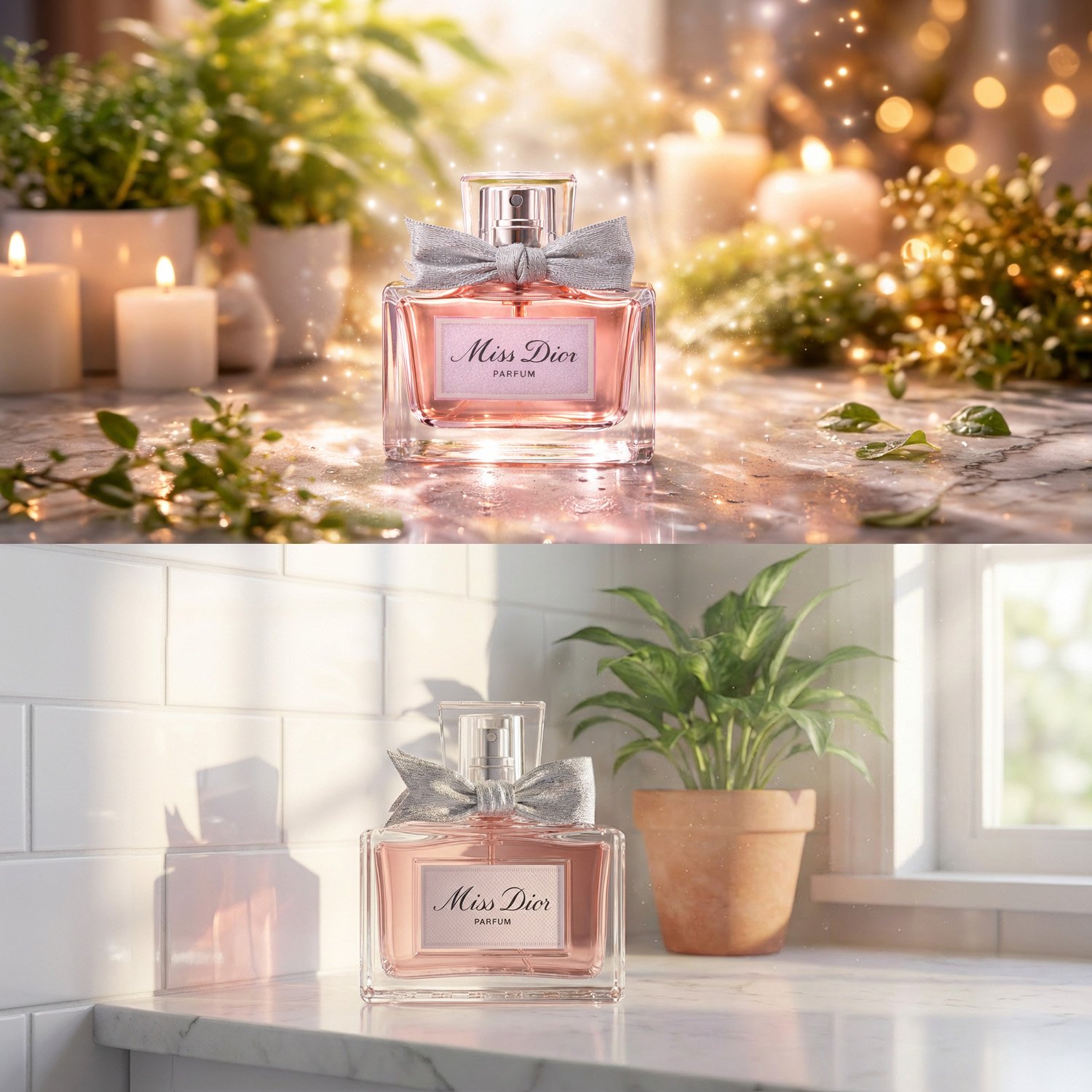
Why “Good Enough” AI Images Are Quietly Damaging Your Brand
Why “good enough” AI images can quietly damage your brand. In this article, photographer Hannah Webster explores how generic, low-effort AI visuals erode trust, weaken brand identity and reduce emotional connection, and why strong creative direction is the key to using AI well rather than letting it dilute what makes a brand special.
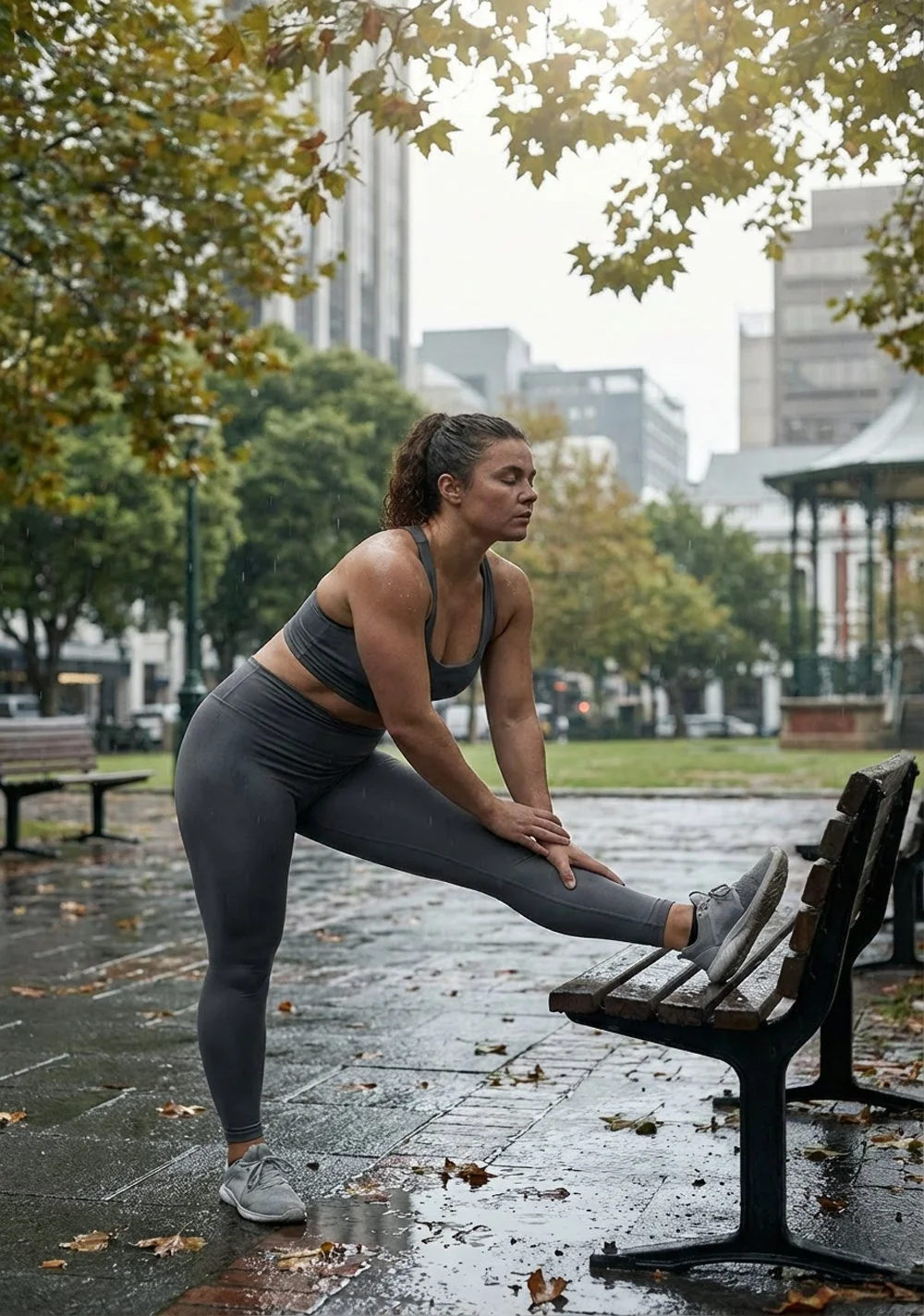
Case study: From Flat to Fashion Editorial
In this concept case study, photographer Hannah Webster shows how simple flat-lay and studio photos of an activewear range can be transformed into high-end fashion and lifestyle imagery using AI. The article explores how brands can create campaign-ready visuals, more content and stronger brand identity without reshooting products or funding expensive editorial shoots.
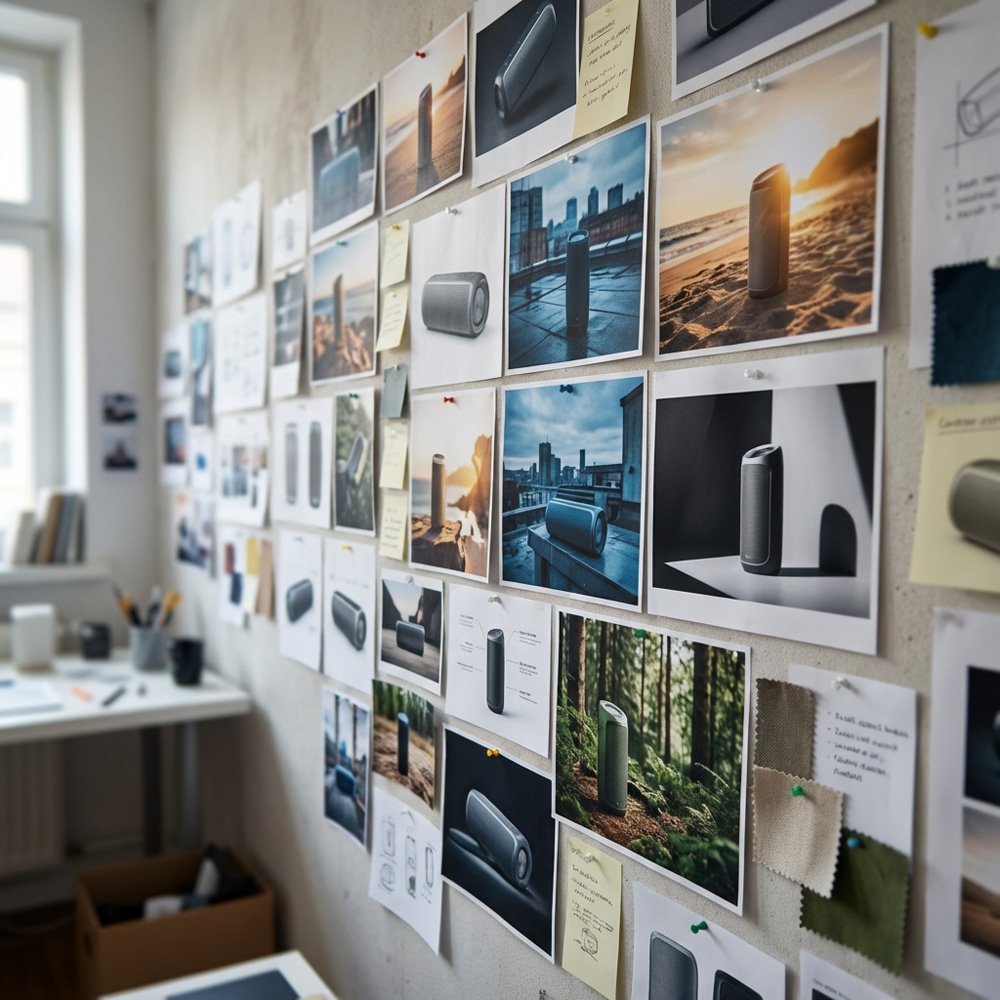
From Product Shot to Visual Story: How Brands Should Think About AI
How brands can turn product photos into visual stories using AI. In this article, photographer Hannah Webster explains how AI allows one product image to exist in many environments, helping brands build emotional connection, visual consistency and a stronger narrative across their marketing instead of relying on isolated, transactional images.
How Art Direction Still Matters in an AI World
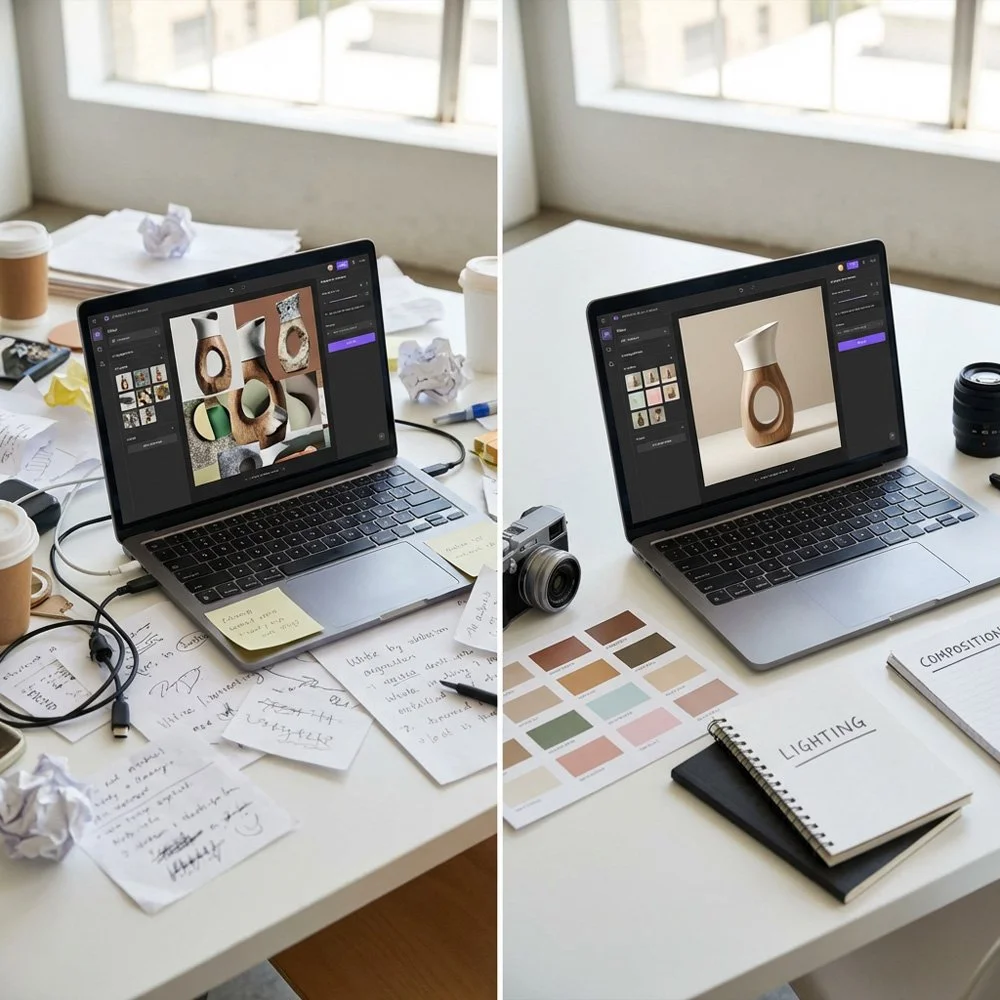
How art direction still matters in an AI world. In this article, photographer Hannah Webster explains why strong visual leadership, creative intent and photography knowledge are more important than ever when using AI, and how art direction gives meaning, consistency and emotional depth to AI-generated brand imagery rather than letting it drift into generic visuals.
Case Study: One Product, Ten Worlds
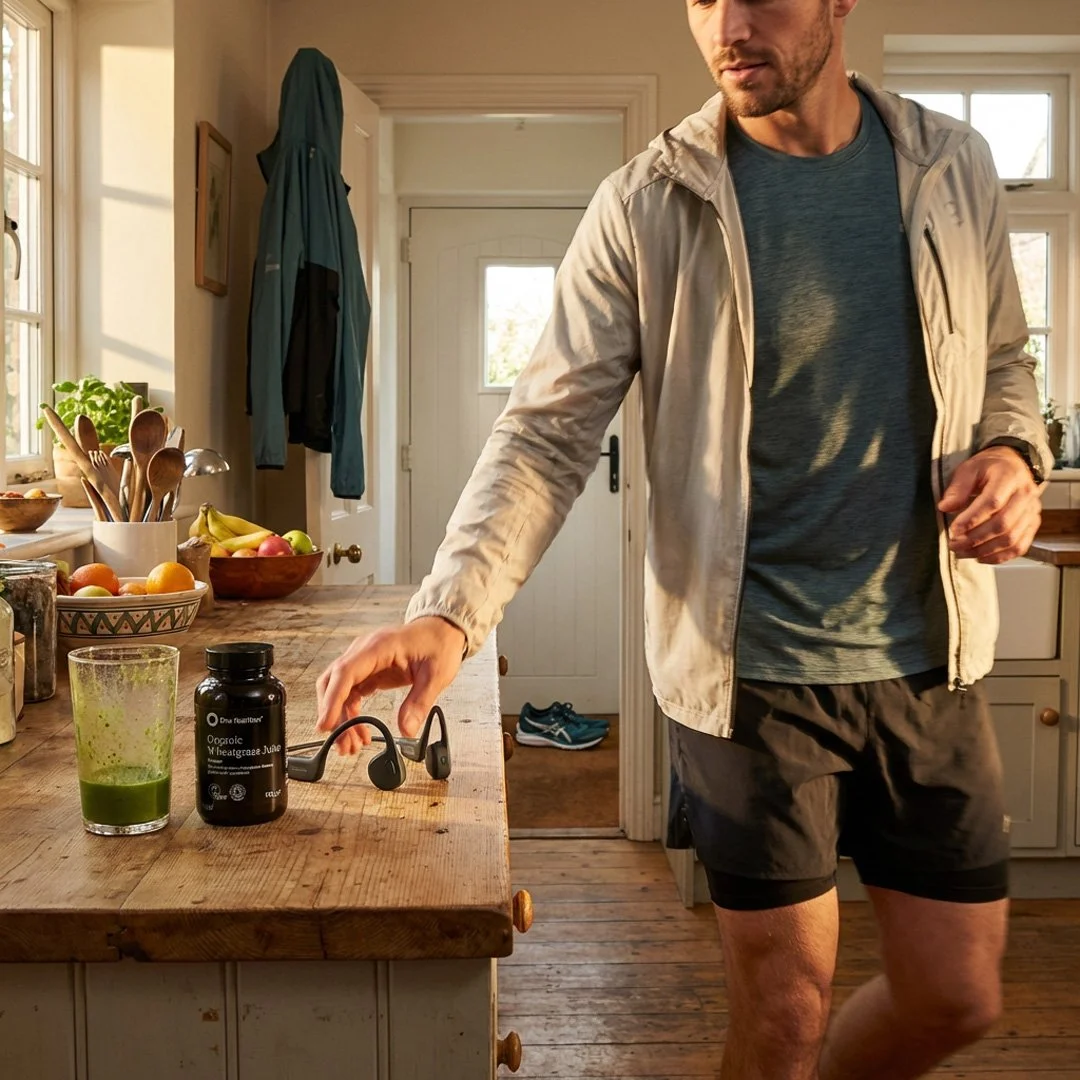
In this concept case study, photographer Hannah Webster shows how one studio photo of health supplement tablets can be transformed into multiple campaign visuals using AI. The article explores how wellness brands can create clinical, lifestyle and nature-led imagery from a single shoot, expanding content, testing creative ideas and building stronger brand presence without the cost of repeated photoshoots.
Case study: The Impossible Location Shoot
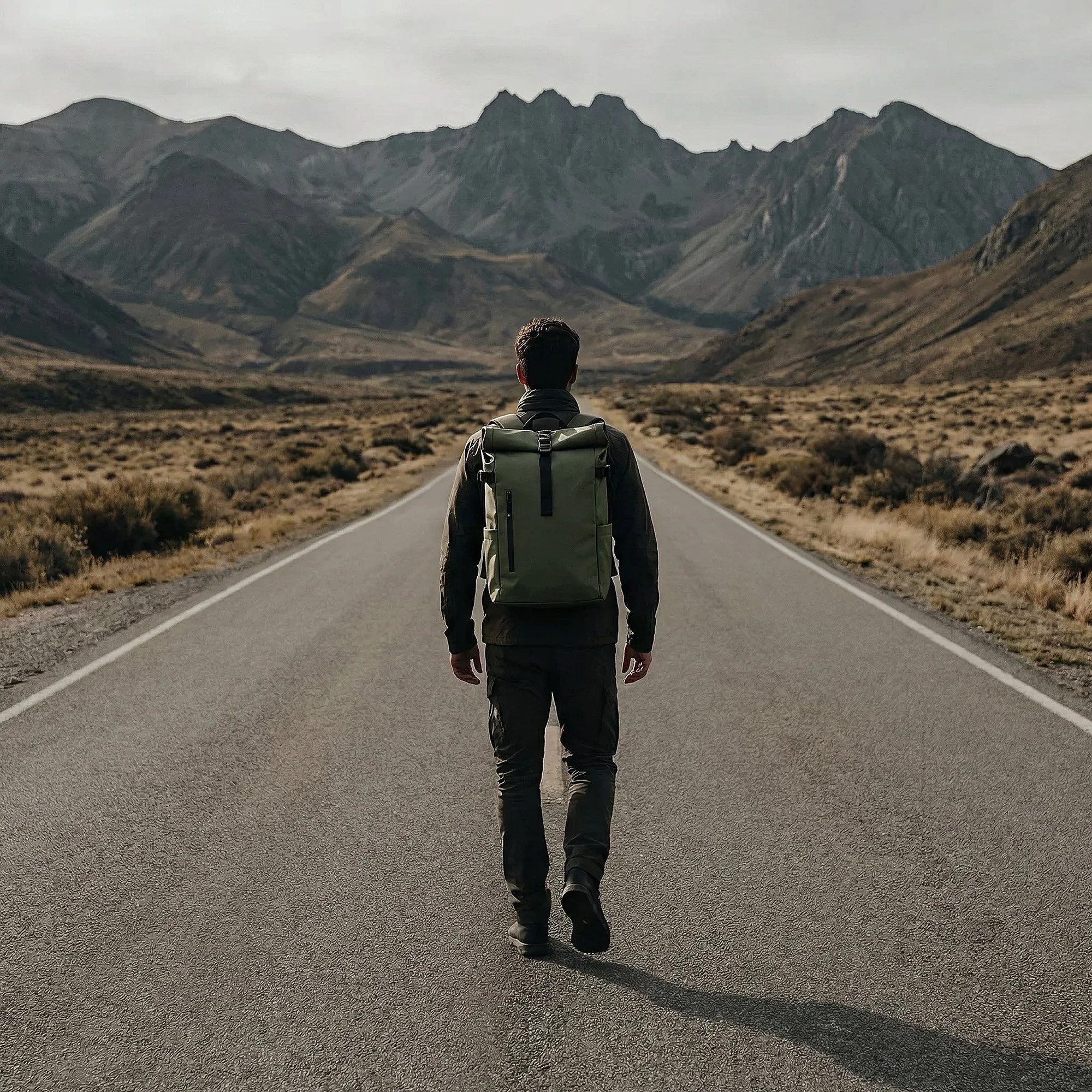
In this concept case study, photographer Hannah Webster shows how one studio photo of a tech rucksack can be placed into multiple global locations using AI. The article explores how brands can create travel, adventure and lifestyle campaigns without flights, permits or expensive shoots, while keeping the product realistic, consistent and premium.

Is AI Art Stealing? A Photographer’s Honest Take
Is AI art stealing from artists? In this article, photographer Hannah Webster shares an honest perspective on AI and creativity, exploring concerns around copyright, style imitation and originality. Drawing on 15 years of experience, she explains how AI can be used responsibly as a creative tool rather than a way to copy existing work.
Case Study: One Product, Endless Environments with AI
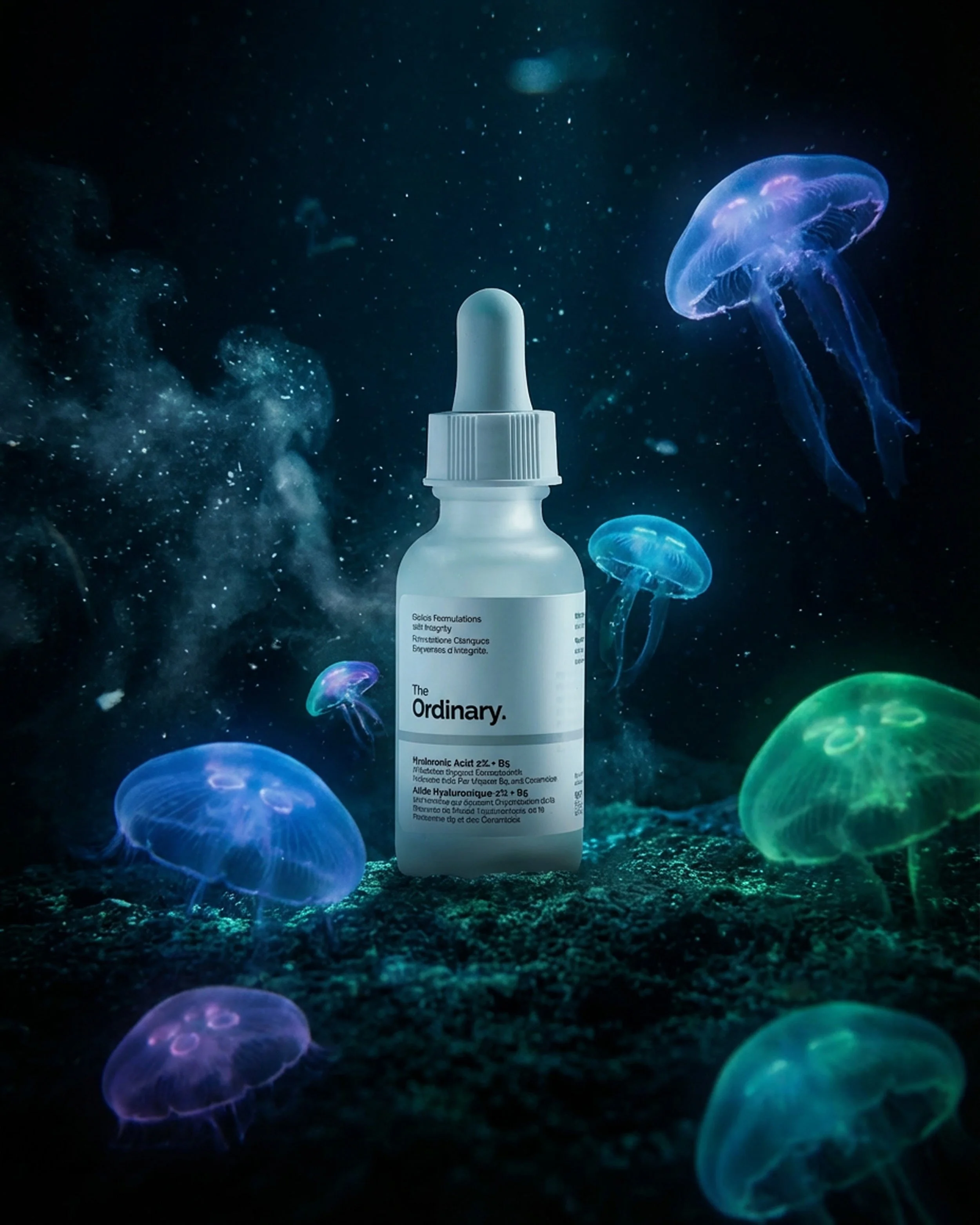
In this concept case study, photographer Hannah Webster shows how AI can place a single skincare product image into multiple environments while keeping the product perfectly consistent. The article explores how AI allows brands to create varied campaign visuals, test creative ideas, and generate lifestyle content from one base image without reshoots or high production costs.
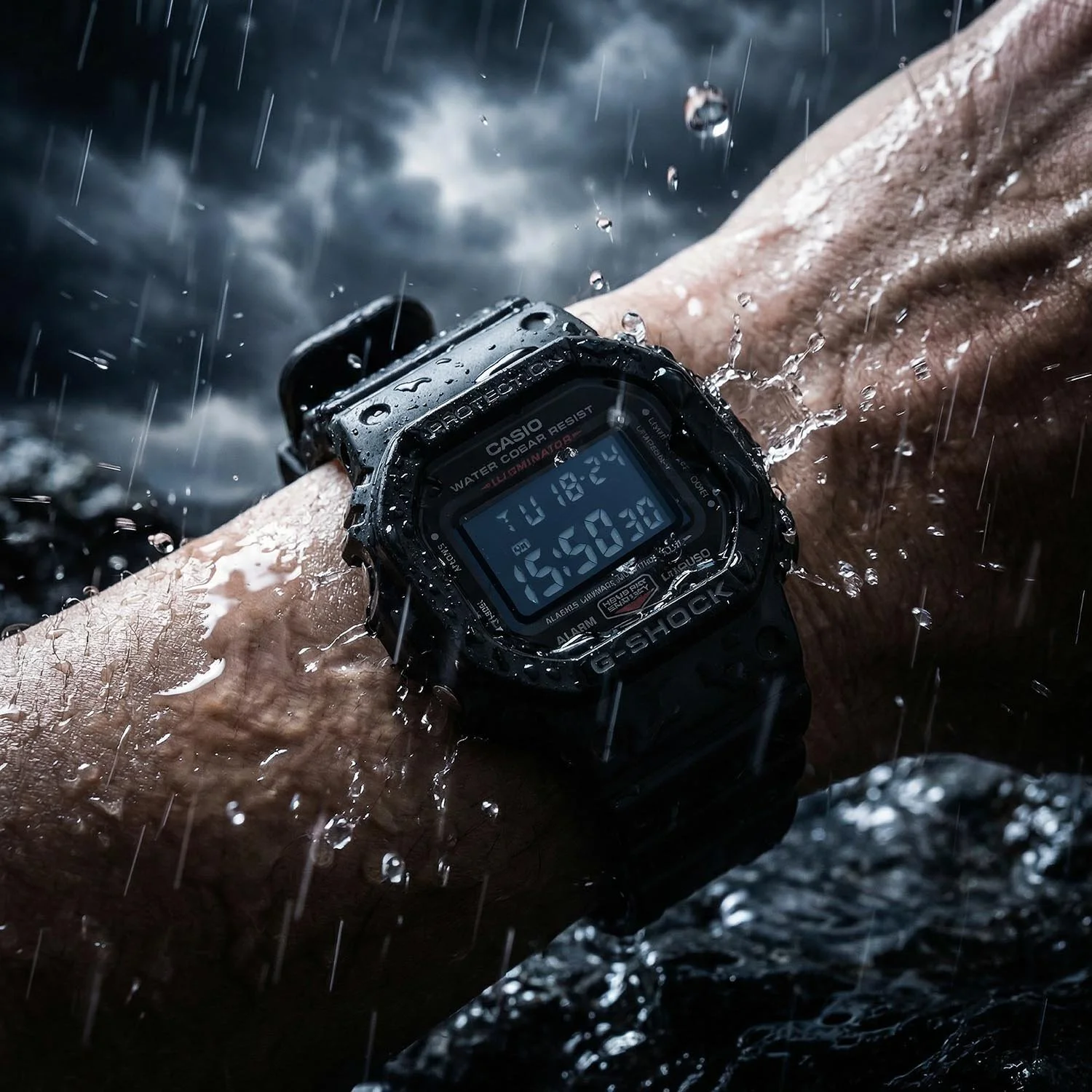
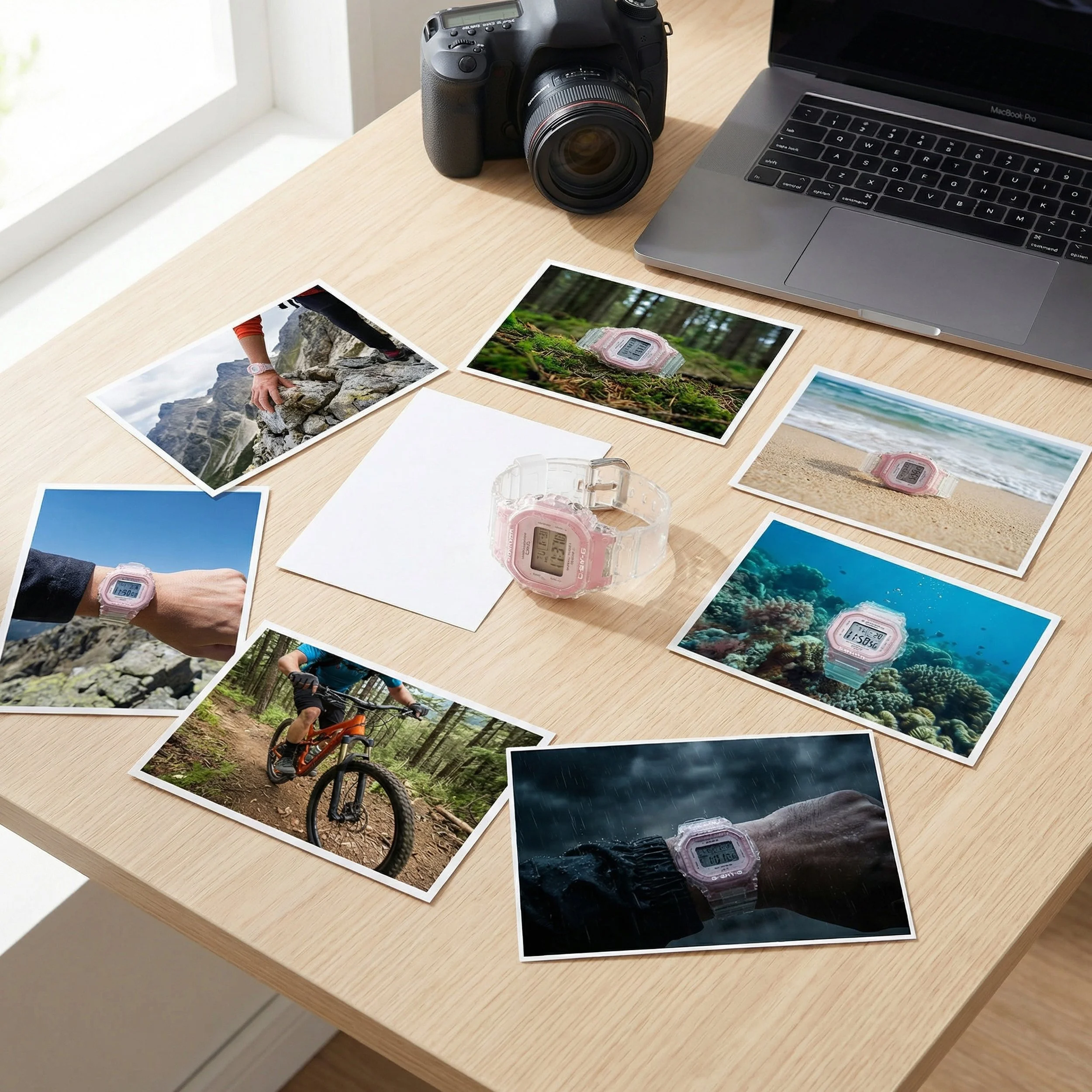
Case Study: Visualising an Adventure Watch Campaign with AI
In this concept case study, photographer Hannah Webster explores how AI can be used to visualise an adventure-style watch campaign across multiple extreme environments. The article shows how AI enables cinematic brand storytelling, creative prototyping, and large-scale visual ideas without the cost and logistics of traditional global photoshoots.
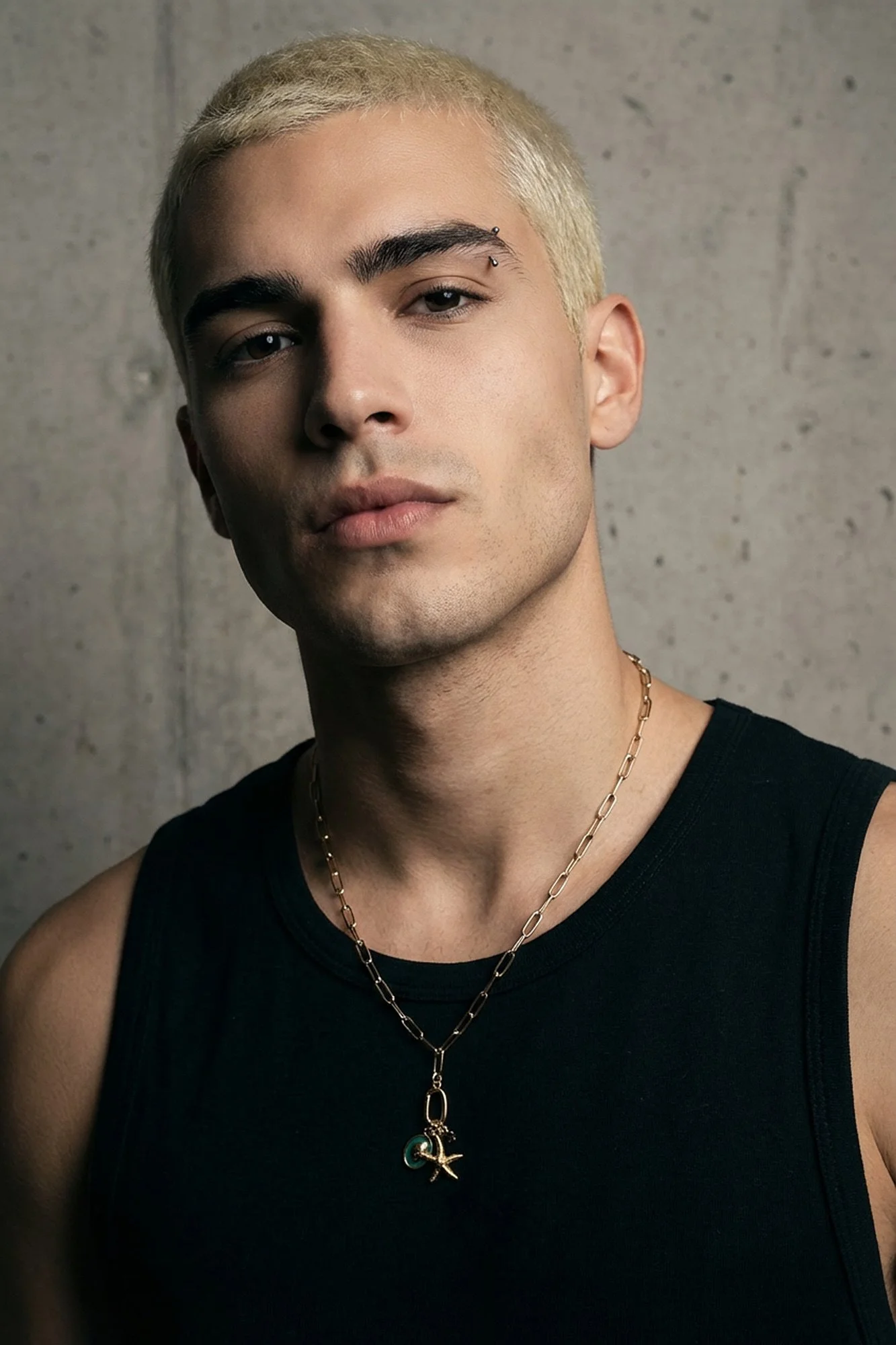
Case Study: Creating Gritty, Alternative Brand Imagery with AI
In this case study, photographer Hannah Webster explores how AI was used to create gritty, alternative brand imagery for a jewellery label, including character-led model portraits and lifestyle visuals. The article shows how AI can move beyond polished stock aesthetics to produce realistic, editorial-style photography for small brands.
The Ethics of AI Photography: A Studio Perspective
In this article, photographer Hannah Webster shares a practical, honest look at the ethics of AI photography, including copyright, consent, ownership and transparency. Drawing on 15 years of experience, she explores how AI can be used responsibly in commercial photography and why human skill still matters in the creative process.

Case Study: Creating Brand Imagery Without a Traditional Shoot
In this case study, photographer Hannah Webster shares how AI was used to create lifestyle brand imagery for a small home fragrance business without a traditional photoshoot. The article explores the creative process, from working with real product photos to building digital environments, and shows how AI can help small brands achieve professional visual identity on a realistic budget.